
Learn What H. pylori may be Doing Inside Your Digestive System
H. pylori is one of the most researched bacteria associated with digestive discomfort. For some people it contributes to symptoms such as bloating, gas, indigestion, and stomach irritation. For others, it may remain present for years before being identified.
If you’ve recently discovered you have H. pylori, or you’re exploring options after ongoing digestive concerns, understanding how the bacterium affects the gut is an important place to start.
Alongside conventional treatment approaches, there are also dietary, probiotic, and natural strategies that many people explore as part of their digestive health plan.
This content is provided for educational and informational purposes only. It is not intended as medical advice or a substitute for consultation with a qualified healthcare provider. Always seek the advice of your doctor or other qualified health professional with any questions you may have regarding a medical condition.
How H. pylori Can Disrupt Gut Harmony
Changes to the Gut Environment
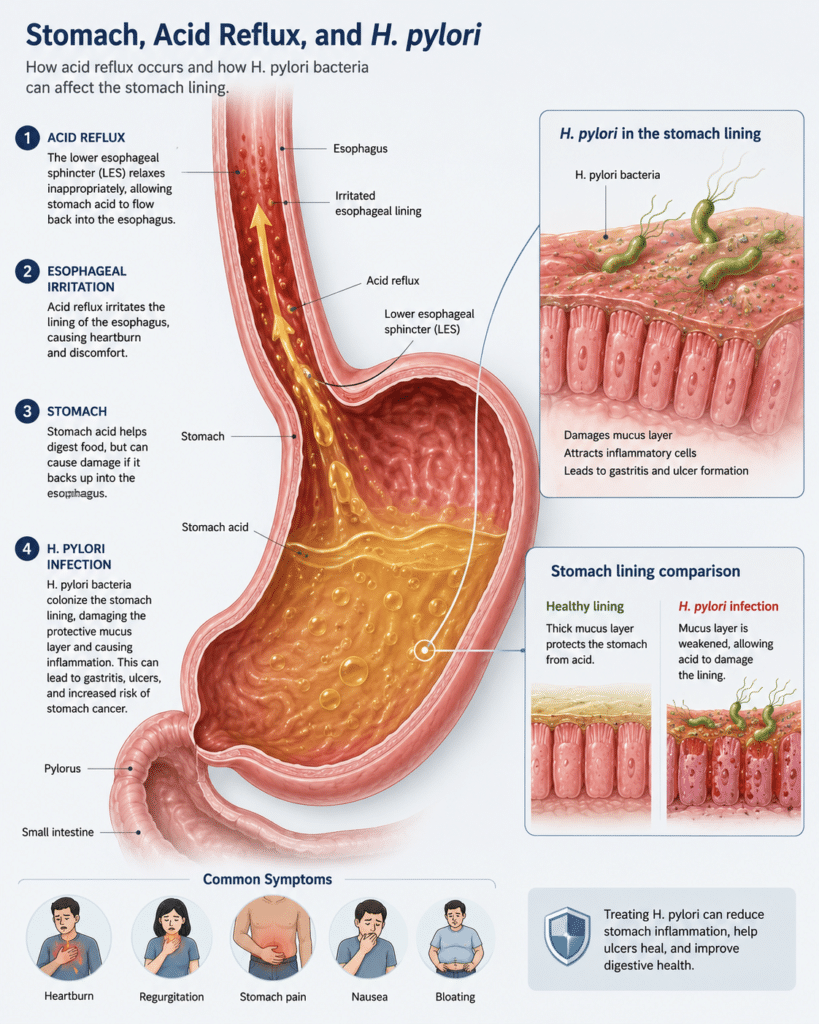
H. pylori primarily colonizes the stomach, but its effects can extend beyond that location.
One of the ways it influences digestive health is through changes in stomach acid production. Healthy stomach acid helps regulate digestion and creates conditions that support a balanced digestive environment. When those conditions change, other microorganisms may also be affected.
At the same time, H. pylori may contribute to ongoing stomach inflammation. Over time, this can influence digestive comfort and affect the wider microbial ecosystem.
These changes may help explain why some individuals experience symptoms such as:
- Bloating
- Gas
- Indigestion
- Irregular digestion
- Nutrient absorption concerns

Why Microbial Diversity Matters
A healthy digestive system relies on a diverse microbial community.
When beneficial organisms become less dominant, digestive resilience may decline. Researchers continue to explore how microbial diversity influences nutrient absorption, immune function, and overall digestive wellbeing.
Although H. pylori is only one factor among many, addressing its potential impact can be an important part of improving digestive health.
Conventional Treatment Approaches
The most common medical treatment for H. pylori remains antibiotic-based therapy.
Traditional triple therapy generally combines two antibiotics with a proton pump inhibitor (PPI). The goal is to reduce bacterial activity while lowering stomach acid levels during treatment.
While conventional therapy has helped many individuals, antibiotic resistance has become an increasing challenge worldwide. As resistance patterns change, treatment outcomes can vary significantly between patients and regions.
Some individuals also experience temporary side effects, including digestive upset, diarrhea, nausea, or taste disturbances.
For this reason, ongoing communication with a healthcare provider remains important throughout the treatment process.

The Role of Probiotics During Recovery
Although probiotics are not considered a standalone solution for H. pylori, they are frequently used during and after treatment.
Certain strains, including Lactobacillus and Bifidobacterium species, have been studied for their potential role in maintaining microbial diversity and supporting digestive comfort.
Many people use probiotics to help:
- Support microbial balance
- Encourage digestive resilience
- Maintain gut diversity following antibiotic use
Fermented foods such as yogurt, kefir, sauerkraut, and kimchi may also contribute beneficial bacteria to the digestive system.
Natural Strategies Many People Explore
People often investigate natural options alongside dietary improvements and probiotic use.
Mastic Gum
Mastic gum has been used traditionally for digestive health and has attracted interest because of its interaction with H. pylori in laboratory settings.
While some individuals report digestive benefits, it is generally viewed as part of a broader digestive wellness strategy rather than a complete approach on its own.
Garlic and Food-Based Approaches
Garlic contains compounds that have been studied for their antimicrobial properties. Combined with a diet rich in vegetables, fibre, and minimally processed foods, it may contribute positively to digestive health.
Dietary Habits That Support Recovery
Many individuals focus on:
- Increasing fibre intake
- Eating more whole foods
- Limiting highly processed foods
- Staying well hydrated
- Including fermented foods where appropriate
While these changes may not directly address H. pylori itself, they can help create a healthier digestive environment.

Exploring the 30-Day Matula Tea™ Program
Some individuals prefer a single, defined approach rather than combining multiple supplements and protocols.
The 30-day Matula Tea™ program was developed as a natural digestive wellness option for people exploring alternatives or complementary approaches.
The formula contains a blend of wild-harvested herbs and has been the subject of independent laboratory investigation. It has been used by customers around the world since 2006 and includes a money-back guarantee together with ongoing customer support.
For many people, the appeal lies in its simplicity: one focused routine rather than a collection of different products and changing recommendations.
This program is designed to support general digestive wellness and provide a structured approach. It is not intended as medical advice or a replacement for professional care. Statements on this website have not been evaluated by the Food and Drug Administration. This product is not intended to diagnose, treat, cure, or prevent any disease.
7 Questions To Ask Before Choosing Any H. pylori Program
Before choosing any H. pylori approach, it can be helpful to step back and evaluate your options carefully.
While many people successfully complete conventional treatment, others continue searching for answers after experiencing side effects, lingering symptoms, or the need for additional treatment rounds.
This short question-based guide may help you better understand the different approaches available and think more clearly before deciding on your next step.
References
Gut – Helicobacter pylori Antibiotic Resistance: A Global Challenge in Search of Solutions
https://gut.bmj.com/content/74/10/1561
Frontiers in Microbiology – Treatment of Refractory Helicobacter pylori Infection
https://www.frontiersin.org/journals/microbiology/articles/10.3389/fmicb.2022.998240/full
MDPI – Antibiotic Resistance and Therapy for Helicobacter pylori Infection
https://www.mdpi.com/2079-6382/12/12/1669
Mayo Clinic – Helicobacter pylori Infection
https://www.mayoclinic.org/diseases-conditions/h-pylori/symptoms-causes/syc-20356171