
Understanding Why More People Are Evaluating Their Next Step Carefully
For many years, triple therapy has been one of the most commonly prescribed approaches for managing H. pylori.
The standard treatment typically combines two antibiotics with a proton pump inhibitor (PPI), and for many individuals it may successfully help clear the infection. Healthcare professionals continue to play an essential role in diagnosis, testing, treatment planning, and monitoring progress.
At the same time, the conversation around H. pylori has become increasingly complex.
Some individuals experience side effects during treatment. Others require additional testing, alternative medications, or repeat treatment rounds. Still others find themselves wondering why digestive symptoms continue even after therapy has been completed.
These experiences help explain why more people are taking a broader look at their options before deciding what to do next.
Not because they want to reject conventional medicine, but because they want to make the most informed decision possible for their situation.

Why Triple Therapy Remains the Starting Point for Many People
Triple therapy remains one of the most widely used medical approaches for H. pylori worldwide.
Its long history, established treatment protocols, and inclusion in clinical guidelines make it a familiar starting point for both healthcare professionals and patients.
For many people, treatment is successful and no further intervention is required.
However, treatment outcomes are not always identical from one individual to another.
Factors such as antibiotic resistance patterns, previous treatment history, overall digestive health, and individual response can all influence the experience.
This variability is one reason many people continue researching after treatment rather than viewing the process as a simple one-step solution.
Why Antibiotic Resistance Has Changed the Discussion
One of the biggest challenges in modern H. pylori management is antibiotic resistance.
Researchers around the world continue monitoring resistance involving commonly prescribed antibiotics such as clarithromycin, metronidazole, and levofloxacin.
In some regions, resistance rates have increased significantly, making treatment decisions more complex than they were in previous decades.
This does not mean conventional therapies no longer work.
Far from it.
Many individuals still achieve successful outcomes through guideline-based treatment.
However, rising resistance has contributed to increasing discussions around:
- repeat treatment cycles
- alternative antibiotic combinations
- susceptibility testing
- broader digestive health strategies
- long-term digestive recovery
For many individuals, the conversation has expanded beyond simply clearing the infection.

When Treatment Success and Digestive Recovery Become Different Conversations
One of the most important distinctions people discover during their research is that eradication and recovery are not always experienced as the same thing.
Even after treatment is complete, some individuals continue discussing concerns such as:
- bloating
- reflux
- stomach irritation
- digestive discomfort
- food sensitivities
- changes in digestion
For some people, these symptoms improve steadily.
For others, the recovery process feels slower or more unpredictable.
This is one reason digestive health conversations increasingly include topics such as gut balance, dietary habits, microbiome awareness, and longer-term digestive wellness practices.
The goal becomes larger than simply addressing the infection itself.
People want to feel like their digestion is functioning normally again.
“Many people are not just looking for eradication. They’re looking for confidence that their digestion is moving in the right direction.”

The Side-Effect Experience Many People Talk About
Antibiotics remain an important part of H. pylori treatment and have helped many people successfully address the infection.
At the same time, treatment discussions frequently include side effects.
Some individuals report experiences such as:
- nausea
- bloating
- diarrhea
- altered digestion
- fatigue
- temporary stomach discomfort
Broad-spectrum antibiotics may also affect beneficial bacteria involved in digestive function and microbial balance.
While many people recover quickly, others find themselves paying closer attention to digestive wellness during and after treatment.
This is one reason discussions about probiotics, nutrition, digestive recovery, and natural support strategies have continued growing in recent years.
This content is provided for educational and informational purposes only. It is not intended as medical advice or a substitute for consultation with a qualified healthcare provider. Always seek the advice of your doctor or other qualified health professional with any questions you may have regarding a medical condition.
Why Some Individuals Explore Broader Digestive Approaches
People researching natural H. pylori support are often looking for more than simply another product.
Many are searching for:
- a clearer plan
- greater consistency
- digestive wellness support
- fewer moving parts
- less confusion
After navigating multiple opinions, protocols, and recommendations, a structured approach can feel easier to follow and maintain.
That is one reason programs such as the 30-day Matula Tea™ program continue attracting attention among people researching H. pylori-related digestive concerns.
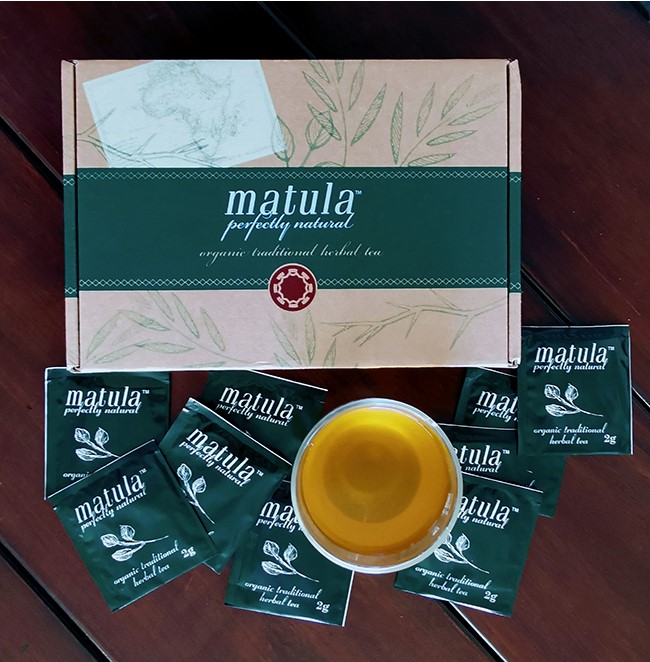
The 30-Day Matula Tea™ Program
The Matula Tea™ program was developed around a simple principle: consistency.
Rather than functioning as a collection of supplements or a constantly changing protocol, the program follows a clearly defined 30-day routine designed to support digestive wellness, stomach comfort, and long-term consistency.
The program includes:
- 30 individually packaged tea servings
- step-by-step guidance
- ongoing support
- educational resources
- a money-back guarantee
Since 2006, more than 55,000 individuals worldwide have explored the program while researching digestive concerns connected to H. pylori discussions.
Part of the early interest in Matula Tea™ came from independent laboratory testing conducted by Professor Patrick JD Bouic, Ph.D., co-founder of Synexa Life Sciences.
As with all laboratory research, findings should be interpreted carefully. Laboratory conditions do not directly replicate human physiology, and individual experiences naturally vary.
However, the testing helped distinguish Matula Tea™ from many general digestive products that have never been specifically evaluated in relation to H. pylori.
This program is designed to support general digestive wellness and provide a structured approach. It is not intended as medical advice or a replacement for professional care. Statements on this website have not been evaluated by the Food and Drug Administration. This product is not intended to diagnose, treat, cure, or prevent any disease.
Why Simplicity Often Matters More Than People Expect
One challenge many people encounter during digestive recovery is information overload.
A new supplement this week.
A different protocol next month.
Another recommendation from an online forum shortly afterwards.
Eventually, the process itself can become exhausting.
Many individuals find that a straightforward routine feels easier to maintain than constantly changing direction.
This is one reason structured digestive wellness programs continue appealing to people who want a clearer path forward.

7 Questions To Ask Before Choosing Any H. pylori Program
Before choosing any H. pylori approach, it can be helpful to step back and evaluate your options carefully.
While many people successfully complete conventional treatment, others continue searching for answers after experiencing side effects, lingering symptoms, or the need for additional treatment rounds.
This short question-based guide may help you better understand the different approaches available and think more clearly before deciding on your next step.
References
- World Gastroenterology Organisation — Helicobacter pylori Guidelines (Updated 2023)
- American College of Gastroenterology — Management of Helicobacter pylori Infection (2024 Guideline Discussion)
- StatPearls — Helicobacter Pylori Infection (Updated 2024)
- Frontiers in Microbiology — Treatment of Refractory Helicobacter pylori Infection (2022)
- MDPI Antibiotics — Antibiotic Resistance and Therapy for Helicobacter pylori Infection (2023)