
Understanding Your Options When Dealing with Stomach Ulcers
A stomach ulcer can be more than just an occasional digestive annoyance. For many people, ulcer-related discomfort affects daily routines, eating habits, sleep quality, and overall wellbeing.
While stomach ulcers can develop for several reasons, one of the most common contributing factors is H. pylori. This bacterium has been linked to chronic stomach inflammation and is frequently identified in individuals diagnosed with peptic ulcers.
If you’ve been researching ulcer treatment options, you have probably discovered that there is no single approach that suits everyone. Some people pursue conventional medical treatment, while others explore additional strategies aimed at supporting digestive health and long-term recovery.
Understanding the available options can help you make more informed decisions about your next steps.

What Causes Stomach Ulcers?
A stomach ulcer develops when the protective lining of the stomach becomes damaged, allowing stomach acid to irritate the underlying tissue.
Two of the most common causes are:
- H. pylori infection
- Frequent use of non-steroidal anti-inflammatory drugs (NSAIDs) such as aspirin or ibuprofen
Other contributing factors may include smoking, excessive alcohol consumption, chronic stress, and existing digestive conditions.
Common symptoms often include:
- Burning stomach pain
- Bloating
- Nausea
- Indigestion
- Early fullness after meals
- Reduced appetite
More serious ulcers may cause bleeding, which requires prompt medical attention.
Conventional Approaches to Ulcer Treatment
When a stomach ulcer is diagnosed, healthcare providers commonly recommend treatment based on the underlying cause.
Proton Pump Inhibitors (PPIs)
PPIs are frequently prescribed to reduce stomach acid production. Lower acid levels may allow the stomach lining to recover while reducing irritation.
Examples include:
- Omeprazole
- Esomeprazole
- Lansoprazole
Antibiotic Therapy
When H. pylori is present, treatment often includes antibiotics combined with acid-suppressing medication.
The goal is to address the bacterial infection while creating conditions that support healing.
Ongoing Monitoring
Depending on symptoms and medical history, healthcare providers may recommend follow-up testing or additional evaluation to confirm that the ulcer has improved.

Why Some People Continue Researching Their Options
For many people, treatment decisions are not always straightforward.
Some individuals continue researching after:
- Experiencing medication side effects
- Facing repeat treatment attempts
- Dealing with lingering digestive symptoms
- Feeling uncertain about which approach best fits their situation
Others simply want to better understand the full range of options available before making a decision.
This is one reason why interest in digestive wellness strategies and natural support programs continues to grow.
Natural Approaches That People Commonly Explore
Natural approaches generally focus on supporting digestive comfort, maintaining a healthy digestive environment, and encouraging long-term digestive wellness.
Dietary Adjustments
Many people begin by focusing on:
- Reducing highly processed foods
- Limiting alcohol consumption
- Avoiding foods that aggravate symptoms
- Increasing nutrient-dense whole foods
Digestive Support Herbs
Certain herbs have traditionally been used to support digestive comfort and stomach health.
Examples often researched include:
- Deglycyrrhizinated licorice (DGL)
- Cabbage-derived compounds
- Mastic gum
- Herbal tea formulations
Lifestyle Factors
Daily habits can also influence digestive health.
Many individuals focus on:
- Stress management
- Improved sleep quality
- Consistent meal patterns
- Adequate hydration
These strategies are often used alongside medical care rather than as direct replacements.

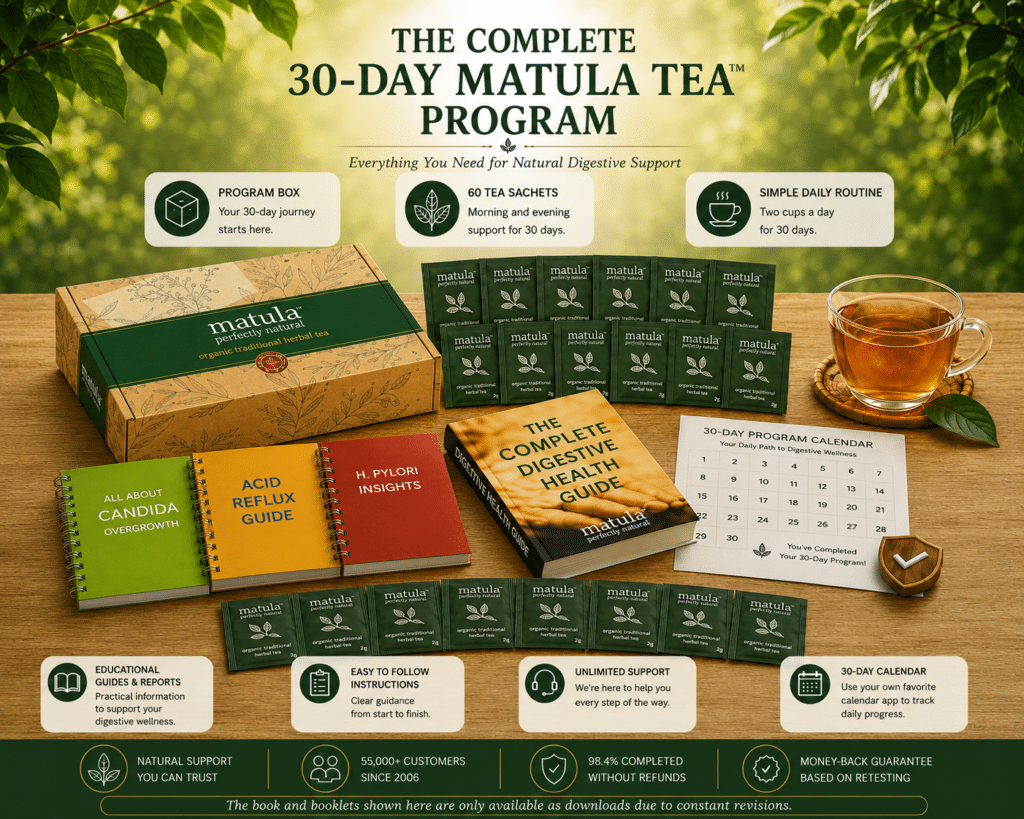
The 30-Day Matula Tea™ Program
Some individuals prefer a structured approach rather than assembling multiple supplements, dietary protocols, and lifestyle changes on their own.
The 30-day Matula Tea™ program was developed for people exploring natural digestive wellness support in relation to H. pylori concerns.
Key features include:
- 100% natural herbal formulation
- Structured 30-day routine
- Ongoing customer support
- Money-back guarantee
- Used by more than 55,000 customers worldwide since 2006
Independent laboratory investigation involving the formula has been conducted under the direction of Prof. Patrick Bouic, PhD.
Many people are drawn to the program because it provides a defined process that is straightforward to follow and supported throughout the experience.
This program is designed to support general digestive wellness and provide a structured approach. It is not intended as medical advice or a replacement for professional care. Statements on this website have not been evaluated by the Food and Drug Administration. This product is not intended to diagnose, treat, cure, or prevent any disease.
Comparing Different Approaches
Every individual approaches digestive health differently.
Some people prioritize:
- Medical diagnosis and treatment
- Natural wellness strategies
- Long-term digestive support
- Simplicity and convenience
- Ongoing guidance and support
Understanding the strengths and limitations of each option can help you evaluate which approach aligns best with your goals and circumstances.
Rather than searching for a single “best” solution, many people find value in understanding the available choices and making decisions based on their own needs.
Related Information
Ulcer Symptoms vs H. pylori Symptoms
https://matula-naturals.com/ulcer-symptoms-versus-h-pylori-symptoms/
H. pylori Testing Options
https://matula-naturals.com/h-pylori-testing-options/
Looking Beyond Triple Therapy
https://matula-naturals.com/looking-beyond-triple-therapy/
What 55,000 Customers Have Taught Us About H. pylori
https://matula-naturals.com/what-55000-customers-have-taught-us-about-h-pylori/
7 Questions To Ask Before Choosing Any H. pylori Program
Before choosing any H. pylori approach, it can be helpful to step back and evaluate your options carefully.
While many people successfully complete conventional treatment, others continue searching for answers after experiencing side effects, lingering symptoms, or the need for additional treatment rounds.
This short question-based guide may help you better understand the different approaches available and think more clearly before deciding on your next step.
This content is provided for educational and informational purposes only. It is not intended as medical advice or a substitute for consultation with a qualified healthcare provider. Always seek the advice of your doctor or other qualified health professional with any questions you may have regarding a medical condition.
References
Johns Hopkins Medicine – Peptic Ulcer Disease
https://www.hopkinsmedicine.org/health/conditions-and-diseases/peptic-ulcer-disease
MedlinePlus – Peptic Ulcer
https://medlineplus.gov/pepticulcer.html
Mayo Clinic – Peptic Ulcer
https://www.mayoclinic.org/diseases-conditions/peptic-ulcer/symptoms-causes/syc-20354223
Merck Manual Consumer Version – Peptic Ulcer Disease
https://www.merckmanuals.com/home/digestive-disorders/gastritis-and-peptic-ulcer-disease/peptic-ulcer-disease
National Institute of Diabetes and Digestive and Kidney Diseases (NIDDK) – Peptic Ulcers (Stomach Ulcers)
https://www.niddk.nih.gov/health-information/digestive-diseases/peptic-ulcers-stomach-ulcers