
How H. pylori May Affect Vitamin B12 Levels
Vitamin B12 plays an essential role in energy production, nervous system function, red blood cell formation, and cognitive health.
Because the body cannot produce B12 on its own, absorption becomes critically important. When levels begin falling, symptoms may gradually appear in the form of fatigue, weakness, numbness, poor concentration, low mood, or memory problems.
One often-overlooked reason for low B12 involves digestion itself — particularly problems affecting the stomach lining.
Researchers have spent years studying how H. pylori infection may interfere with the body’s ability to properly absorb vitamin B12.
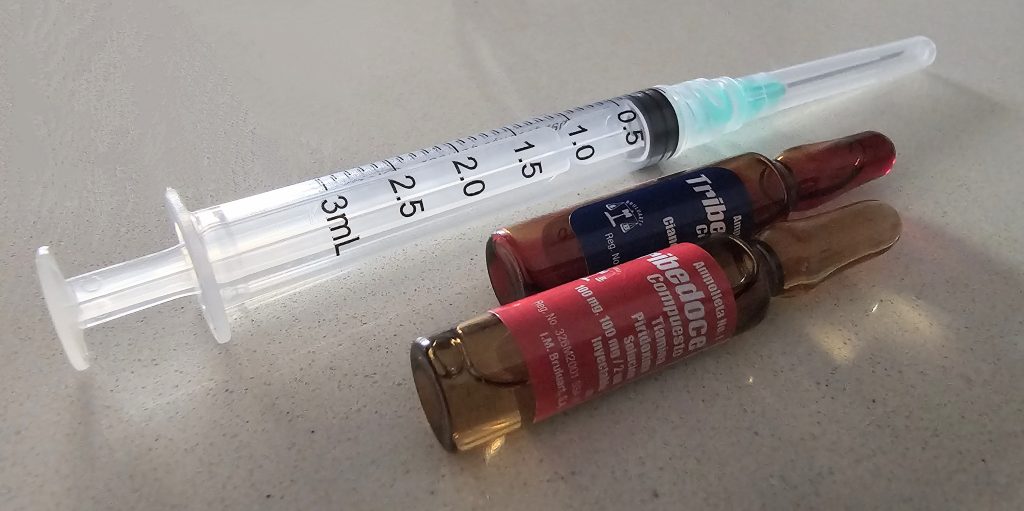
Why B12 Absorption Depends on Stomach Health
Absorbing B12 is more complicated than many people realize.
The process depends heavily on healthy stomach acid production and a protein called intrinsic factor, which is produced by specialized cells inside the stomach lining. Intrinsic factor acts almost like a transport mechanism, helping the body absorb B12 further down the digestive tract.
H. pylori may interfere with this process in several ways.
The bacteria can contribute to chronic stomach inflammation, irritation of the stomach lining, and reduced stomach acid production over time. Without sufficient stomach acid, the body may struggle to properly separate B12 from foods such as meat, eggs, fish, and dairy products.
Long-term inflammation may also affect the cells responsible for producing intrinsic factor itself, making absorption even more difficult in some individuals.
This is one reason researchers continue exploring possible links between H. pylori infection and vitamin B12 deficiency.
This content is provided for educational and informational purposes only. It is not intended as medical advice or a substitute for consultation with a qualified healthcare provider. Always seek the advice of your doctor or other qualified health professional with any questions you may have regarding a medical condition.
When Digestive Symptoms and Low B12 Overlap
Not everyone with H. pylori develops noticeable vitamin deficiencies.
At the same time, some individuals dealing with chronic digestive irritation eventually begin noticing symptoms that extend beyond digestion alone.
Bloating, reflux, nausea, upper stomach discomfort, burping, or indigestion may appear alongside:
- ongoing fatigue
- brain fog
- tingling sensations
- low energy
- poor concentration
Because these symptoms can overlap with many other conditions, low B12 levels sometimes go unrecognized for long periods.
For some individuals, investigating underlying digestive issues becomes an important part of understanding why B12 levels remain difficult to maintain.

What May Happen After H. pylori Improves
When stomach irritation begins settling down, the digestive environment may gradually improve as well.
Researchers continue exploring how reducing chronic inflammation may help normalize stomach acid production and improve intrinsic factor function in certain individuals over time. As digestion stabilizes, some people may notice improvements involving nutrient absorption, meal tolerance, and digestive comfort.
However, B12 levels do not always rebound immediately.
If deficiency has existed for an extended period, rebuilding normal levels may still require targeted nutritional support through diet, supplements, or injections depending on individual circumstances.
Conventional H. pylori Treatment Approaches
Standard H. pylori treatment commonly involves antibiotics, proton pump inhibitors (PPIs), and sometimes bismuth compounds.
For many individuals, these therapies may still successfully eliminate the infection, and healthcare professionals continue playing an important role in diagnosis, testing, treatment planning, and follow-up monitoring.

At the same time, treatment discussions have become more complicated in recent years because antibiotic resistance continues increasing globally. Some individuals also report side effects during treatment involving bloating, nausea, diarrhea, altered digestion, or temporary disruption of normal gut bacteria.
This is one reason some people begin researching additional digestive approaches alongside conventional care discussions.
The 30-Day Matula Tea™ Program
The 30-day Matula Tea™ program was developed specifically around H. pylori-related digestive concerns.
Rather than functioning as a general detox or broad digestive cleanse, the focus centers more directly on digestive irritation associated with H. pylori discussions, reflux, bloating, upper stomach discomfort, and broader stomach health concerns.
The herbal blend contains wild-grown South African herbs traditionally associated with digestive health. The program became widely discussed after independent laboratory testing explored antibacterial activity involving the herbal blend and H. pylori under controlled in vitro conditions.
Importantly, laboratory findings should always be interpreted carefully. In vitro testing does not automatically guarantee identical outcomes in humans.
Still, the testing helped distinguish the program from many broader digestive products that were never specifically evaluated in relation to H. pylori.
Some individuals exploring the program are often looking for a more structured digestive approach alongside broader dietary and nutritional efforts.
This program is designed to support general digestive wellness and provide a structured approach. It is not intended as medical advice or a replacement for professional care. Statements on this website have not been evaluated by the Food and Drug Administration. This product is not intended to diagnose, treat, cure, or prevent any disease.
Rebuilding Vitamin B12 Levels After Treatment
Even after digestive symptoms improve, restoring B12 levels may still take time.
Some individuals focus more intentionally on B12-rich foods such as:
- fish
- eggs
- meat
- dairy products
- fortified foods
Others may require oral supplementation or B12 injections depending on the severity of deficiency and how well absorption recovers.
Because injections bypass digestion entirely, they are sometimes discussed in cases where stomach absorption remains impaired for longer periods.
Persistent fatigue, tingling sensations, poor concentration, weakness, or low mood after H. pylori treatment may justify additional medical evaluation and blood testing.
A More Practical Perspective
Vitamin B12 deficiency is not always caused by poor diet alone.
In some individuals, underlying stomach irritation and long-term digestive dysfunction may play a meaningful role in impaired absorption.
This is one reason persistent digestive symptoms deserve proper attention rather than being normalized indefinitely.
Addressing H. pylori-related stomach irritation early may help improve long-term digestive conditions that influence nutrient absorption, energy levels, and overall digestive function over time.
Learn More Before You Decide
If you are currently researching H. pylori-related digestive concerns and trying to better understand the different approaches available, these questions may help you think more clearly before deciding on your next step.
While many people successfully clear H. pylori with conventional treatment, others report challenging side effects, lingering digestive symptoms, or the need for additional treatment rounds. Experiences like these help explain why some individuals continue researching broader digestive health strategies even after completing therapy.
Before making your next decision, we recommend taking a few minutes to step back and evaluate all of your options carefully.
Many people find that gaining clarity around these questions helps them move forward with greater confidence and less uncertainty.
FAQ’s
H. pylori may contribute to stomach inflammation, reduced stomach acid production, and impaired intrinsic factor function, all of which can interfere with B12 absorption.
Some individuals report fatigue, weakness, numbness, tingling sensations, brain fog, low mood, or poor concentration.
Researchers continue studying how chronic stomach inflammation associated with H. pylori may contribute to reduced stomach acid production in some individuals.
If deficiency has existed for a long time, the body may require additional time, dietary changes, supplements, or injections to rebuild normal B12 stores.
Yes. Independent in vitro testing explored antibacterial activity involving the herbal blend and H. pylori under controlled laboratory conditions.
Some people research broader digestive strategies involving nutrition, dietary consistency, and the structured 30-day Matula Tea™ program while addressing H. pylori-related digestive concerns.
Key Takeaways
- Restoring healthy vitamin B12 levels after long-term digestive irritation may require ongoing nutritional support through diet, supplementation, or injections depending on individual absorption recovery.
- Vitamin B12 absorption depends heavily on healthy stomach acid production and intrinsic factor, both of which may be disrupted by long-term H. pylori-related stomach inflammation.
- Some individuals with H. pylori experience symptoms beyond digestion alone, including fatigue, brain fog, weakness, tingling sensations, and low energy linked to impaired nutrient absorption.
- Conventional H. pylori treatment commonly involves antibiotics and acid-reducing medications, although some individuals also explore broader digestive approaches alongside conventional care discussions.
- The 30-day Matula Tea™ program was developed specifically around H. pylori-related digestive concerns and became widely discussed following independent in vitro laboratory testing involving the herbal blend and H. pylori.
Related Information
Discussions involving H. pylori and vitamin B12 often overlap with broader conversations involving stomach acid production, nutrient absorption, fatigue, digestive irritation, reflux, gastritis, and long-term digestive health patterns.
References
- Cleveland Clinic — Vitamin B12 Deficiency: Symptoms, Causes & Treatment (Updated 2025)
https://my.clevelandclinic.org/health/diseases/22831-vitamin-b12-deficiency - Frontiers in Microbiology — Treatment of Refractory Helicobacter pylori Infection (Published 2022)
https://www.frontiersin.org/articles/10.3389/fmicb.2022.998240/full - Johns Hopkins Medicine — Helicobacter pylori (Updated 2024)
https://www.hopkinsmedicine.org/health/conditions-and-diseases/helicobacter-pylori - StatPearls — Vitamin B12 Deficiency (Updated 2024)
https://www.ncbi.nlm.nih.gov/books/NBK441923/ - PubMed Central — Helicobacter pylori Is Associated With Vitamin B12 Deficiency and Pernicious Anemia (Published 2021)
https://pmc.ncbi.nlm.nih.gov/articles/PMC3794208/