
How H. pylori Gas and Gut Dysbiosis May Be Connected
The connection between H. pylori and gut dysbiosis has gained increasing attention in digestive health discussions. While H. pylori is commonly linked with stomach irritation and ulcers, its effects may reach further into the digestive system.
Since 2006, we’ve often seen that people dealing with ongoing bloating, digestive discomfort, reflux, or unexplained stomach symptoms frequently ask the same question. Could there be a bigger picture beyond the stomach itself?
The answer is often more complex than many expect.
Understanding how H. pylori may influence microbial balance can help explain why some individuals continue to experience symptoms and seek additional digestive support.

Understanding H. pylori and Gut Dysbiosis
The gut contains trillions of microorganisms that help support digestion, nutrient absorption, immune activity, and overall gut balance.
When these microorganisms exist in healthy proportions, the digestive system tends to function more efficiently. Gut dysbiosis develops when this balance becomes disrupted.
H. pylori primarily colonizes the stomach lining, yet changes in the stomach environment can create ripple effects throughout the digestive tract.
One thing we’ve noticed over the years is that digestive symptoms rarely exist in isolation. A shift in one area often influences another.
Changes in stomach function may contribute to reduced microbial diversity, digestive discomfort, bloating, gas, and altered bowel patterns.
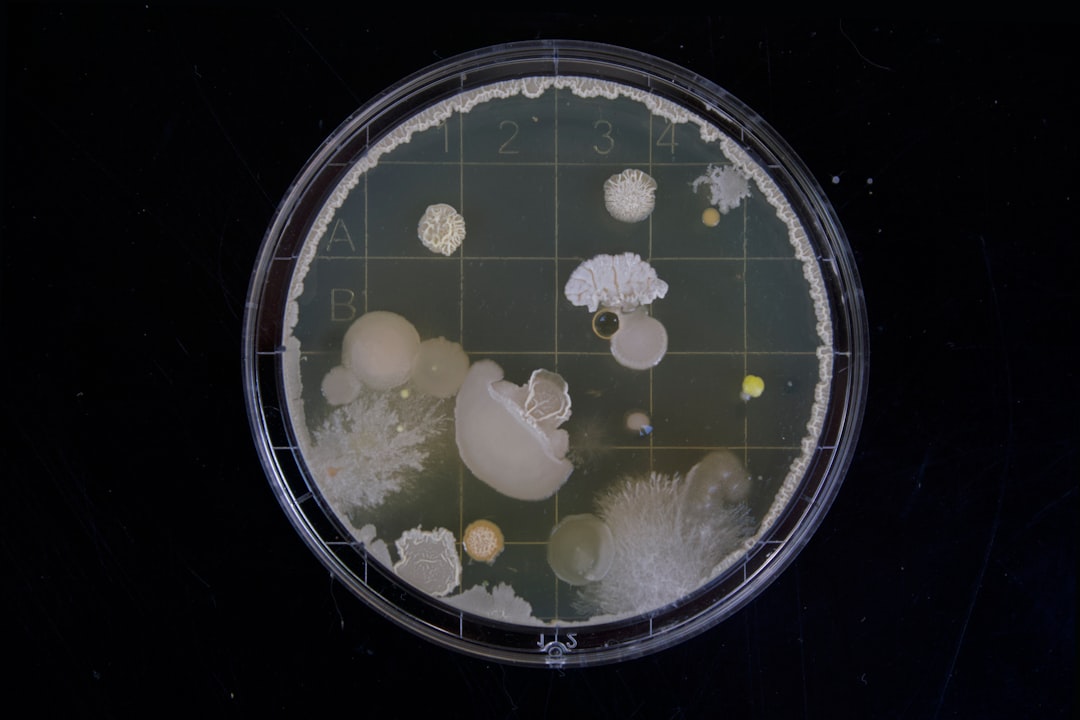
Effects of H. pylori on Gut Health
Although H. pylori mainly affects the stomach, its influence may extend beyond that area.
One of the main mechanisms involves stomach acid regulation. H. pylori can alter gastric acid production, increasing it in some individuals and decreasing it in others.
This is where things become interesting.
Changes in stomach acidity may affect:
• Digestion of food
• Nutrient absorption
• Survival of beneficial microbes
• Growth of less desirable bacteria
Too much acid can irritate stomach tissues and contribute to reflux symptoms. Too little acid may reduce digestive efficiency and allow bacteria to thrive in areas where they normally would not.
Over time, this shift may contribute to gut imbalance.
Inflammation and the Gut Lining
H. pylori is also associated with chronic inflammation within the stomach lining.
Persistent inflammation may weaken the protective barrier of the digestive tract and contribute to stomach irritation. Some researchers continue exploring whether this process influences intestinal permeability and broader digestive function.
Many individuals report symptoms such as:
• Bloating
• Gas
• Digestive discomfort
• Changes in bowel habits
• Fatigue
Not everyone experiences the same pattern. Still, inflammation may become one part of a larger digestive picture.
Competition for Microbial Resources
Microorganisms constantly compete for nutrients and space.
When H. pylori establishes itself within the stomach environment, it may affect surrounding microbial communities and contribute to changes in diversity.
Microbial diversity matters because different organisms carry out different tasks. Some support digestion. Others help regulate immune function or assist with nutrient metabolism.
Reduced diversity may weaken resilience within the digestive system and create conditions that allow imbalances to persist.
This content is provided for educational and informational purposes only. It is not intended as medical advice or a substitute for consultation with a qualified healthcare provider. Always seek the advice of your doctor or other qualified health professional with any questions you may have regarding a medical condition.
Effective Treatments for H. pylori and Dysbiosis
Conventional Treatment Approaches
Antibiotics remain one of the most commonly prescribed treatment approaches for H. pylori, often alongside acid-reducing medications such as proton pump inhibitors.
Triple therapy and quad therapy continue to help many individuals.
That said, treatment outcomes can vary. Antibiotic resistance has become an increasing consideration, and some people report digestive discomfort during or after treatment.
Healthcare professionals play an important role in diagnosis and determining suitable management options.
Natural Remedies and Probiotic Support
Many individuals also explore natural H. pylori support alongside broader digestive wellness strategies.
Since 2006, we’ve repeatedly seen people searching for approaches that support both H. pylori management and microbial balance at the same time.
Natural options commonly discussed include:
• Probiotics containing Lactobacillus and Bifidobacterium strains
• Mastic gum
• Structured digestive support programs such as Matula Tea
Probiotics may help support microbial diversity and gut balance, particularly after disruptions in digestive function. They are not generally considered a direct method for eliminating H. pylori, though many individuals use them as supportive tools.
The 30-day Matula Tea Program was designed as a structured digestive wellness system rather than simply a tea product. It includes ongoing support, daily guidance, and a money-back guarantee.
Why Dietary Changes Matter
Diet alone should not be viewed as a direct method for clearing H. pylori. Still, many people find nutritional changes helpful while working toward improved digestive wellness.
Helpful dietary strategies may include:
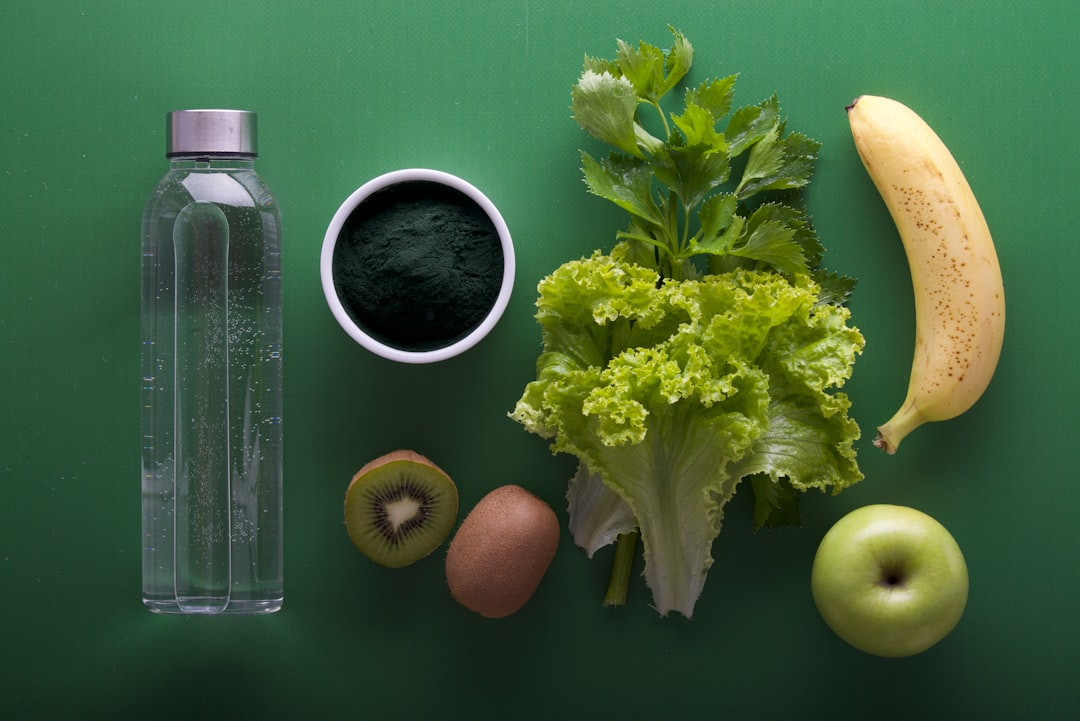
• Increasing prebiotic-rich foods such as onions, garlic, and bananas
• Including fermented foods where tolerated
• Reducing highly processed foods and excess sugar
• Focusing on nutrient-dense foods that support stomach health
These adjustments may help support beneficial microbes and encourage a healthier digestive environment.
7 Questions To Ask Before Choosing Any H. pylori Program
Before choosing any H. pylori approach, it can be helpful to step back and evaluate your options carefully.
While many people successfully complete conventional treatment, others continue searching for answers after experiencing side effects, lingering symptoms, or the need for additional treatment rounds.
This short question-based guide may help you better understand the different approaches available and think more clearly before deciding on your next step.
FAQ’s
Yes. H. pylori may alter stomach conditions, which can influence microbial balance throughout the digestive system.
Common symptoms may include bloating, gas, digestive discomfort, diarrhea, fatigue, and changes in bowel patterns.
Probiotics may help support gut balance and digestive wellness, although they are not typically considered a direct approach for eliminating H. pylori.
No. Some individuals may carry H. pylori for years without noticeable symptoms.
Dietary changes may help support microbial diversity and overall digestive health when used alongside broader treatment strategies.
Key Takeaways
- H. pylori is linked to gut dysbiosis, affecting microbial balance and causing digestive discomfort.
- It alters stomach acidity, impacting digestion and nutrient absorption, which can promote harmful bacteria.
- Chronic inflammation due to H. pylori may weaken the gut lining, leading to systemic inflammation and ‘leaky gut’.
- Conventional treatments like antibiotics may cause resistance, while natural remedies and probiotics support gut health.
- Dietary changes, such as adding prebiotics and reducing processed foods, help restore microbial balance and enhance digestive wellness.
Related Information
Digestive symptoms often involve more than one factor. H. pylori activity, microbial balance, stomach irritation, and digestive function may overlap in ways that are not always obvious at first.
Looking Deeper Into H. pylori Support
Many people begin by focusing on symptoms like gas or bloating. Then they realize the conversation often becomes much broader. Understanding how H. pylori may interact with digestive balance can help create a clearer path forward.
If you would like to learn more about structured digestive support, explore:
This program is designed to support general digestive wellness and provide a structured approach. It is not intended as medical advice or a replacement for professional care. Statements on this website have not been evaluated by the Food and Drug Administration. This product is not intended to diagnose, treat, cure, or prevent any disease.
References
- World Gastroenterology Organisation Helicobacter pylori Guidelines
Guideline edition: 2023 - National Institute of Diabetes and Digestive and Kidney Diseases: Helicobacter pylori and Peptic Ulcers
Last reviewed: November 2023 - Mayo Clinic: Helicobacter pylori Infection
Updated: December 16, 2025 - Antibiotic Resistance in Helicobacter pylori: From Potential Biomolecular Mechanisms to Clinical Practice
Published: April 2023 - Optimizing Helicobacter pylori Treatment: Updated Review of Empirical and Susceptibility-Based Treatments
Published: February 2023