Taking Control of Gastritis and Gastric Ulcers
Stomach problems like gastritis and gastric ulcers can slowly wear people down.
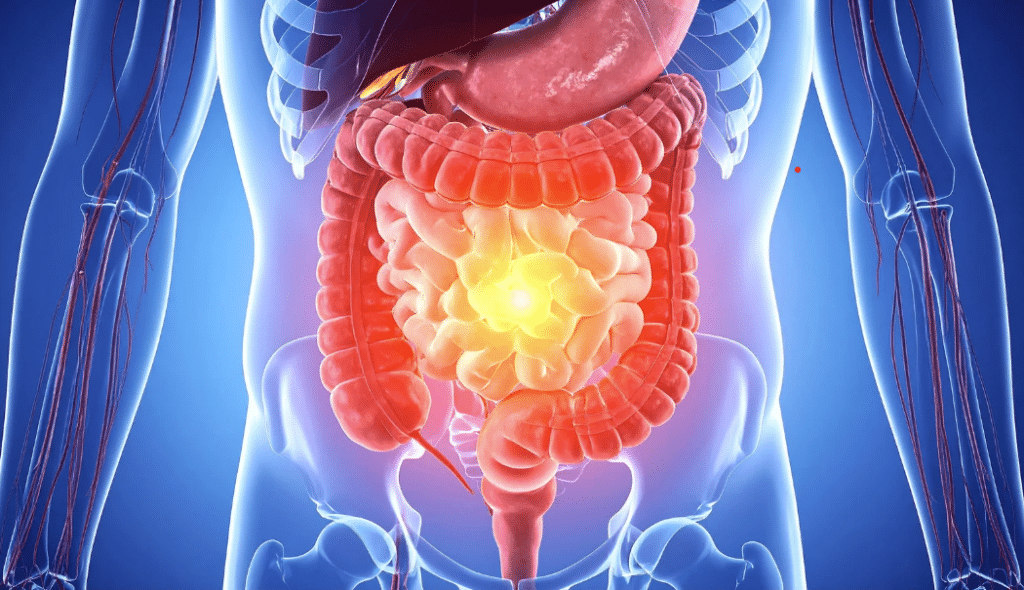
For some individuals, symptoms come and go. For others, the discomfort gradually becomes part of daily life — burning stomach pain after meals, reflux that keeps returning, bloating, nausea, or a constant feeling of irritation in the upper abdomen.
Left unmanaged, these conditions may become more serious over time. That is why understanding what contributes to gastritis and gastric ulcers — and recognizing symptoms early — matters more than many people realize.
While conventional treatments such as antibiotics and proton pump inhibitors (PPIs) remain widely used for H. pylori-related ulcers, many individuals also begin exploring dietary changes and natural digestive approaches alongside conventional care discussions.
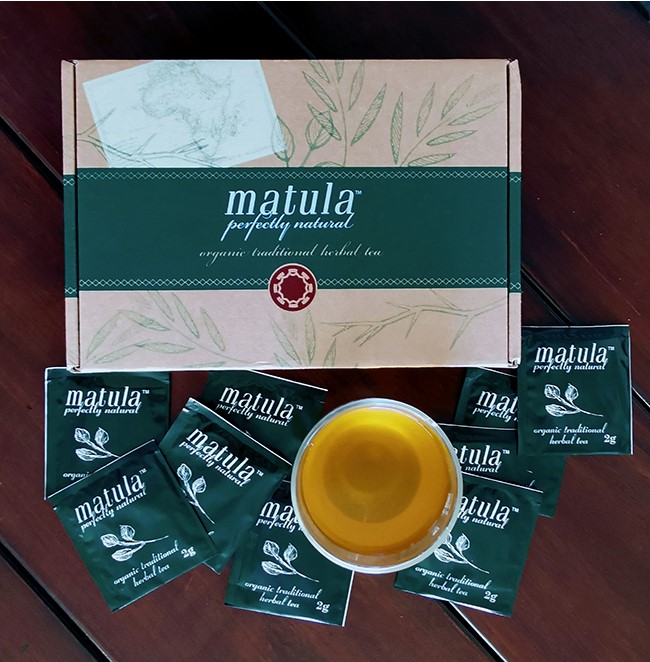
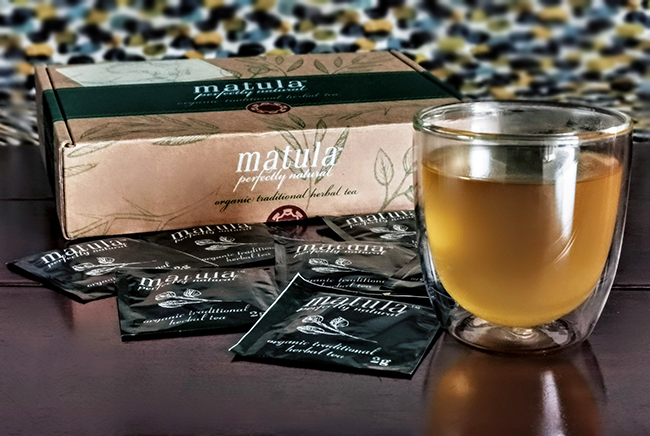
One option that continues attracting attention is the 30-day Matula Tea™ program, particularly among people researching H. pylori and recurring stomach discomfort.
What Causes Gastritis and Gastric Ulcers?
Gastritis refers to inflammation of the stomach lining, while gastric ulcers are open sores that develop when the stomach’s protective barrier becomes damaged.
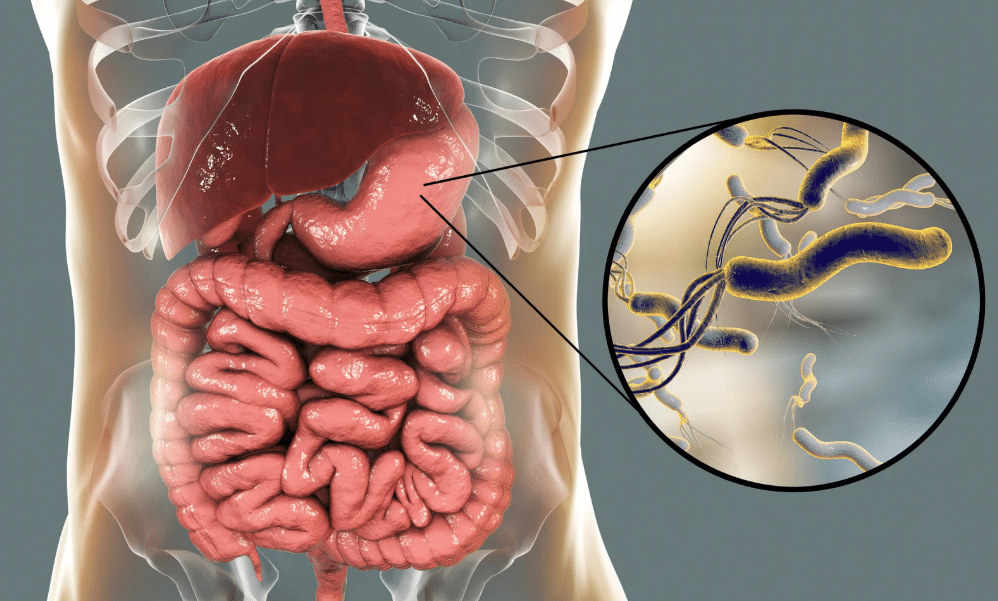
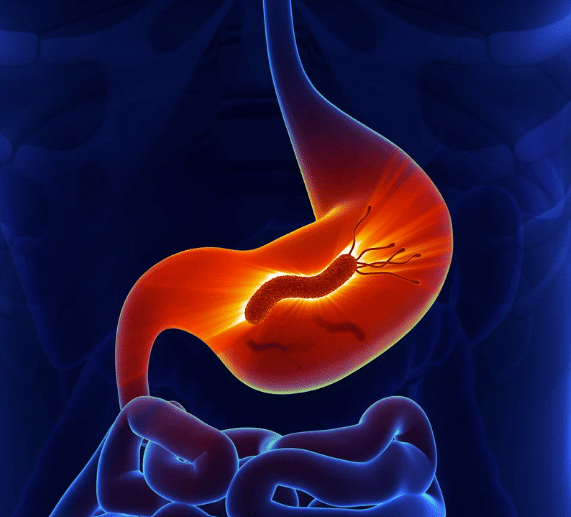
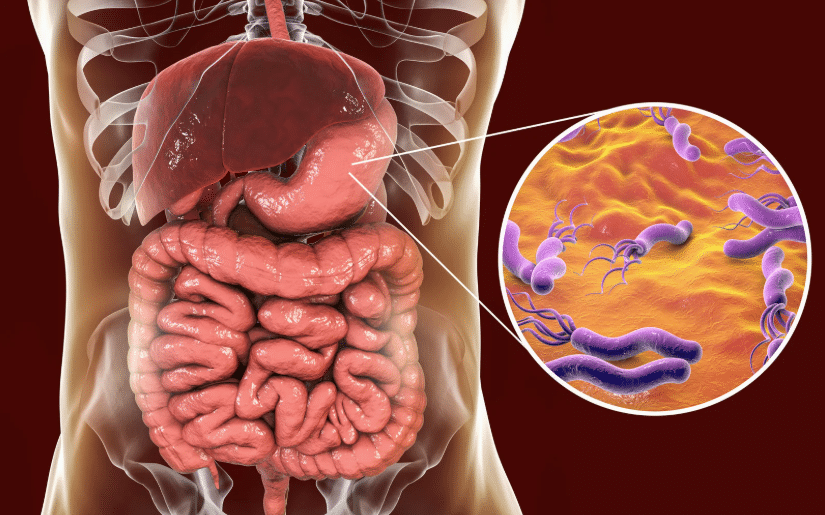
One of the most common contributing factors is H. pylori — a bacteria capable of weakening the stomach lining over time. Once that protective layer becomes compromised, stomach acid may begin irritating the tissue underneath.
Long-term use of NSAID medications such as ibuprofen, aspirin, and naproxen may also gradually damage the stomach lining in some individuals.
Other commonly discussed contributors include excessive alcohol use, smoking, chronic stress, heavy caffeine intake, spicy foods, and certain autoimmune conditions.
Understanding these triggers may help individuals make more informed choices about reducing ongoing stomach irritation and protecting long-term digestive health.
This content is provided for educational and informational purposes only. It is not intended as medical advice or a substitute for consultation with a qualified healthcare provider. Always seek the advice of your doctor or other qualified health professional with any questions you may have regarding a medical condition.
Recognizing Symptoms Early
Symptoms vary significantly from person to person.
Some individuals experience only mild irritation, while others deal with persistent discomfort that slowly interferes with eating habits, sleep, energy levels, or day-to-day routines.
Common symptoms associated with gastritis and gastric ulcers may include:
- burning stomach pain
- reflux
- nausea
- bloating
- upper abdominal discomfort
- indigestion
- pain that worsens on an empty stomach
Some people experience surprisingly few symptoms at all, which is one reason chronic stomach irritation may go unnoticed for long periods.
Persistent digestive symptoms deserve proper medical evaluation, especially when they continue returning or gradually worsen over time.
Why Early Intervention Matters
When gastritis or ulcers remain untreated, complications may eventually develop.
More serious problems can include internal bleeding, worsening inflammation, stomach wall perforation, or gastric obstruction. Symptoms such as black tarry stools, vomiting blood, or severe abdominal pain require immediate medical attention.
Researchers have also explored possible links between chronic gastritis, vitamin B12 absorption problems, and increased stomach cancer risk in certain long-term cases involving H. pylori.
Addressing symptoms earlier may help reduce the likelihood of ongoing stomach damage and repeated digestive flare-ups.
Conventional Treatment for H. pylori-Related Ulcers
Standard H. pylori treatment commonly involves antibiotics, proton pump inhibitors (PPIs), and sometimes bismuth compounds.
The goal is usually to reduce stomach acid, eliminate H. pylori, and allow the stomach lining time to recover.
For many individuals, these therapies may still work successfully. At the same time, growing antibiotic resistance has complicated some treatment discussions, particularly involving antibiotics such as clarithromycin, metronidazole, and levofloxacin.
Some individuals also report side effects during treatment, including bloating, nausea, diarrhea, altered digestion, or ongoing stomach discomfort.
This is one reason some people begin researching broader digestive approaches alongside conventional care discussions.
Still, the research helped distinguish the program from many broader digestive supplements that were never specifically evaluated in relation to H. pylori.
The 30-Day Matula Tea™ Program
The 30-day Matula Tea™ program was developed specifically around H. pylori-related digestive concerns.
Unlike general detox products or broad digestive cleanses, the focus is much narrower and centers more directly on stomach irritation, reflux, gastritis, gastric ulcers, and upper digestive discomfort connected to H. pylori discussions.
The herbal blend contains wild-grown South African herbs traditionally associated with stomach and digestive health. The program became widely discussed after independent laboratory testing explored antibacterial activity involving the blend and H. pylori under controlled in vitro conditions.
Importantly, laboratory findings should always be interpreted carefully. In vitro testing does not automatically guarantee identical outcomes in every individual.
Still, the research helped distinguish the program from many broader digestive supplements that were never specifically evaluated in relation to H. pylori.
This program is designed to support general digestive wellness and provide a structured approach. It is not intended as medical advice or a replacement for professional care. Statements on this website have not been evaluated by the Food and Drug Administration. This product is not intended to diagnose, treat, cure, or prevent any disease.
Why Some Individuals Explore Natural Approaches
Some individuals researching gastritis and gastric ulcers begin looking for additional strategies beyond repeated acid suppression or multiple medication cycles.
Others simply prefer combining dietary improvements, stress reduction, and more digestion-friendly habits alongside conventional care discussions.
People exploring the 30-day Matula Tea™ program are often looking for ways to calm ongoing stomach irritation, reduce reflux discomfort, improve digestion, and make day-to-day eating feel more manageable again.
Some individuals report noticing less bloating, fewer reflux flare-ups, calmer digestion, or improved meal tolerance during or after completing the program, although experiences naturally vary from person to person.
Lifestyle Habits That May Help Reduce Irritation
Daily habits can strongly influence stomach irritation and long-term digestive comfort.
For many individuals, smaller meals, less processed food, lower alcohol intake, reduced caffeine consumption, and avoiding obvious trigger foods become practical starting points. Others focus more heavily on stress management, since ongoing stress may aggravate reflux and stomach discomfort in some people.
Simple habits such as walking, improving sleep routines, deep breathing, or slowing down mealtimes are commonly discussed because they are easier to maintain consistently than highly restrictive protocols.
Reducing unnecessary NSAID use where medically appropriate may also help limit further stomach lining irritation over time.
In many cases, consistency matters more than perfection.
Other Natural Approaches Commonly Discussed
Several additional natural approaches are frequently discussed alongside gastritis and gastric ulcer management.
Probiotics are often explored because of their role in digestive balance and beneficial gut bacteria. Fermented foods, flavonoid-rich fruits, green tea, aloe vera juice, apples, and cranberries are also commonly mentioned in broader stomach health discussions.
Researchers continue exploring how certain plant compounds may influence stomach irritation and the stomach’s natural protective barrier, although findings remain mixed and ongoing.
As always, individuals considering supplements or natural products alongside prescription medications should discuss the approach with a qualified healthcare professional.
Building a Long-Term Stomach Health Strategy
Managing gastritis and gastric ulcers is usually about more than simply reducing symptoms temporarily.
Long-term stomach health often involves a combination of medical guidance, dietary awareness, stress management, digestive-friendly routines, and consistency over time.
Some individuals respond well to conventional treatment alone. Others continue exploring additional digestive approaches after recurring irritation or ongoing stomach discomfort.
The goal is not necessarily perfection. It is creating conditions that allow the stomach lining the best opportunity to recover and remain stable long term.
Learn More Before You Decide
If you are currently researching H. pylori-related digestive concerns and trying to better understand the different approaches available, these questions may help you think more clearly before deciding on your next step.
While many people successfully clear H. pylori with conventional treatment, others report challenging side effects, lingering digestive symptoms, or the need for additional treatment rounds. Experiences like these help explain why some individuals continue researching broader digestive health strategies even after completing therapy.
Before making your next decision, we recommend taking a few minutes to step back and evaluate all of your options carefully.
Many people find that gaining clarity around these questions helps them move forward with greater confidence and less uncertainty.
FAQ’s
What is the difference between gastritis and a gastric ulcer? Gastritis involves inflammation of the stomach lining, while a gastric ulcer is an actual sore that forms when the protective stomach lining becomes damaged.
Can H. pylori contribute to gastric ulcers? Yes. H. pylori is one of the most common factors associated with gastric ulcers and chronic stomach irritation worldwide.
Why do stomach ulcer symptoms sometimes worsen at night? Some individuals report increased burning pain or stomach discomfort at night or when the stomach is empty because acid may irritate already inflamed tissue more easily.
Why are some individuals exploring natural digestive approaches after conventional treatment? Some people look into additional approaches involving diet, stress reduction, probiotics, and the 30-day Matula Tea™ program while researching long-term stomach health strategies.
Has the 30-day Matula Tea™ program undergone laboratory testing? Yes. Independent in vitro testing explored antibacterial activity involving the herbal blend and H. pylori under controlled laboratory conditions.
Why do some individuals prefer a structured 30-day digestive routine? Some people find a clearly defined routine easier to follow consistently than combining multiple unrelated digestive supplements or constantly changing protocols.
Key Takeaways
- Gastritis and gastric ulcers can cause chronic discomfort, with symptoms including burning pain, bloating, and reflux.
- H. pylori and long-term NSAID use are major contributors to these conditions, while lifestyle factors like alcohol and stress also play a role.
- Natural options like the 30-day Matula Tea™ program are gaining interest as complementary approaches to manage gastritis and gastric ulcers.
- Early intervention is crucial to prevent serious complications, such as internal bleeding and increased cancer risk.
- Combining medical treatment with lifestyle improvements and natural remedies can support long-term stomach health.
Discussions involving gastritis and gastric ulcers often overlap with broader conversations involving H. pylori, reflux, stomach irritation, digestive discomfort, acid reduction strategies, probiotics, and long-term stomach health habits.
References
- Cleveland Clinic — Gastritis (Updated 2025)
https://my.clevelandclinic.org/health/diseases/10349-gastritis
- Mayo Clinic — Peptic Ulcer Disease (Updated 2024)
https://www.mayoclinic.org/diseases-conditions/peptic-ulcer/symptoms-causes/syc-20354223
- Frontiers in Microbiology — Treatment of Refractory Helicobacter pylori Infection (Published 2022)
https://www.frontiersin.org/journals/microbiology/articles/10.3389/fmicb.2022.998240/full
- Johns Hopkins Medicine — Peptic Ulcer Disease (Updated 2024)
https://www.hopkinsmedicine.org/health/conditions-and-diseases/peptic-ulcer-disease
0 Likes3,144 Views