
What Real People Report During H. pylori Antibiotic Treatment
If you’ve been diagnosed with H. pylori, there’s a good chance you were offered a combination of antibiotics and acid suppression medication.
For many individuals, these therapies may still help successfully clear the infection. Triple therapy and quadruple therapy remain the most commonly prescribed conventional approaches worldwide, and healthcare professionals continue playing an important role in diagnosis and treatment planning.
At the same time, one thing becomes obvious very quickly when reading real-world discussions online:
Treatment experiences vary enormously.
Some individuals complete treatment with relatively mild symptoms. Others describe side effects that feel surprisingly disruptive physically, emotionally, and mentally.
This article explores what people commonly report during different H. pylori antibiotic protocols, based on recurring themes discussed across forums and digestive health communities.
Why Side Effects Happen During H. pylori Treatment
Standard H. pylori protocols often combine:
- multiple antibiotics
- proton pump inhibitors (PPIs)
- sometimes bismuth compounds
These medications are designed to reduce bacterial survival and support eradication efforts.
At the same time, broad-spectrum antibiotics may also affect:
- digestive balance
- beneficial bacteria
- stomach function
- bowel patterns
- appetite
This helps explain why some individuals report symptoms involving:
- nausea
- bloating
- diarrhea
- fatigue
- brain fog
- altered digestion
during treatment.
Importantly, not everyone experiences severe side effects.
Some individuals tolerate treatment relatively well.
Others describe the experience as far more difficult than they expected beforehand.
This content is provided for educational and informational purposes only. It is not intended as medical advice or a substitute for consultation with a qualified healthcare provider. Always seek the advice of your doctor or other qualified health professional with any questions you may have regarding a medical condition.
Triple Therapy Side Effects
Triple therapy commonly includes:
- two antibiotics
- one proton pump inhibitor (PPI)
Frequently prescribed antibiotics may include:
- amoxicillin
- clarithromycin
- metronidazole
Across online discussions, recurring side effects often include:
- metallic taste
- nausea
- stomach cramping
- fatigue
- diarrhea
- bloating
- headaches
- reduced appetite
- sleep disruption
- anxiety-like symptoms
Some individuals also describe:
- skin irritation
- rashes
- heartburn flare-ups
- difficulty concentrating
What Some Individuals Reported Online
Several recurring themes appear repeatedly in patient discussions.
One individual described:
“The side effects of those meds were horrendous… I had lost all taste buds…”
Another wrote:
“Within 5 hours I had chills, cramps, nausea, bad taste, and sore back.”
Others discussed:
- itching or hives
- reflux worsening temporarily
- strong digestive discomfort during meals
And honestly, many people seem surprised by how quickly side effects sometimes appear after beginning therapy.

Quadruple Therapy Side Effects
Quadruple therapy generally adds:
- a third antibiotic
- or bismuth compounds
This approach is often discussed when:
- resistance concerns exist
- previous treatment failed
- stronger eradication support is needed
Some individuals report this protocol feeling more physically demanding.
Frequently discussed symptoms include:
- strong nausea
- dizziness
- vertigo
- fatigue
- dark stools
- tongue discoloration
- stomach discomfort
- brain fog
- tingling sensations
- anxiety or mood shifts
Some people also discuss broader digestive disruption afterward.
Real Experiences Shared Online
One individual reported:
“I had to quit after 4 days. Vertigo, nausea, chills. Then got C. diff!”
Another wrote:
“Still numb in my legs weeks after stopping.”
Others discussed:
- exhaustion
- digestive instability
- loss of appetite
- weight loss
- sleep disruption
Again, experiences vary significantly from person to person.
Some individuals complete quadruple therapy successfully without severe issues.
Others feel the side effects become difficult to tolerate physically or emotionally.
Single-Capsule Quadruple Therapy Discussions
Some H. pylori treatment approaches combine multiple medications into capsule-based protocols designed to simplify dosing.
Even with simplified packaging, individuals still report recurring side effects such as:
- nausea
- dizziness
- fatigue
- stomach discomfort
- heart palpitations
- weakness
- vomiting
- anxiety symptoms
- disrupted sleep

Several individuals also mention:
- stool color changes
- urine color changes
- oral irritation
- dry mouth
- heightened stress during treatment
What Individuals Shared
One person wrote:
“Crazy anxiety… feel like my brain is going to explode.”
Another described:
“Twelve pills a day were too much… still experiencing side effects one week later.”
Others mentioned:
- difficulty eating
- worsening reflux
- racing heartbeat sensations
- ongoing digestive irritation
And honestly, reading through these discussions makes one thing clear:
Many individuals wish they had understood potential side effects more fully before starting treatment.
Sequential and Hybrid Therapy Discussions
Five-day sequential or hybrid protocols appear less frequently in online discussions compared with triple or quadruple therapy.
When discussed, reported symptoms often appear somewhat milder overall, although people still mention:
- nausea
- metallic taste
- mild digestive discomfort
- fatigue
- bloating
Some individuals report tolerating these shorter approaches more comfortably, while others still describe significant digestive disruption.
Why These Conversations Matter
Many people begin H. pylori treatment assuming the process will feel relatively simple:
- take antibiotics
- finish treatment
- move on
But real-world experiences often appear more complicated.
For some individuals, side effects affect:
- work
- sleep
- appetite
- mental focus
- digestion
- daily routines
That does not mean conventional treatment is ineffective.
Far from it.
Antibiotics may still help many individuals successfully clear H. pylori, and healthcare professionals remain important for:
- testing
- diagnosis
- treatment planning
- follow-up monitoring
At the same time, understanding possible trade-offs allows people to make more informed and realistic decisions before beginning treatment.

Why Some Individuals Explore Natural Digestive Wellness Support
One reason digestive wellness discussions continue growing is because some individuals begin looking for:
- gentler routines
- broader gut balance support
- additional digestive wellness strategies
- calmer recovery approaches
particularly after difficult treatment experiences.
This is where Matula Tea™ often enters the conversation.
How Matula Tea™ Differs
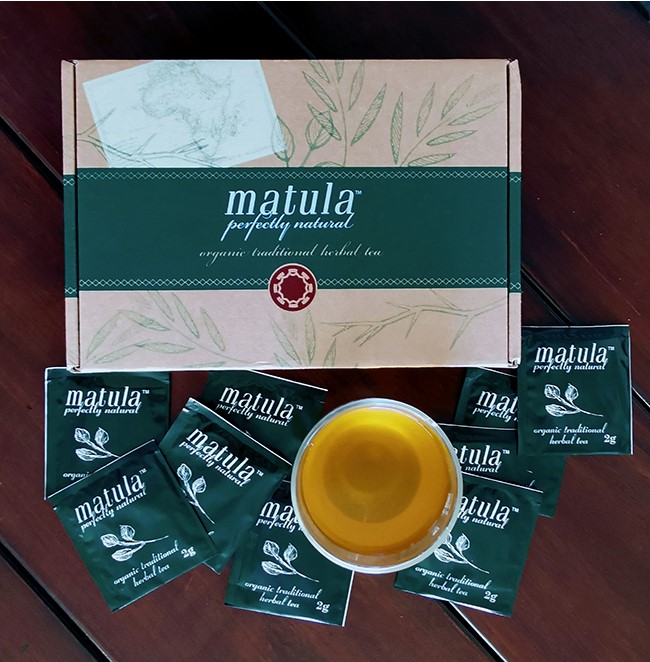
Matula Tea™ is a structured 30-day digestive wellness support program focused on:
- digestive wellness
- stomach balance
- realistic consistency
- educational guidance
- ongoing support
The herbal blend uses wild-grown South African herbs traditionally associated with digestive wellness support.
Since 2006, more than 55,000 individuals worldwide have explored the structured program while researching broader H. pylori and digestive wellness concerns.
Importantly, Matula Tea™ is not positioned as a replacement for professional medical care.
Instead, many individuals explore the program as part of a broader digestive wellness support approach.
What Some Individuals Report During the Program
Experiences vary significantly from person to person.
Some individuals report temporary adjustments involving:
- bloating
- fatigue
- headaches
- brain fog
- digestive changes
during the 30-day program.
Others describe the process as feeling:
- gentler
- simpler
- easier to manage
- less disruptive to daily routine
compared with previous experiences involving multiple medications or complex digestive protocols.
Customer Comments Shared Publicly
Some individuals shared comments such as:
“Matula tea is beyond worth the price, and far cheaper than the combination of everything else we had tried.”
Another wrote:
“I did the H. pylori stool antigen test and it came back negative. I was so happy.”
Others discussed:
“No more cramps, no more vomiting. Thank you.”
Importantly, testimonials reflect individual customer experiences and should not be interpreted as guaranteed outcomes.
This program is designed to support general digestive wellness and provide a structured approach. It is not intended as medical advice or a replacement for professional care. Statements on this website have not been evaluated by the Food and Drug Administration. This product is not intended to diagnose, treat, cure, or prevent any disease.

Understanding the Bigger Picture
One thing becomes very clear after reading hundreds of digestive wellness discussions online:
People are usually not just looking for “the strongest protocol.”
They are looking for:
- realistic expectations
- manageable routines
- digestive stability
- support throughout the process
- better long-term stomach health
And honestly, that broader perspective often changes how people approach digestive recovery altogether.

Learn More Before You Decide
If you are currently researching H. pylori-related digestive concerns and trying to better understand the different approaches available, these questions may help you think more clearly before deciding on your next step.
While many people successfully clear H. pylori with conventional treatment, others report challenging side effects, lingering digestive symptoms, or the need for additional treatment rounds. Experiences like these help explain why some individuals continue researching broader digestive health strategies even after completing therapy.
Before making your next decision, we recommend taking a few minutes to step back and evaluate all of your options carefully.
Many people find that gaining clarity around these questions helps them move forward with greater confidence and less uncertainty.
FAQ’s
Broad-spectrum antibiotics may well affect digestive balance, beneficial bacteria, stomach function, and bowel patterns while targeting H. pylori.
Why do H. pylori antibiotics cause digestive side effects?Broad-spectrum antibiotics may affect digestive balance, beneficial bacteria, stomach function, and bowel patterns while targeting H. pylori.
Some individuals report fatigue, nausea, dizziness, or digestive discomfort during triple or quadruple therapy discussions, although experiences vary widely.
Some people report side effects becoming difficult to tolerate physically or emotionally, particularly during more intensive antibiotic combinations.
No. Some individuals tolerate treatment relatively well, while others report stronger digestive or neurological-type symptoms.
Since 2006, more than 55,000 individuals worldwide have explored the structured 30-day Matula Tea™ program. Many individuals appreciate the combination of digestive wellness support, educational guidance, realistic daily structure, and the money-back guarantee offered through the program.
Key Takeaways
- H. pylori antibiotic treatments often cause extensive side effects, which vary greatly among individuals.
- Common side effects include nausea, fatigue, digestive discomfort, and mental symptoms like brain fog.
- Triple and quadruple therapies frequently lead to significant side effects; however, some tolerate them well.
- Many individuals turn to options like Matula Tea™ for gentler digestive wellness support after tough treatment experiences.
- Understanding potential side effects helps people set realistic expectations for H. pylori treatment.
Related Information
Discussions surrounding H. pylori treatment often extend beyond eradication alone. Many individuals researching side effects, reflux, bloating, gut balance, microbiome issues, and digestive recovery eventually begin exploring broader digestive wellness support strategies and long-term stomach health discussions.
References
- Mayo Clinic — Helicobacter pylori Infection (Updated 2024)
https://www.mayoclinic.org/diseases-conditions/h-pylori/symptoms-causes/syc-20356171 - NIH — Helicobacter pylori Resistance to Antibiotics (Published 2023)
https://pmc.ncbi.nlm.nih.gov/articles/PMC9952372/ - Frontiers in Microbiology — Treatment of Refractory Helicobacter pylori Infection (Published 2022)
https://www.frontiersin.org/journals/microbiology/articles/10.3389/fmicb.2022.998240/full - Cleveland Clinic — How to Prevent Diarrhea While You Take Antibiotics (Updated 2024)
https://health.clevelandclinic.org/how-to-prevent-diarrhea-while-you-take-antibiotics - Harvard Health Publishing — The Trouble With Antibiotics (Published 2016)
https://www.health.harvard.edu/blog/the-trouble-with-antibiotics-201607209986 - Harvard T.H. Chan School of Public Health — The Microbiome (Updated 2024)
https://nutritionsource.hsph.harvard.edu/microbiome/