
Supporting Gut Health With an H. pylori Diet
An H. pylori diet alone is unlikely to completely eliminate an H. pylori infection.
Still, the foods you eat may influence stomach irritation, reflux symptoms, inflammation, and overall digestive comfort. Some foods appear to create a less favorable environment for H. pylori while also helping calm irritation within the digestive tract. Others may aggravate symptoms and make recovery feel more difficult.
This is one reason many individuals exploring H. pylori-related digestive issues begin paying closer attention to dietary habits alongside conventional treatment discussions.
The 30-day Matula Tea™ program is another approach that continues attracting attention among people researching chronic digestive discomfort connected to H. pylori.

Foods Commonly Discussed in an H. pylori Diet
No single food can “cure” H. pylori on its own. However, researchers have explored how certain foods and natural compounds may influence bacterial activity, inflammation, stomach lining irritation, and digestion more broadly.
One commonly discussed example is Manuka honey. Because of its natural antibacterial properties, some laboratory studies have explored whether it may help slow H. pylori activity under certain conditions. Many people incorporate small amounts into tea, yogurt, or simple whole-food meals as part of a broader stomach-friendly diet.
Green tea has also attracted attention because it contains catechins — plant compounds studied for their antioxidant and antimicrobial properties. Researchers continue exploring whether these compounds may influence stomach inflammation and H. pylori activity in certain situations.
The 30-day Matula Tea™ program approaches digestive concerns somewhat differently. Rather than functioning as a general wellness tea, the herbal blend was developed specifically around H. pylori-related digestive irritation.
Independent in vitro laboratory testing explored antibacterial activity involving the herbal blend and H. pylori under controlled conditions. Importantly, laboratory findings should always be interpreted carefully, since in vitro testing does not automatically guarantee identical outcomes in every individual.
Still, the testing helped generate broader interest in the program among individuals researching natural digestive approaches connected to H. pylori.
Omega-3 Foods and Digestive Irritation
Omega-3 fatty acids are frequently discussed because of their role in inflammatory regulation.
Foods such as salmon, sardines, mackerel, and herring are naturally rich in omega-3s, and some researchers believe these fats may help reduce irritation associated with chronic digestive inflammation.
For many individuals, adding fatty fish to meals several times weekly becomes a practical way to improve dietary quality while avoiding overly restrictive food rules.

Fruits, Vegetables, and Fermented Foods
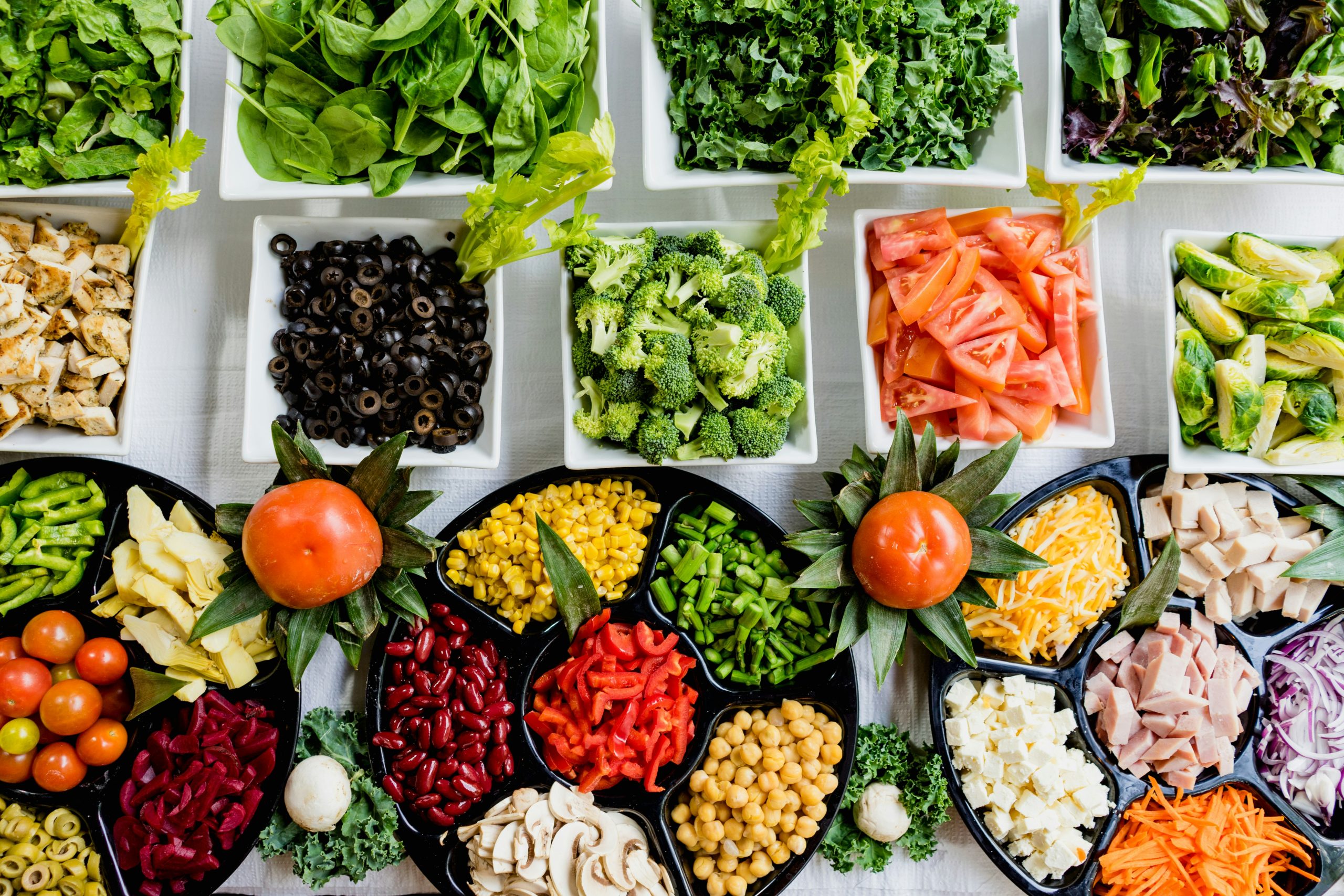
A diet rich in fruits and vegetables is often recommended for maintaining digestive health more generally.
Berries such as blueberries, cranberries, raspberries, and pomegranates contain antioxidants and plant compounds that researchers continue studying in relation to stomach health and bacterial activity. Some laboratory findings suggest these compounds may influence H. pylori under certain conditions, although research remains ongoing.
Fermented foods are also commonly discussed because they contain beneficial bacteria that may influence digestive balance. Foods such as kefir, yogurt with live cultures, kimchi, and sauerkraut are frequently included in digestive-friendly meal planning.
At the same time, some individuals with sensitive digestion find fermented foods irritating initially, which is why gradual introduction is often recommended.tly through food.
Foods That May Aggravate Symptoms
While some foods appear easier on digestion, others commonly trigger irritation and reflux symptoms.
Spicy foods, acidic meals, greasy takeout, excessive alcohol, and highly processed foods are all common triggers discussed in relation to stomach discomfort. Some individuals also notice increased irritation after heavily preserved snacks, refined oils, or meals high in sugar.
Paying attention to symptom patterns after eating is often one of the most useful parts of adjusting an H. pylori diet. Many people gradually discover which foods leave digestion feeling calmer and which consistently worsen symptoms.
A More Practical Approach to Diet and Digestion
One mistake people sometimes make is turning an H. pylori diet into an extremely restrictive protocol.
In reality, most individuals find long-term consistency easier when the approach remains practical and sustainable.
For many people, that simply means:
- identifying obvious trigger foods
- improving meal quality gradually
- eating more consistently
- reducing unnecessary digestive irritation
Small sustainable improvements are often easier to maintain long term than aggressive short-term restrictions.
Where the 30-Day Matula Tea™ Program Fits In
Some individuals researching dietary approaches eventually begin looking beyond food adjustments alone.
The structured 30-day Matula Tea™ program is commonly explored alongside dietary changes, reflux management, and broader digestive strategies connected to H. pylori discussions.
The herbal blend contains wild-grown South African herbs traditionally associated with digestive health and stomach comfort. Some individuals report improvements involving bloating, reflux, digestion, and upper stomach discomfort during or after completing the program.
As always, experiences vary from person to person.
This program is designed to support general digestive wellness and provide a structured approach. It is not intended as medical advice or a replacement for professional care. Statements on this website have not been evaluated by the Food and Drug Administration. This product is not intended to diagnose, treat, cure, or prevent any disease.
FAQ’s
Many people with H. pylori find that highly processed foods, excessive sugar, alcohol, spicy meals, and heavily fried foods can aggravate stomach discomfort. In our experience, reducing these trigger foods often helps calm irritation while supporting better digestion overall.
Diet changes may help support digestive balance and reduce irritation, but they are not typically considered a standalone solution for addressing H. pylori. That’s why many people combine dietary adjustments with a structured digestive support program, such as our 30-day protocol that includes Matula Tea.
Gentle, easy-to-digest foods are usually the safest place to start. Many people focus on foods like cooked vegetables, lean proteins, low-acid fruits, broth-based meals, and fiber-rich options that support gut health without overwhelming the stomach.
Yes, it can in some individuals. We’ve found that many people dealing with H. pylori report increased sensitivity to foods they previously tolerated well — especially coffee, spicy foods, dairy, or acidic meals. This may be linked to ongoing stomach irritation and digestive imbalance.
That depends on the person and the severity of their digestive symptoms. Some people notice improvements within a few weeks, while others need longer-term dietary changes to support digestive recovery. Consistency matters far more than perfection, especially during a structured 30-day digestive wellness program.
Key Takeaways
- An H. pylori diet can help reduce inflammation and support gut health, but it cannot replace medical treatment.
- Incorporate foods like Manuka honey, green tea, and omega-3 rich fish oil to combat H. pylori.
- Fruits and vegetables, especially berries and fermented foods like sauerkraut, can promote a healthy gut environment.
- Avoid spicy, acidic, and processed foods as they may aggravate symptoms and irritate the stomach lining.
- Consider a balanced diet alongside medical treatment for optimal management of H. pylori.
See related info here…
Click on these links to learn more.
References
- MDPI Pathogens — Impact of Dietary Patterns on H. pylori Infection and the Modulation of Microbiota (Published 2021)
https://www.mdpi.com/2076-0817/10/7/875 - Frontiers in Microbiology — Treatment of Refractory Helicobacter pylori Infection (Published 2022)
https://www.frontiersin.org/articles/10.3389/fmicb.2022.998240/full - Cleveland Clinic — Gastritis: Symptoms, Causes, Treatments (Updated 2025)
https://my.clevelandclinic.org/health/diseases/10349-gastritis - Johns Hopkins Medicine — Peptic Ulcer Disease (Updated 2024)
https://www.hopkinsmedicine.org/health/conditions-and-diseases/peptic-ulcer-disease - World Gastroenterology Organisation — Helicobacter pylori Guidelines (Updated 2021)
https://www.worldgastroenterology.org/UserFiles/file/guidelines/helicobacter-pylori-english-2021.pdf