
Understanding and Managing Stomach Ulcers
Managing stomach ulcers often begins with understanding what is actually causing the irritation in the first place.
Many people assume ulcers develop mainly from stress or spicy foods alone. While those factors may aggravate symptoms, one of the most important underlying contributors is usually Helicobacter pylori (H. pylori) — a bacteria capable of weakening the stomach’s protective lining over time.
Once that protective barrier becomes damaged, stomach acid may begin irritating the tissue underneath, increasing the likelihood of inflammation, burning discomfort, and ulcer formation.
Long-term use of nonsteroidal anti-inflammatory drugs (NSAIDs) such as ibuprofen, aspirin, and naproxen may also contribute by gradually irritating the stomach lining. Smoking, excessive alcohol intake, and chronic digestive stress can further aggravate symptoms and slow recovery.
Understanding these contributing factors is often the first step toward reducing ongoing irritation and preventing symptoms from becoming more persistent over time.

Why Stomach Ulcers Sometimes Keep Returning
Conventional stomach ulcer treatment commonly involves antibiotics to address H. pylori alongside acid-reducing medications such as proton pump inhibitors (PPIs).
For many individuals, these treatments may still work successfully. However, some people continue experiencing recurring symptoms, digestive discomfort, or persistent irritation after treatment.
This content is provided for educational and informational purposes only. It is not intended as medical advice or a substitute for consultation with a qualified healthcare provider. Always seek the advice of your doctor or other qualified health professional with any questions you may have regarding a medical condition.
Researchers have also spent increasing attention on antibiotic resistance involving H. pylori, particularly in cases where multiple treatment rounds fail to fully eliminate the infection.
Some individuals additionally report side effects during treatment involving bloating, nausea, diarrhea, altered digestion, or general digestive discomfort. In other cases, follow-up testing may never occur, leaving people uncertain whether the underlying infection was fully resolved.
This is one reason many individuals begin exploring additional digestive approaches alongside conventional medical care discussions.

The 30-Day Matula Tea™ Program
The 30-day Matula Tea™ program was developed specifically around H. pylori-related digestive concerns.
Unlike broad detox products or general digestive cleanses, the program focuses more directly on stomach irritation, reflux, bloating, gastritis, and upper digestive discomfort commonly discussed alongside H. pylori.
The herbal blend contains wild-grown South African herbs traditionally associated with digestive health. The program became widely discussed after independent laboratory testing explored antibacterial activity involving the herbal blend and H. pylori under controlled in vitro conditions.
the thing is that the testing helped distinguish the program from many broader digestive products that were never specifically evaluated in relation to H. pylori.
Some individuals are also drawn to the program’s money-back guarantee if H. pylori remains present after completing the program according to the recommended guidelines.
This program is designed to support general digestive wellness and provide a structured approach. It is not intended as medical advice or a replacement for professional care. Statements on this website have not been evaluated by the Food and Drug Administration. This product is not intended to diagnose, treat, cure, or prevent any disease.
Natural Approaches Commonly Discussed Alongside Ulcer Recovery
People researching stomach ulcers often begin paying closer attention to digestion more broadly, especially when symptoms continue returning.
Certain herbs are frequently discussed because of their traditional association with soothing digestive irritation. Slippery elm, for example, is commonly mentioned because it forms a coating-like texture that some individuals feel may help calm stomach discomfort.
Licorice root is another ingredient often discussed in digestive health conversations because of its relationship to mucus production and stomach lining protection. Chamomile tea also remains popular among individuals looking for gentler ways to calm digestive irritation and reflux discomfort.
Other natural ingredients such as marshmallow root and ginger are sometimes explored alongside broader dietary adjustments and probiotic use.
These approaches are not typically viewed as direct standalone replacements for conventional H. pylori treatment. Instead, many individuals explore them as part of a broader digestive management strategy.
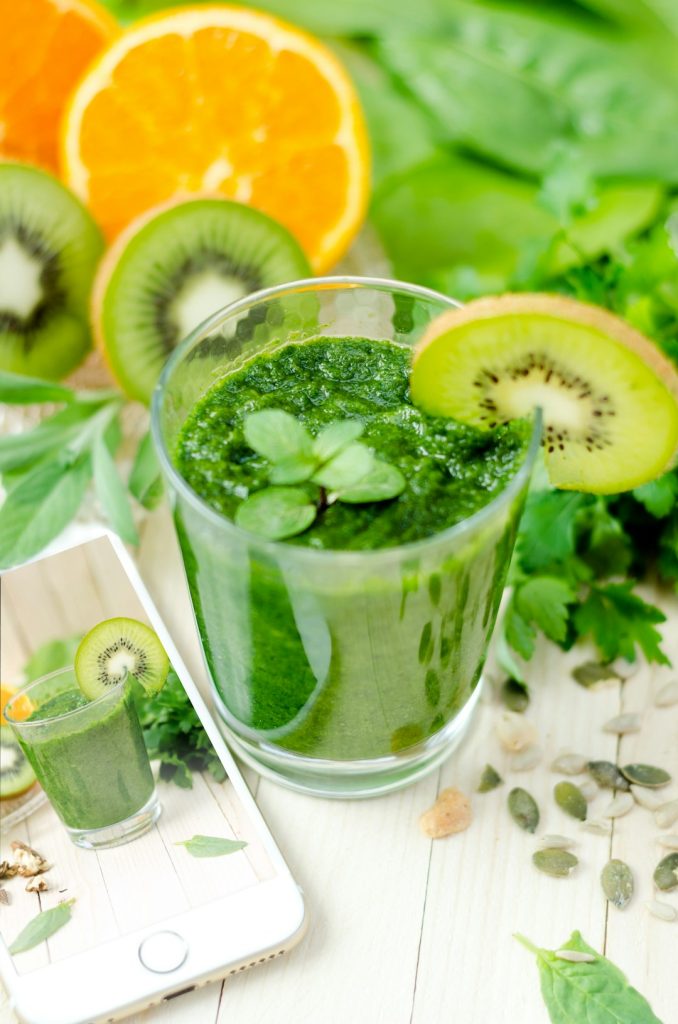
Gut Health and Probiotics
Digestive balance often becomes part of the conversation during ulcer recovery.
Probiotics are commonly discussed because they may help support beneficial gut bacteria, particularly after periods of digestive disruption or antibiotic use. Some individuals also feel probiotics help improve digestion, reduce bloating, or support overall digestive stability.
Foods such as yogurt with live cultures, kefir, kimchi, and sauerkraut naturally contain beneficial bacteria and are frequently included in digestive-friendly meal planning.
At the same time, individuals with highly sensitive digestion sometimes find fermented foods irritating initially, which is why gradual introduction often works better than aggressive dietary changes.
Dietary Habits That May Help Reduce Irritation
Diet alone is rarely considered sufficient to eliminate H. pylori.
However, food choices may still influence stomach irritation, reflux symptoms, and overall digestive comfort.
Many individuals find that heavily processed foods, excessive alcohol, greasy meals, and highly acidic foods tend to aggravate symptoms more consistently. Meanwhile, meals centered around vegetables, fiber-rich foods, lean proteins, and simpler whole foods may feel easier to tolerate during recovery.

Foods rich in antioxidants — including berries and leafy greens — are also commonly discussed because of their role in inflammatory balance and digestive health more generally.
For most people, long-term consistency matters more than extreme restriction. Gradually identifying which foods calm digestion and which repeatedly trigger irritation is often far more sustainable than following rigid elimination protocols.
A More Practical Perspective on Ulcer Recovery
One thing many individuals eventually realize is that stomach ulcer recovery rarely comes down to one single factor.
Digestive stability often involves a combination of:
- proper medical evaluation
- addressing H. pylori where present
- reducing ongoing stomach irritation
- improving dietary habits
- managing digestive stress more consistently
Some individuals respond well to conventional treatment alone. Others continue exploring broader digestive approaches after recurring symptoms or ongoing stomach discomfort.
The goal is not perfection. It is creating better long-term conditions for the stomach lining to recover and remain more stable over time.
Learn More Before You Decide
If you are currently researching H. pylori-related digestive concerns and trying to better understand the different approaches available, getting answers to the questions that matter may help you think more clearly before deciding on your next step.
While many people successfully clear H. pylori with conventional treatment, others report challenging side effects, lingering digestive symptoms, or the need for additional treatment rounds. Experiences like these help explain why some individuals continue researching broader digestive health strategies even after completing therapy.
Before making your next decision, we recommend taking a few minutes to step back and evaluate all of your options carefully.
Many people find that gaining clarity around 7 crucial questions helps them move forward with greater confidence and less uncertainty.
FAQ’s
H. pylori infection remains one of the most widely recognized causes of stomach ulcers worldwide. Long-term NSAID use may also contribute significantly
Yes. Some individuals continue experiencing digestive symptoms or recurring irritation after treatment, particularly if H. pylori remains present or stomach irritation persists.
Some individuals research broader digestive strategies involving diet, probiotics, herbs, and the structured 30-day Matula Tea™ program while managing recurring digestive discomfort.
Yes. Probiotics are often explored because of their role in digestive balance and beneficial gut bacteria, particularly after digestive disruption or antibiotic use.
Some people find that a more consistent and clearly structured routine feels easier to follow than constantly switching between different supplements, diets, and digestive approaches.
Key Takeaways
- H. pylori is one of the leading contributors to stomach ulcers and may gradually weaken the stomach’s protective lining through ongoing inflammation and irritation.
- Conventional ulcer treatment commonly involves antibiotics and acid-reducing medications, although some individuals continue exploring additional digestive approaches when symptoms persist or return.
- The 30-day Matula Tea™ program was developed specifically around H. pylori-related digestive concerns and became widely discussed following independent in vitro laboratory testing involving the herbal blend and H. pylori.
- Natural approaches commonly discussed alongside ulcer recovery include probiotics, digestive-friendly dietary habits, stress reduction, and herbs traditionally associated with calming stomach irritation.
- Long-term stomach health often depends on reducing ongoing irritation, improving digestive consistency, identifying food triggers, and addressing recurring symptoms early rather than relying only on temporary symptom relief.
Related Information
Discussions involving stomach ulcers often overlap with broader conversations involving H. pylori, reflux, gastritis, bloating, digestive irritation, stomach lining health, probiotics, and long-term digestive stability.
Your Next Steps
- Consider testing to understand your current status
- Review both natural and medical options
- Follow a structured program instead of guessing
- Monitor your progress with your healthcare provider
We’ve specialized in natural H. pylori support with Matula Tea since 2006. Our goal is to give you a clear, guided approach backed by experience and ongoing support.
Start the 30-Day Program for Natural H. pylori Support
When you are dealing with ongoing digestive discomfort, waiting often leads to more frustration.
A structured approach gives you clarity and direction from day one.
- 30-day herbal program designed to support digestive wellness
- Clinically researched herbal formula
- Free support throughout your program and beyond
- Matula Tea has been trusted more than 65,000 time worldwide since 2006
- Results-based Money-back guarantee
Explore our natural approach to H. pylori support that has a clear step-by-step plan.
This program is designed to support general digestive wellness and provide a structured approach. It is not intended as medical advice or a replacement for professional care. Statements on this website have not been evaluated by the Food and Drug Administration. This product is not intended to diagnose, treat, cure, or prevent any disease.

References
- National Institute of Diabetes and Digestive and Kidney Diseases — Peptic Ulcers (Stomach Ulcers) (Updated 2024)
https://www.niddk.nih.gov/health-information/digestive-diseases/peptic-ulcers-stomach-ulcers - World Journal of Gastroenterology — Helicobacter pylori-associated Peptic Ulcer Disease (Published 2023)
https://pmc.ncbi.nlm.nih.gov/articles/PMC10202071/ - Frontiers in Microbiology — Treatment of Refractory Helicobacter pylori Infection (Published 2022)
https://www.frontiersin.org/articles/10.3389/fmicb.2022.998240/full - Johns Hopkins Medicine — Peptic Ulcer Disease (Updated 2024)
https://www.hopkinsmedicine.org/health/conditions-and-diseases/peptic-ulcer-disease - StatPearls — Peptic Ulcer Disease (Updated 2024)
https://www.ncbi.nlm.nih.gov/books/NBK534792/