
Causes, Symptoms, and Prevention for a Healthier You
Gaining a deep understanding of Candida overgrowth is vital for anyone striving to maintain optimal health, particularly if you’re grappling with chronic digestive issues or seeking natural health remedies.
This common yet often overlooked condition, termed candidiasis, can arise when there’s an imbalance in your gut microbiome, frequently triggered by antibiotic use or high-sugar diets.
Recognizing symptoms of Candida, such as persistent fatigue and digestive discomfort, is crucial for managing it effectively. By concentrating on strategies like integrating probiotics, bolstering your immune system, and exploring natural anti-fungal remedies, you can take proactive steps toward the prevention of Candida infection.
In this article, we’ll show you how to manage Candida and cultivate a healthier you, providing insights and tips that foster a positive and reliable approach to gut health.

Causes of Candida Overgrowth
Antibiotic Effects on Microbiome
Antibiotics can profoundly alter the delicate equilibrium of your gut microbiome. While they are essential for eliminating harmful bacteria, these medications often do not discriminate between good and bad bacteria.
This indiscriminate action can lead to a decrease in beneficial bacteria that keep Candida in check.
Consequently, Candida can exploit this imbalance, resulting in overgrowth, particularly after prolonged or repeated antibiotic use.
To counteract these antibiotic effects, it is advisable to incorporate probiotics into your diet. These beneficial microorganisms help replenish the good bacteria in your gut, promoting a balanced microbiome.
Additionally, maintaining a low-sugar diet can further reduce the risk of Candida overgrowth, as excess sugar can fuel fungal growth.
Recognizing and addressing these factors is pivotal in effectively managing and preventing candidiasis.

Recognizing the Symptoms of Candida Overgrowth
Spotting the signs of Candida overgrowth can sometimes feel overwhelming, but rest assured, it’s entirely manageable with the right knowledge and tools. Common symptoms include persistent fatigue, digestive issues like bloating and gas, and a general feeling of unwellness.
You might also experience frequent headaches, skin irritations, or mood swings. Many have found relief by turning to natural remedies, which offer a gentler approach without the side effects often associated with pharmaceutical solutions.
Natural Remedies and Prevention
Tackling Candida overgrowth naturally can be both effective and empowering.
Probiotics are a popular choice, helping restore balance in your gut by promoting the growth of beneficial bacteria.
Products rich in live cultures, such as yogurt or kefir, can be easily incorporated into your daily routine.
Testimonials from individuals who have tried these natural remedies often highlight improved energy levels and reduced digestive discomfort, providing peace of mind and proof of efficacy.
Lifestyle and Dietary Changes That Make a Difference
Making simple lifestyle changes can significantly impact your body’s ability to manage Candida overgrowth.
Reducing sugar intake, for instance, can starve Candida of its preferred fuel source.
Opt for a diet filled with leafy greens, lean proteins, and whole grains to support your body’s natural defenses. Engage in stress-relieving activities
Diet and Lifestyle Factors

Diet and lifestyle choices significantly influence Candida overgrowth. Diets high in sugar and refined carbohydrates can provide abundant nourishment for Candida, encouraging its proliferation.
Excessive sugar consumption creates an environment conducive to fungal growth. Plus, a diet lacking in fiber can lead to digestive issues that exacerbate Candida overgrowth. On the lifestyle front, chronic stress and insufficient sleep weaken the immune system, diminishing its ability to regulate Candida levels.
Hormonal imbalances, often affected by stress and poor lifestyle habits, can further disrupt the body’s natural defenses.
To manage these risk factors, it’s essential to adopt a balanced diet rich in whole foods and engage in stress-reducing activities like yoga or meditation. Regular physical activity also supports a healthy immune system, helping prevent Candida from becoming problematic.
Hormonal and Immune Influences
Hormonal fluctuations and immune system health are significant contributors to Candida overgrowth.
Hormonal changes, such as those during pregnancy, menstruation, or menopause, can disrupt the body’s natural balance, allowing Candida to thrive. These fluctuations may alter the immune response, reducing the body’s ability to effectively control fungal growth.
Similarly, a compromised immune system, whether due to stress, illness, or medical treatments, can struggle to maintain a healthy balance of microorganisms in the body. This can enable Candida to proliferate unchecked, leading to overgrowth.
To counter these influences, it’s crucial to support hormonal balance and immune function through proper nutrition, adequate sleep, and stress management.
Incorporating foods rich in vitamins and minerals that bolster immune health, such as fruits, vegetables, and nuts, can be beneficial. Regular check-ups with healthcare providers can also ensure hormonal levels remain balanced.
A Natural Solution for Candida: Try Matula Tea for 60 Days
If you’re looking for an effective yet gentle approach to combat Candida overgrowth, consider integrating Matula Tea into your routine for 60 days.
This herbal infusion is renowned for its natural antifungal properties and its ability to support gut health.
Why Matula Tea?
Many individuals have reported meaningful improvements in their digestive comfort and overall wellbeing after incorporating Matula Tea into their daily routine.
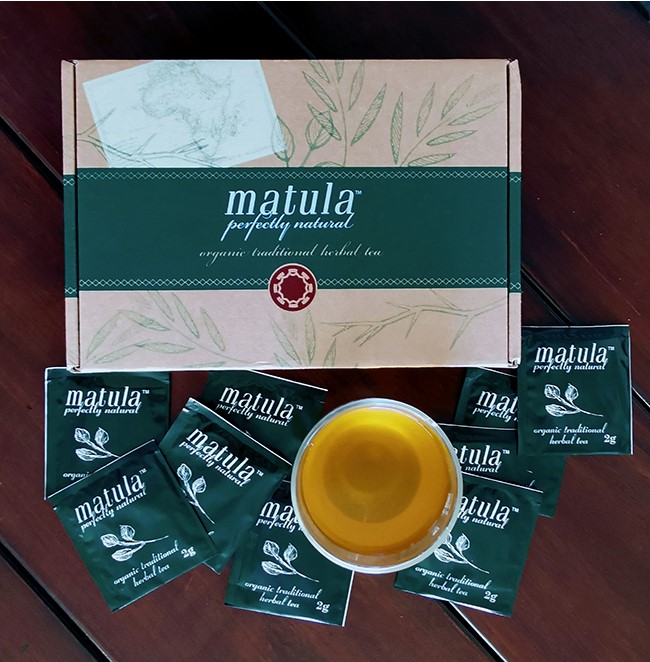
Matula Tea is crafted from a unique blend of wild herbs traditionally used to support digestive balance and a healthier gut environment. What makes it especially noteworthy is that it has been lab tested and shown to inhibit up to 93% of Candida with every application, offering targeted support for those struggling with persistent Candida-related digestive issues.
Because Candida can regrow rapidly, consistency is important. For this reason, we recommend completing a full 2-box Matula Tea program to provide ongoing support throughout the process and help maintain a more balanced digestive environment over time.
With its simple preparation and naturally soothing taste, adding Matula Tea to your daily routine is both easy and enjoyable.
Success Stories
One satisfied user, Jane, shared:
“After just a few weeks of drinking Matula Tea, I noticed a remarkable reduction in my digestive issues, and my energy levels were higher than they’ve been in years.”
This experience is echoed by many individuals who were searching for a more natural way to support their digestive health and microbiome balance.
Individual results may vary. Testimonials reflect personal customer experiences and are not intended as medical claims. Our 30-day Matula Tea program is a herbal dietary supplement program, not a medical treatment.
Your Path to Wellness
Taking Matula Tea is about supporting your gut health with a natural, structured wellness approach trusted by people around the world. For those looking to complement their overall digestive wellness routine with a herbal option backed by laboratory testing, Matula Tea offers a reassuring path forward.
By committing to the recommended 2-box program, you give your body ongoing support against Candida’s rapid regrowth cycle while working toward a healthier, more balanced digestive system.
OR…
This program is designed to support general digestive wellness and provide a structured approach. It is not intended as medical advice or a replacement for professional care. Statements on this website have not been evaluated by the Food and Drug Administration. This product is not intended to diagnose, treat, cure, or prevent any disease.
Recent References
- Probiotics and Gut Health: An article from Nature Reviews Gastroenterology & Hepatology (August 2023) discusses the role of probiotics in mitigating negative effects of antibiotic treatments and supporting the restoration of a healthy gut microbiome. Read the article.
- Immune System and Gut Microbiome Interaction: The interplay between the gut microbiome and the immune system is examined in a study from Immunity (July 2023), which provides insight into maintaining immune efficacy in the context of gut health challenges. Explore the research.
- Natural Remedies for Candidiasis: A comprehensive review in the Journal of Herbal Medicine (June 2023) evaluates the effectiveness of various herbal remedies in managing Candida overgrowth, highlighting garlic and other natural antifungals. View the review.