
How to Reduce H. pylori Cross-Exposure at Home
H. pylori can pass between people in close contact. This matters most in households, where daily habits increase exposure.
If one person has symptoms, others may also carry it without knowing. Taking simple steps early can help you avoid repeated exposure and ongoing digestive discomfort.
You can lower risk by improving hygiene, testing when needed, and exploring structured support options that fit your routine.

How H. pylori Spreads
H. pylori spreads through contact with saliva, vomit, or stool. This often happens through shared utensils, cups, or close personal contact.
Food and water can also play a role when hygiene is poor. In busy households, small habits add up fast.
Focus on these daily actions:
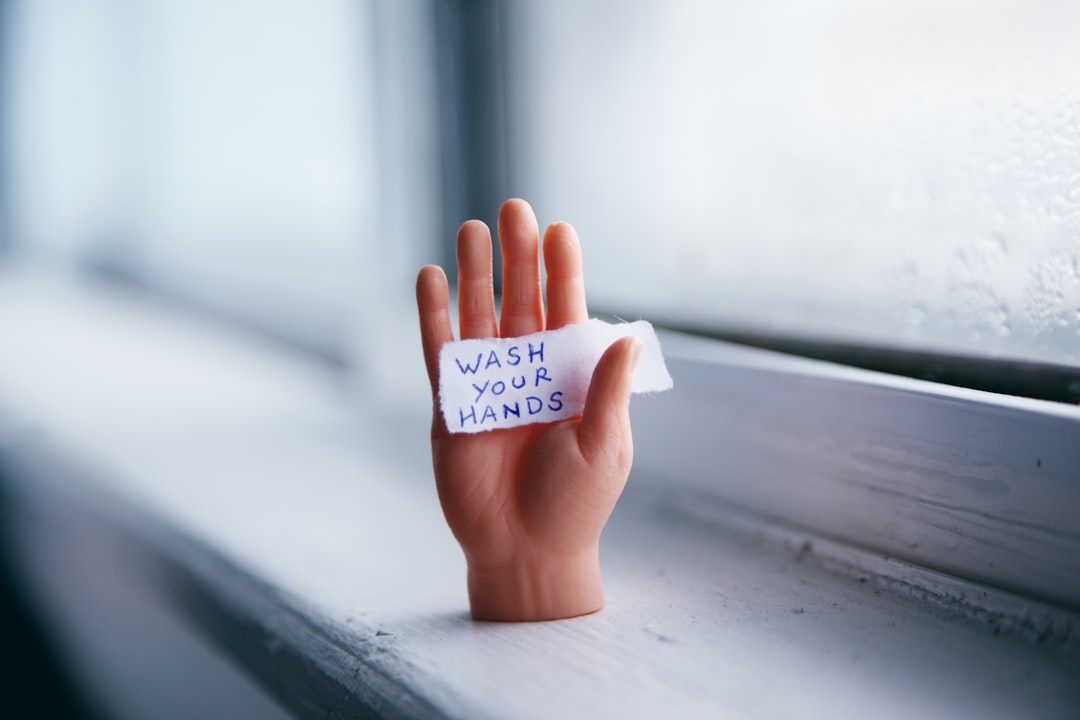
- Wash hands before eating and after bathroom use
- Avoid sharing utensils, cups, or straws
- Clean food preparation areas often
- Use safe drinking water sources
Small changes like these reduce repeated exposure over time.

This content is provided for educational and informational purposes only. It is not intended as medical advice or a substitute for consultation with a qualified healthcare provider. Always seek the advice of your doctor or other qualified health professional with any questions you may have regarding a medical condition.
Common Cross-Exposure Risks
You face higher risk when daily habits involve shared contact.
Watch for these situations:
- Sharing utensils, cups, or food
- Kissing or close personal contact
- Poor hand hygiene after bathroom use
- Unclean kitchen or bathroom surfaces
- Children with inconsistent hygiene habits
Review your daily routine. Where could exposure happen without you noticing?
Why Testing Matters for Households
Testing helps you understand who may carry H. pylori. Many people have no clear symptoms.
If one person tests positive, consider checking others in the home. This helps you avoid repeated exposure cycles.
Common options include:
- Breath tests
- Stool tests
- Blood tests
Use results to guide your next steps with your healthcare provider.
If you’re exploring natural support for H. pylori, you can review options like Matula Tea as part of your plan.

Daily Habits That Support Lower Exposure
Your daily habits shape your risk.
Focus on these simple actions:
- Eat whole foods like vegetables, berries, and fermented foods
- Drink herbal teas such as ginger or chamomile
- Stay consistent with handwashing
- Keep kitchen tools and surfaces clean
Many people also explore adding a structured herbal program during this phase to stay consistent.
Want a simple option you can follow daily? You can review the full 30-day Matula Tea program here:
This program is designed to support general digestive wellness and provide a structured approach. It is not intended as medical advice or a replacement for professional care. Statements on this website have not been evaluated by the Food and Drug Administration. This product is not intended to diagnose, treat, cure, or prevent any disease.
Creating a Safer Home Routine
Consistency matters more than perfection. Build habits your household can follow every day.
- Assign personal towels and utensils
- Clean high-touch surfaces daily
- Cook food thoroughly and store it safely
- Avoid sharing drinks or personal items
- Keep rooms ventilated
- Talk openly about hygiene habits at home
These steps reduce repeated exposure and help you stay in control of your environment.
7 Questions To Ask Before Choosing Any H. pylori Program
Before choosing any H. pylori approach, it can be helpful to step back and evaluate your options carefully.
While many people successfully complete conventional treatment, others continue searching for answers after experiencing side effects, lingering symptoms, or the need for additional treatment rounds.
This short question-based guide may help you better understand the different approaches available and think more clearly before deciding on your next step.
References
- What is H. pylori?
https://www.webmd.com/digestive-disorders/h-pylori-helicobacter-pylori - H. pylori Infection
https://www.mayoclinic.org/diseases-conditions/h-pylori/symptoms-causes/syc-20356171 - H. pylori Infection: Symptoms, Causes, Diagnosis, and Treatment
https://www.webmd.com/digestive-disorders/h-pylori-helicobacter-pylori - Antibiotic Resistance and Therapy for Helicobacter pylori
https://www.mdpi.com/2079-6382/12/12/1669 - Helicobacter pylori Resistance to Antibiotics
https://pmc.ncbi.nlm.nih.gov/articles/PMC9952372/