
What Many Patients Experience During and After Treatment
If you test positive for H. pylori, your doctor will often recommend triple therapy or quadruple therapy.
These treatments remain the most commonly prescribed medical approaches and may help many individuals clear the infection. They typically involve:
- multiple antibiotics
- a proton pump inhibitor (PPI)
- sometimes additional medications such as bismuth
Healthcare professionals play an important role in diagnosis and treatment planning.
At the same time, many patients are surprised by how difficult treatment can feel physically, especially once side effects begin affecting daily life.
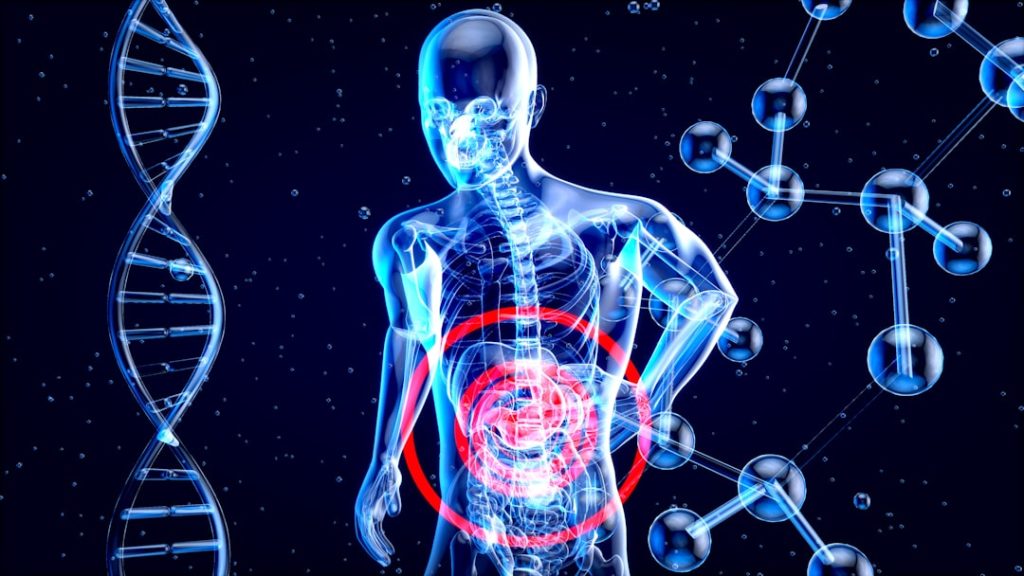
Common Side Effects During Treatment
Most people begin noticing side effects within the first several days of therapy.
The most commonly reported issues include:
- nausea
- vomiting
- metallic taste in the mouth
- diarrhea
- bloating
- stomach cramps
- headaches
- dizziness
- fatigue
- skin irritation or rashes in sensitive individuals
Certain antibiotics, particularly clarithromycin and metronidazole, are frequently associated with the bitter or metallic taste many patients describe during treatment.
For some people, these symptoms remain manageable.
For others, the experience becomes physically and emotionally exhausting, especially during 10 to 14-day treatment cycles involving large numbers of tablets daily.
Why Some People Continue Feeling Unwell After Treatment
One of the most difficult parts of H. pylori treatment is that symptoms do not always disappear immediately after therapy ends.
In our experience since 2006, many individuals tell us they expected to feel better quickly once the antibiotics were finished.
Instead, some continue dealing with:
- bloating
- reflux
- unstable bowel movements
- food sensitivities
- digestive discomfort
- stomach irritation
- fatigue or brain fog
Research suggests that as many as 30–40% of patients report lingering digestive symptoms following eradication therapy, with some cases continuing for months.
That does not necessarily mean treatment failed.
Sometimes the infection clears successfully while the digestive system itself still needs time to recover.
Want to see what real people are saying about this?
A good place to read about this is on Reddit – click here to see
“…still struggling with my nervous system at almost 9 months post treatment”
“I had to go back to the ER because of the dizziness. The doctor told me to try working out to see how much I can tolerate and that I’d be fine if I passed out. Just insane I guess.”
“On day 5/14 of treatment and feeling horrible – please help!”
“I take 11 pills a day and I am miserable. In the early hours of dawn extreme dizziness and nausea kicks in. During that time I throw up until there is nothing left in my stomach. I feel highly sensitive, vulnerable and sick.”

How Antibiotics Affect the Gut Microbiome
This is where things get more complex.
Broad-spectrum antibiotics do not only affect H. pylori. They may also disrupt beneficial bacteria that support:
- digestion
- nutrient absorption
- immune regulation
- microbial balance within the gut ecosystem
Broad-spectrum antibiotics may also reduce beneficial bacteria such as:
- Lactobacillus
- Bifidobacterium
These bacteria are commonly associated with digestion, microbial balance, and normal gut function.
When their levels drop during treatment, some individuals report:
- diarrhea
- bloating
- digestive instability
- stomach irritation
- altered bowel habits
This is one reason broader microbiome recovery discussions often continue long after H. pylori therapy ends.
Recovery timelines vary significantly.
Some people recover relatively quickly. Others report digestive instability continuing for much longer.
Do Probiotics Fully Restore the Microbiome?
Many patients begin taking probiotics during or after treatment hoping to support recovery.
Research presents a more balanced picture.
Certain probiotic strains, including:
- Saccharomyces boulardii
- Lactobacillus reuteri
may help reduce diarrhea and support digestive balance during therapy.
However, probiotics do not necessarily restore the microbiome completely to its previous state.
That distinction matters.
In many cases, probiotics may help support symptom management rather than fully reverse broader microbial disruption.
Why Antibiotic Resistance Has Become a Bigger Conversation
One reason treatment discussions have become more complicated is rising antibiotic resistance.
Current resistance concerns include:
- clarithromycin resistance above 30–40% in some regions
- metronidazole resistance exceeding 50% in parts of Asia and Latin America
- increasing global levofloxacin resistance
Because of this, some patients require:
- second-line treatment
- quadruple therapy
- additional antibiotic combinations
- repeat treatment cycles
And honestly, this is where many individuals begin feeling discouraged.
Each additional treatment round may increase:
- side effects
- digestive instability
- microbiome disruption discussions
- treatment fatigue
Why Repeat Treatment Cycles Can Feel Overwhelming
For individuals who fail first-line therapy, the process can become increasingly demanding.
Second-line treatment may involve:
- bismuth
- two additional antibiotics
- a proton pump inhibitor
- more frequent dosing schedules
Some patients eventually go through multiple treatment rounds before clearing the infection.
That repeated cycle is one reason broader digestive wellness support discussions continue growing, particularly among people trying to rebuild digestive balance after prolonged treatment experiences.
A Different Digestive Wellness Support Approach
Some individuals will explore natural digestive wellness support programs such as Matula Tea.
Rather than focusing on antibiotics, the Matula Tea Program is designed around:
- digestive wellness support
- gut balance
- structured daily consistency
- ongoing digestive support routines
The 30-day program includes:
- twice-daily herbal tea servings
- educational guidance
- free ongoing support
- a money-back guarantee
Importantly, the content should not be interpreted as discouraging conventional medical treatment.
Many individuals still benefit from antibiotics, and healthcare professionals remain central to H. pylori diagnosis and care.
The broader conversation is really about understanding both:
- the potential benefits
- and the possible digestive challenges
associated with treatment.
Learn More Before You Decide
If you are currently researching H. pylori-related digestive concerns and trying to better understand the different approaches available, these questions may help you think more clearly before deciding on your next step.
While many people successfully clear H. pylori with conventional treatment, others report challenging side effects, lingering digestive symptoms, or the need for additional treatment rounds. Experiences like these help explain why some individuals continue researching broader digestive health strategies even after completing therapy.
Before making your next decision, we recommend taking a few minutes to step back and evaluate all of your options carefully.
Many people find that gaining clarity around these questions helps them move forward with greater confidence and less uncertainty.
How we measure the success of our 30-day Matula Tea program…
Since 2006, more than 55,000 people worldwide have used and trusted Matula Tea – the core of our structured 30-day Matula Tea™ program. Remarkably, over 98.4% completed our program without requesting a refund — a strong reflection of long-term customer satisfaction.
FAQ’s
Common side effects include nausea, diarrhea, metallic taste, bloating, stomach cramps, headaches, and dizziness.
Some individuals continue experiencing digestive discomfort, bloating, reflux, or bowel instability while the digestive system recovers after therapy.
Yes. Broad-spectrum antibiotics may reduce beneficial bacteria involved in digestion and microbial balance discussions.
Probiotics may help support digestive recovery and reduce diarrhea, but they may not fully restore previous microbiome diversity.
Rising antibiotic resistance means some H. pylori strains may not respond fully to first-line therapy, leading to additional treatment cycles.
Many individuals prefer a structured program because it provides consistency, guidance, and ongoing support rather than relying on trial-and-error approaches. Since 2006, the Matula Tea Program has supported thousands of individuals worldwide and also includes a money-back guarantee for added confidence.
Key Takeaways
- Triple and quadruple therapy for H. pylori involves antibiotics and probiotics, but side effects like nausea and fatigue are common.
- Many patients don’t feel better immediately after treatment due to lingering digestive symptoms, affecting their quality of life.
- Broad-spectrum antibiotics can disrupt gut microbiome balance, leading to additional digestive issues.
- Probiotics may support recovery but do not fully restore microbiome diversity after antibiotic treatment.
- Rising antibiotic resistance complicates treatment, often requiring repeat cycles and increasing patient frustration.
Related Information
If you are researching H. pylori treatment side effects, antibiotic resistance discussions, microbiome recovery, or digestive wellness support options, the related resources below may help you explore the topic more deeply.
Looking for a Structured Digestive Wellness Support Program?
Many individuals exploring post-treatment digestive recovery eventually decide they want a more structured digestive wellness routine focused on gut balance and long-term consistency.
You can learn more about the Matula Tea Program here:

This program is designed to support general digestive wellness and provide a structured approach. It is not intended as medical advice or a replacement for professional care. Statements on this website have not been evaluated by the Food and Drug Administration. This product is not intended to diagnose, treat, cure, or prevent any disease.
References
- MDPI Antibiotics — Antibiotic Resistance and Therapy for Helicobacter pylori Infection (2023)
https://www.mdpi.com/2079-6382/12/12/1669 - Gut Pathogens — Antibiotic Resistance Situation of 48 Helicobacter pylori Strains (2024)
https://gutpathogens.biomedcentral.com/articles/10.1186/s13099-024-00656-2 - Mayo Clinic — Helicobacter pylori Infection
https://www.mayoclinic.org/diseases-conditions/h-pylori/symptoms-causes/syc-20356171 - Frontiers in Microbiology — Treatment of Refractory Helicobacter pylori Infection (2022)
https://www.frontiersin.org/journals/microbiology/articles/10.3389/fmicb.2022.998240/full - BMJ Gut — Helicobacter pylori Antibiotic Resistance: A Global Challenge in Search of Solutions (2024)
https://gut.bmj.com/content/74/10/1561