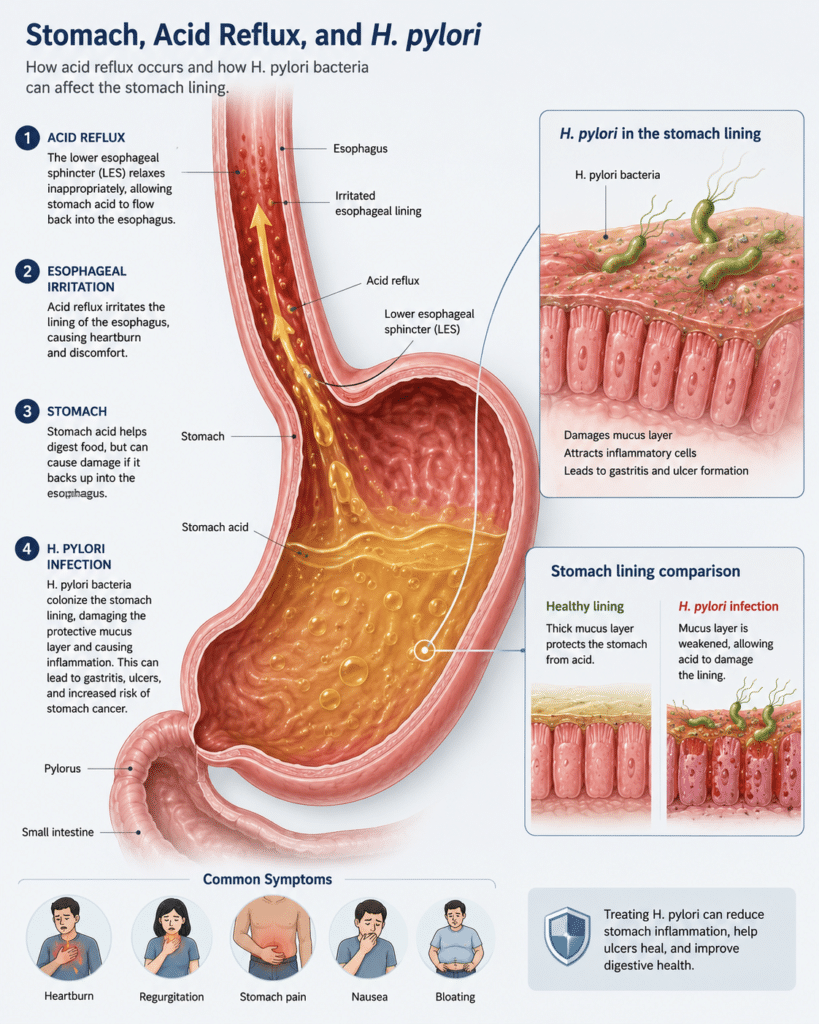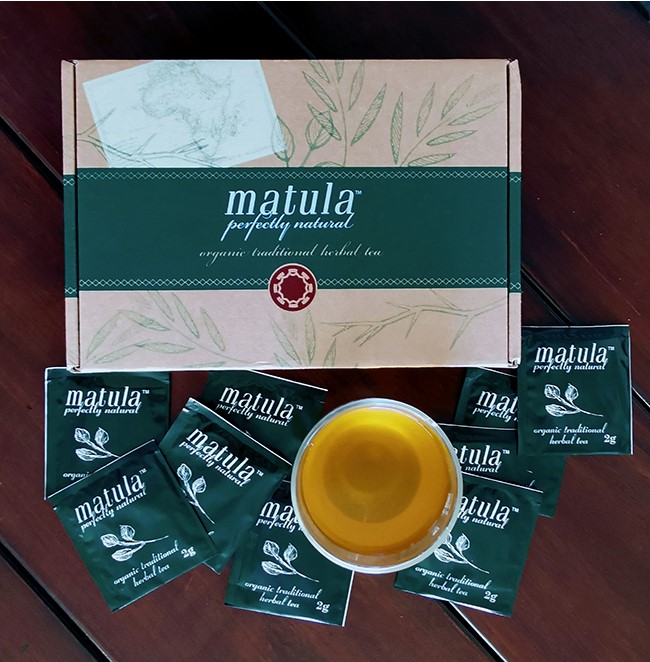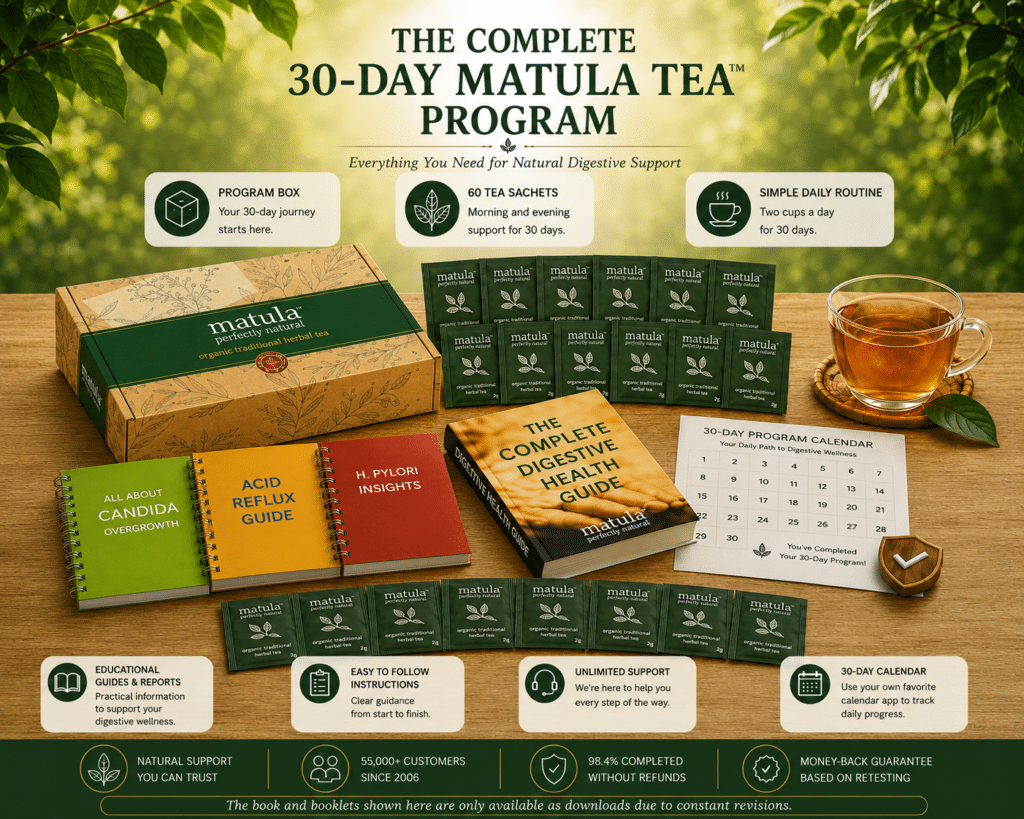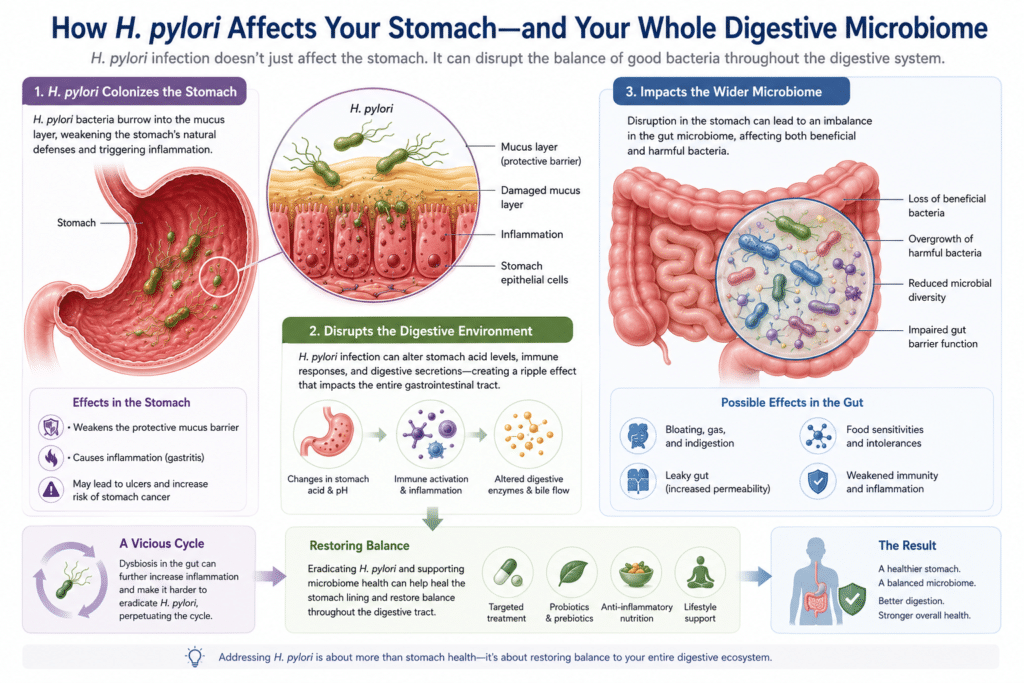
H. pylori Diet

Supporting Gut Health With an H. pylori Diet

An H. pylori diet alone is unlikely to completely eliminate an H. pylori infection.

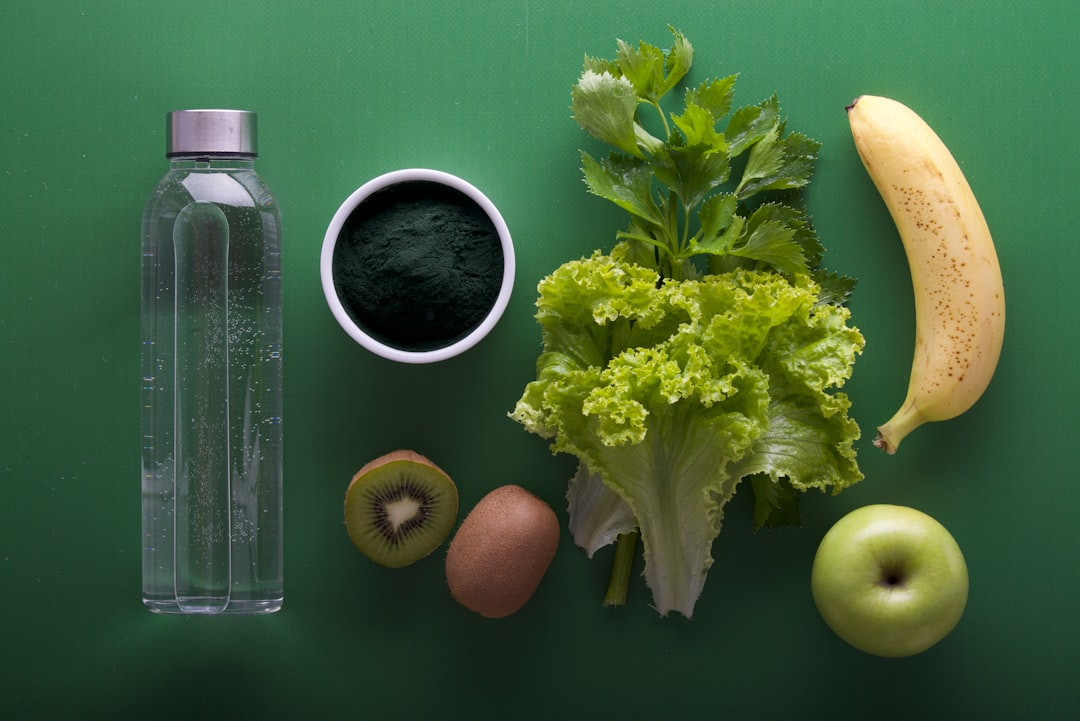
Still, the foods you eat may influence stomach irritation, reflux symptoms, inflammation, and overall digestive comfort. Some foods appear to create a less favorable environment for H. pylori while also helping calm irritation within the digestive tract. Others may aggravate symptoms and make recovery feel more difficult.

This is one reason many individuals exploring H. pylori-related digestive issues begin paying closer attention to dietary habits alongside conventional treatment discussions.

The 30-day Matula Tea™ program is another approach that continues attracting attention among people researching chronic digestive discomfort connected to H. pylori.
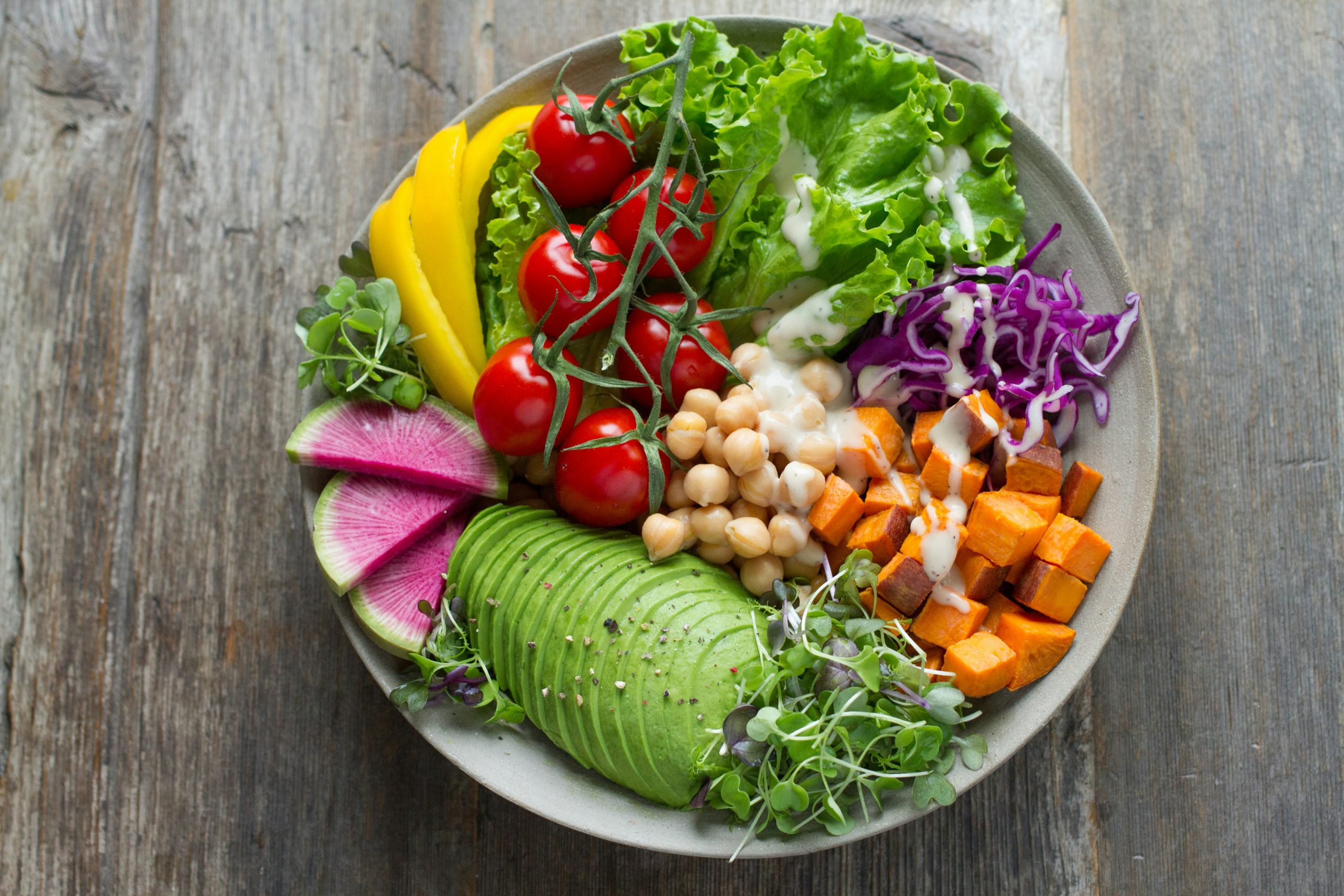
Foods commonly included in an H. pylori diet

Foods Commonly Discussed in an H. pylori Diet

No single food can “cure” H. pylori on its own. However, researchers have explored how certain foods and natural compounds may influence bacterial activity, inflammation, stomach lining irritation, and digestion more broadly.

One commonly discussed example is Manuka honey. Because of its natural antibacterial properties, some laboratory studies have explored whether it may help slow H. pylori activity under certain conditions. Many people incorporate small amounts into tea, yogurt, or simple whole-food meals as part of a broader stomach-friendly diet.

Green tea has also attracted attention because it contains catechins — plant compounds studied for their antioxidant and antimicrobial properties. Researchers continue exploring whether these compounds may influence stomach inflammation and H. pylori activity in certain situations.

The 30-day Matula Tea™ program approaches digestive concerns somewhat differently. Rather than functioning as a general wellness tea, the herbal blend was developed specifically around H. pylori-related digestive irritation.

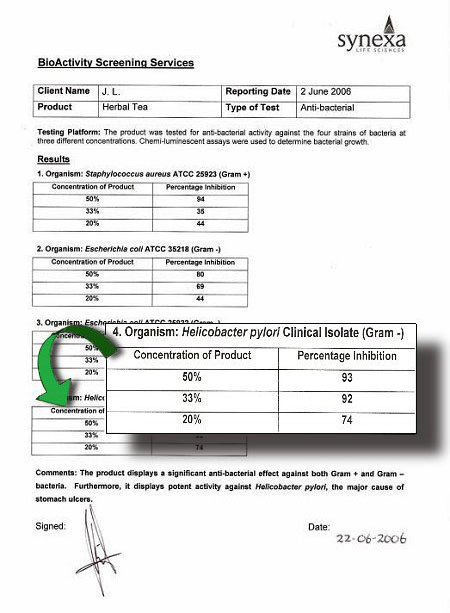
Independent in vitro laboratory testing explored antibacterial activity involving the herbal blend and H. pylori under controlled conditions. Importantly, laboratory findings should always be interpreted carefully, since in vitro testing does not automatically guarantee identical outcomes in every individual.

Still, the testing helped generate broader interest in the program among individuals researching natural digestive approaches connected to H. pylori.

Omega-3 Foods and Digestive Irritation

Omega-3 fatty acids are frequently discussed because of their role in inflammatory regulation.

Foods such as salmon, sardines, mackerel, and herring are naturally rich in omega-3s, and some researchers believe these fats may help reduce irritation associated with chronic digestive inflammation.

For many individuals, adding fatty fish to meals several times weekly becomes a practical way to improve dietary quality while avoiding overly restrictive food rules.

matula tea 30-day program

Fruits, Vegetables, and Fermented Foods

A diet rich in fruits and vegetables is often recommended for maintaining digestive health more generally.

Berries such as blueberries, cranberries, raspberries, and pomegranates contain antioxidants and plant compounds that researchers continue studying in relation to stomach health and bacterial activity. Some laboratory findings suggest these compounds may influence H. pylori under certain conditions, although research remains ongoing.

Fermented foods are also commonly discussed because they contain beneficial bacteria that may influence digestive balance. Foods such as kefir, yogurt with live cultures, kimchi, and sauerkraut are frequently included in digestive-friendly meal planning.

At the same time, some individuals with sensitive digestion find fermented foods irritating initially, which is why gradual introduction is often recommended.tly through food.

30-day Matula Tea™ program and digestive wellness discussions

Foods That May Aggravate Symptoms

While some foods appear easier on digestion, others commonly trigger irritation and reflux symptoms.

Spicy foods, acidic meals, greasy takeout, excessive alcohol, and highly processed foods are all common triggers discussed in relation to stomach discomfort. Some individuals also notice increased irritation after heavily preserved snacks, refined oils, or meals high in sugar.

Paying attention to symptom patterns after eating is often one of the most useful parts of adjusting an H. pylori diet. Many people gradually discover which foods leave digestion feeling calmer and which consistently worsen symptoms.

A More Practical Approach to Diet and Digestion

One mistake people sometimes make is turning an H. pylori diet into an extremely restrictive protocol.

In reality, most individuals find long-term consistency easier when the approach remains practical and sustainable.

For many people, that simply means:

  • identifying obvious trigger foods
  • improving meal quality gradually
  • eating more consistently
  • reducing unnecessary digestive irritation

Small sustainable improvements are often easier to maintain long term than aggressive short-term restrictions.

Where the 30-Day Matula Tea™ Program Fits In

Some individuals researching dietary approaches eventually begin looking beyond food adjustments alone.

The structured 30-day Matula Tea™ program is commonly explored alongside dietary changes, reflux management, and broader digestive strategies connected to H. pylori discussions.

The herbal blend contains wild-grown South African herbs traditionally associated with digestive health and stomach comfort. Some individuals report improvements involving bloating, reflux, digestion, and upper stomach discomfort during or after completing the program.

As always, experiences vary from person to person.


FAQ’s

What foods should I avoid if I have H. pylori?

Many people with H. pylori find that highly processed foods, excessive sugar, alcohol, spicy meals, and heavily fried foods can aggravate stomach discomfort. In our experience, reducing these trigger foods often helps calm irritation while supporting better digestion overall.

Can diet alone get rid of H. pylori?

Diet changes may help support digestive balance and reduce irritation, but they are not typically considered a standalone solution for addressing H. pylori. That’s why many people combine dietary adjustments with a structured digestive support program, such as our 30-day protocol that includes Matula Tea.

What are the best foods to eat during an H. pylori support program?

Gentle, easy-to-digest foods are usually the safest place to start. Many people focus on foods like cooked vegetables, lean proteins, low-acid fruits, broth-based meals, and fiber-rich options that support gut health without overwhelming the stomach.

Can H. pylori cause food sensitivities?

Yes, it can in some individuals. We’ve found that many people dealing with H. pylori report increased sensitivity to foods they previously tolerated well — especially coffee, spicy foods, dairy, or acidic meals. This may be linked to ongoing stomach irritation and digestive imbalance.

How long should I follow an H. pylori diet?

That depends on the person and the severity of their digestive symptoms. Some people notice improvements within a few weeks, while others need longer-term dietary changes to support digestive recovery. Consistency matters far more than perfection, especially during a structured 30-day digestive wellness program.


Key Takeaways

  • An H. pylori diet can help reduce inflammation and support gut health, but it cannot replace medical treatment.
  • Incorporate foods like Manuka honey, green tea, and omega-3 rich fish oil to combat H. pylori.
  • Fruits and vegetables, especially berries and fermented foods like sauerkraut, can promote a healthy gut environment.
  • Avoid spicy, acidic, and processed foods as they may aggravate symptoms and irritate the stomach lining.
  • Consider a balanced diet alongside medical treatment for optimal management of H. pylori.

Click on these links to learn more.


References

  1. MDPI Pathogens — Impact of Dietary Patterns on H. pylori Infection and the Modulation of Microbiota (Published 2021)
    https://www.mdpi.com/2076-0817/10/7/875
  2. Frontiers in Microbiology — Treatment of Refractory Helicobacter pylori Infection (Published 2022)
    https://www.frontiersin.org/articles/10.3389/fmicb.2022.998240/full
  3. Cleveland Clinic — Gastritis: Symptoms, Causes, Treatments (Updated 2025)
    https://my.clevelandclinic.org/health/diseases/10349-gastritis
  4. Johns Hopkins Medicine — Peptic Ulcer Disease (Updated 2024)
    https://www.hopkinsmedicine.org/health/conditions-and-diseases/peptic-ulcer-disease
  5. World Gastroenterology Organisation — Helicobacter pylori Guidelines (Updated 2021)
    https://www.worldgastroenterology.org/UserFiles/file/guidelines/helicobacter-pylori-english-2021.pdf

3,106 Views0
Blood Sugar and H. pylori

How H. pylori May Influence Blood Sugar Balance

Blood sugar regulation can become surprisingly complicated when digestive problems enter the picture.

One area researchers continue exploring is the possible relationship between H. pylori and metabolic health. H. pylori is a bacteria that lives in the stomach lining and is commonly associated with gastritis, reflux, ulcers, and chronic digestive irritation.

Some researchers have also investigated whether long-term stomach inflammation and impaired nutrient absorption linked to H. pylori may influence blood sugar regulation in certain individuals over time.

That does not mean H. pylori directly causes diabetes or blood sugar disorders on its own.

However, digestive dysfunction and chronic inflammation may sometimes contribute to conditions that make healthy glucose regulation more difficult for some people.

Understanding the Digestive Connection

H. pylori is one of the most common bacterial infections worldwide.

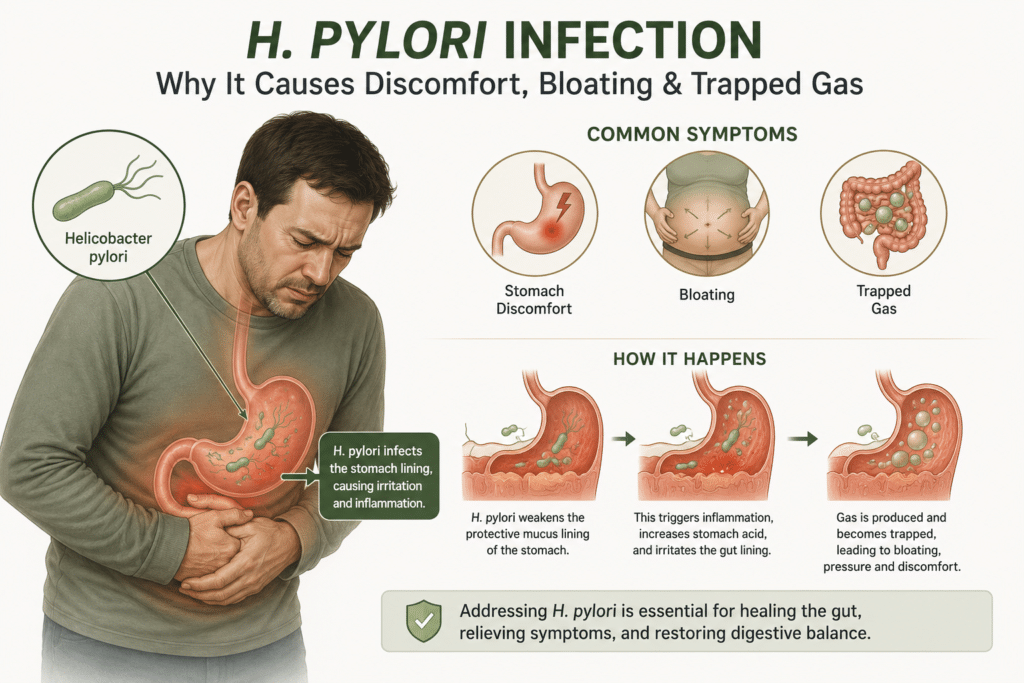
Many individuals carry the bacteria without noticeable symptoms, while others experience recurring digestive problems such as reflux, bloating, nausea, upper stomach discomfort, or frequent indigestion.

The bacteria survives by embedding itself within the stomach lining, where it may trigger ongoing low-grade inflammation. Over time, this irritation can interfere with digestion, stomach acid balance, and nutrient absorption.

This is one reason researchers continue studying possible links between H. pylori and broader metabolic health discussions.

Nutrient Absorption and Energy Regulation

One practical way H. pylori may influence blood sugar balance involves nutrient absorption.

When the stomach lining becomes inflamed, the body may struggle to absorb certain nutrients efficiently. Researchers have explored possible deficiencies involving magnesium, vitamin B12, folate, iron, and several B vitamins in individuals dealing with chronic digestive irritation.

Some of these nutrients play important roles in:

  • energy production
  • glucose metabolism
  • insulin signaling
  • nervous system function

Magnesium, for example, is involved in insulin sensitivity and glucose regulation, while B vitamins help the body convert food into usable energy more efficiently.

When nutrient absorption remains disrupted long term, some individuals report fatigue, sluggishness after meals, fluctuating appetite, brain fog, or energy crashes throughout the day.

These symptoms are not specific to H. pylori alone, but digestive dysfunction may sometimes contribute to broader metabolic imbalance.

Blood Sugar and H. pylori

Chronic Inflammation and Metabolic Stress

Another area researchers continue exploring is chronic inflammation.

Persistent stomach irritation associated with H. pylori may contribute to ongoing inflammatory signaling within the body, and some studies have investigated whether this type of chronic low-grade inflammation could influence insulin sensitivity, appetite regulation, or metabolic function in certain individuals.

The relationship is still being researched and appears to be complex.

Not every individual with H. pylori experiences blood sugar issues, and not every blood sugar problem involves H. pylori. Still, the overlap has attracted increasing attention in digestive and metabolic health research over recent years.

Why Digestive Symptoms Sometimes Matter More Than Expected

Many people focus only on obvious digestive symptoms such as reflux, bloating, nausea, or stomach discomfort.

But when these symptoms continue long term, broader effects may gradually develop as well. Poor digestion may influence meal tolerance, nutrient status, appetite patterns, and overall energy levels.

Some individuals notice feeling unusually tired or mentally foggy after meals while dealing with chronic digestive irritation. Others experience inconsistent appetite, discomfort after eating, or persistent digestive heaviness that slowly begins affecting day-to-day energy and concentration.

This is one reason healthcare professionals may recommend investigating underlying digestive issues when symptoms persist.

insulin for blood sugar level

Conventional Treatment Approaches

Conventional H. pylori treatment commonly involves antibiotics, proton pump inhibitors (PPIs), and sometimes bismuth compounds.

For many individuals, these therapies may still successfully eliminate the infection, and healthcare professionals continue playing an important role in diagnosis, testing, treatment planning, and follow-up monitoring.

At the same time, some individuals report digestive disruption during treatment, including bloating, nausea, diarrhea, altered digestion, or stomach irritation. Antibiotic resistance has also become an increasing discussion in some H. pylori treatment research worldwide.

This is one reason some people begin exploring broader digestive approaches alongside conventional care discussions.

The 30-Day Matula Tea™ Program

The 30-day Matula Tea™ program was developed specifically around H. pylori-related digestive concerns.

Unlike general detox products or broad digestive cleanses, the focus is much narrower and centers more directly on digestive irritation associated with reflux, gastritis, upper stomach discomfort, and H. pylori discussions.

The herbal blend contains wild-grown South African herbs traditionally associated with digestive health. The program became widely discussed after independent laboratory testing explored antibacterial activity involving the herbal blend and H. pylori under controlled in vitro conditions.

Importantly, laboratory findings should always be interpreted carefully. In vitro testing does not automatically guarantee identical outcomes in every individual.

Still, the research helped distinguish the program from many broader digestive products that were never specifically evaluated in relation to H. pylori.

Supporting Digestion While Improving Daily Habits

Some individuals exploring H. pylori-related digestive issues also begin paying closer attention to meal consistency, hydration, stress levels, sleep quality, and processed food intake.

Simple dietary habits may help reduce unnecessary digestive strain while supporting broader metabolic health more generally. Meals centered around vegetables, lean proteins, fiber-rich foods, and minimally processed ingredients are commonly discussed in digestive-friendly meal planning.

Meanwhile, heavily processed foods, excessive alcohol intake, large amounts of sugar, and highly irregular eating habits may aggravate digestive symptoms in some individuals.

For many people, gradual and sustainable improvements tend to work better than extreme restriction.

A More Practical Perspective

The relationship between digestion and metabolic health is rarely simple.

Blood sugar regulation may involve many different factors, including genetics, stress, sleep, body weight, inflammation, diet, activity levels, and digestive health itself.

H. pylori is not necessarily the sole explanation for blood sugar fluctuations. But when chronic digestive irritation and nutrient absorption issues are present, improving underlying stomach health may become an important part of the broader picture.


FAQ’s

Can H. pylori directly cause diabetes?

Researchers continue studying possible links between H. pylori and metabolic health, but H. pylori is not considered a direct standalone cause of diabetes.

Why might H. pylori affect energy levels?

Chronic stomach irritation and impaired nutrient absorption may contribute to fatigue, sluggishness, and reduced energy in some individuals.

Can nutrient deficiencies influence blood sugar regulation?

Yes. Nutrients such as magnesium and B vitamins play important roles in glucose metabolism and insulin signaling.

Why do some individuals feel worse after eating while dealing with digestive problems?

Digestive irritation may affect stomach function, meal tolerance, nutrient absorption, and digestive comfort after meals.

Has the 30-day Matula Tea™ program undergone laboratory testing?

Yes. Independent in vitro testing explored antibacterial activity involving the herbal blend and H. pylori under controlled laboratory conditions.


Key Takeaways

  • H. pylori can cause digestive issues that complicate blood sugar regulation but does not directly cause diabetes.
  • Chronic stomach inflammation from H. pylori may hinder nutrient absorption, affecting glucose metabolism.
  • Nutrients like magnesium and B vitamins are crucial for insulin signaling and energy production.
  • Persistent digestive symptoms can contribute to broader metabolic health challenges, including fatigue and appetite fluctuations.
  • The 30-day Matula Tea™ program aims to address H. pylori-related digestive problems, supporting overall digestive health.

Discussions involving H. pylori and blood sugar balance often overlap with broader conversations involving nutrient absorption, chronic inflammation, digestive discomfort, reflux, fatigue, gastritis, and metabolic health patterns.


Exploring the 30-Day Matula Tea™ Program Further

If you are researching H. pylori, recurring digestive irritation, reflux, or broader stomach health concerns, learning more about how the structured 30-day Matula Tea™ program works may help you better understand the digestive approaches some individuals explore alongside conventional care discussions.


References

  1. Cleveland Clinic — Gastritis: Symptoms, Causes & Treatment (Updated 2025)
    https://my.clevelandclinic.org/health/diseases/10349-gastritis
  2. Frontiers in Microbiology — Treatment of Refractory Helicobacter pylori Infection (Published 2022)
    https://www.frontiersin.org/articles/10.3389/fmicb.2022.998240/full
  3. Johns Hopkins Medicine — Peptic Ulcer Disease (Updated 2024)
    https://www.hopkinsmedicine.org/health/conditions-and-diseases/peptic-ulcer-disease

3,046 Views0
Bad Breath and H. pylori

Bad Breath and H. pylori: Could Your Stomach Be the Real Cause?

Most people assume bad breath starts in the mouth.

So they brush more often, buy stronger mouthwash, chew gum constantly, and still wonder why the problem keeps coming back.

But chronic halitosis is not always just a dental issue. In some individuals, the source may actually begin deeper in the digestive system.

One digestive factor researchers have explored for years is H. pylori — a bacteria associated with gastritis, reflux, ulcers, and chronic stomach irritation. Some individuals dealing with persistent bad breath also experience:

  • reflux
  • bloating
  • nausea
  • frequent burping
  • upper stomach discomfort

When these symptoms appear together, digestive causes sometimes deserve closer attention.

Looking beyond oral hygiene for chronic bad breath causes

The Link Between H. pylori and Bad Breath

H. pylori survives within the stomach lining, where it can interfere with digestion and normal stomach acid regulation.

Over time, this irritation may contribute to acid reflux or regurgitation, allowing stomach acid and odor to move upward into the throat and mouth. Some individuals describe the odor as sour, acidic, metallic, or sulfur-like, especially when reflux symptoms are also present.

The connection is not always simple. Not every person with bad breath has H. pylori, and many individuals with H. pylori never develop chronic halitosis at all.

Still, researchers continue exploring the relationship because some people notice a significant improvement in breath freshness after addressing underlying digestive irritation connected to the bacteria.

Why Mouthwash Often Becomes a Temporary Fix

One frustrating part of chronic halitosis is how resistant it can feel to normal oral hygiene routines.

Breath sprays, mints, gum, and mouthwash may temporarily improve odor, but if reflux or stomach irritation continues underneath, the bad breath often returns fairly quickly.

This is why some individuals begin looking beyond oral hygiene alone, particularly if digestive symptoms appear alongside the problem.

For example, some people notice stronger odor after:

  • large meals
  • late-night eating
  • acidic foods
  • waking up in the morning

Patterns like these may sometimes point toward digestive involvement rather than a purely dental issue.

Reflux and Stomach Acid May Play a Bigger Role Than Expected

Acid reflux is one of the most commonly discussed digestive factors connected to chronic bad breath.

When stomach contents repeatedly travel upward into the esophagus, unpleasant odors may also reach the mouth. Individuals dealing with reflux often describe accompanying symptoms such as heartburn, throat irritation, sour taste, chest discomfort, or chronic throat clearing.

H. pylori may contribute to this process in some individuals by affecting stomach irritation and acid regulation.

Again, reflux itself can have many causes. But when halitosis appears together with reflux and digestive discomfort, the stomach sometimes becomes part of the conversation.

Persistent bad breath and digestive health discussions

Natural Approaches Some Individuals Explore

People researching H. pylori-related bad breath often begin looking into ways to calm digestive irritation while improving overall stomach function.

Chamomile tea is commonly discussed because of its soothing properties and traditional use in digestive routines. Some individuals find it calming after meals or before bed, particularly during periods of reflux or stomach irritation.

Ginger is another natural ingredient frequently associated with digestion. Some people use ginger tea or ginger-containing foods to help reduce bloating, heaviness after meals, or sluggish digestion.

Dietary habits may also influence symptoms more than many people realize. Heavily processed meals, excessive alcohol, greasy foods, and large late-night meals sometimes aggravate reflux and stomach discomfort, while simpler meals built around vegetables, fiber-rich foods, and lean proteins may feel easier to tolerate.

The 30-Day Matula Tea™ Program

The 30-day Matula Tea™ program was developed specifically around H. pylori-related digestive concerns rather than general breath freshening.

The herbal blend contains wild-grown South African herbs traditionally associated with digestive health and stomach comfort. The program became widely discussed after independent laboratory testing explored antibacterial activity involving the herbal blend and H. pylori under controlled in vitro conditions.

Importantly, laboratory findings should always be interpreted carefully. In vitro testing does not automatically guarantee identical outcomes in every individual.

Still, the testing helped distinguish the program from many broader digestive products that were never specifically evaluated in relation to H. pylori.

Some individuals exploring the program are less focused on temporarily masking bad breath and more interested in addressing possible digestive contributors connected to reflux, gastritis, or stomach irritation.

Why Testing Still Matters

Persistent bad breath can have many different causes, including dental problems, sinus issues, smoking, dry mouth, reflux, certain foods, and digestive conditions.

This is why proper testing and diagnosis remain important when symptoms continue long term.

Individuals investigating H. pylori often discuss:

  • stool antigen testing
  • urea breath testing
  • GI-MAP stool testing
  • blood antibody testing in some situations

Healthcare professionals continue playing an important role in diagnosis, treatment planning, and follow-up evaluation.

Natural digestive approaches commonly discussed for reflux and stomach irritation

Looking Beyond Temporary Breath Cover-Ups

For many individuals, the biggest breakthrough comes when they stop viewing chronic halitosis purely as an oral hygiene issue.

If reflux, stomach irritation, bloating, nausea, or upper digestive discomfort consistently appear alongside bad breath, it may be worth looking more closely at what is happening inside the digestive system itself.

Sometimes improving stomach health may also improve breath freshness naturally over time.


FAQ’s

Can H. pylori really contribute to bad breath?

Researchers have explored possible links between H. pylori, reflux, stomach irritation, and chronic halitosis in some individuals.

Why does bad breath sometimes return quickly after using mouthwash?

If digestive irritation or reflux contributes to the odor, mouthwash may only temporarily mask symptoms rather than address the underlying cause.

What does H. pylori-related bad breath sometimes smell like?

Some individuals describe the odor as sour, acidic, metallic, or sulfur-like, particularly when reflux symptoms are also present.

Can reflux make breath odor worse?

Yes. Acid reflux may allow stomach contents and odor to move upward into the throat and mouth, contributing to unpleasant breath smell.

Has the 30-day Matula Tea™ program undergone laboratory testing?

Yes. Independent in vitro testing explored antibacterial activity involving the herbal blend and H. pylori under controlled laboratory conditions.

Why do some individuals focus on digestive causes instead of only oral hygiene products?

Some people begin looking beyond temporary breath masking when digestive symptoms such as reflux, bloating, and stomach irritation appear alongside persistent halitosis.


Related Information

Bad breath discussions often overlap with broader conversations involving reflux, gastritis, H. pylori, stomach irritation, digestive discomfort, acid regulation, and chronic halitosis connected to digestive health patterns.


Exploring the 30-Day Matula Tea™ Program Further

If you are researching H. pylori, reflux-related bad breath, recurring stomach irritation, or digestive causes of chronic halitosis, learning more about how the structured 30-day Matula Tea™ program works may help you better understand the digestive approaches some individuals explore alongside conventional care discussions.


References

  1. Cleveland Clinic — Halitosis (Bad Breath): Causes & Treatment (Updated 2025)
    https://my.clevelandclinic.org/health/diseases/17771-bad-breath-halitosis
  2. Johns Hopkins Medicine — Gastroesophageal Reflux Disease (GERD) (Updated 2024)
    https://www.hopkinsmedicine.org/health/conditions-and-diseases/gastroesophageal-reflux-disease-gerd
  3. Frontiers in Microbiology — Treatment of Refractory Helicobacter pylori Infection (Published 2022)
    https://www.frontiersin.org/articles/10.3389/fmicb.2022.998240/full

3,109 Views0
Chronic Atrophic Gastritis and H. pylori

Understanding the Connection Between Chronic Atrophic Gastritis and H. pylori

Chronic atrophic gastritis (CAG) is a long-term condition involving persistent inflammation of the stomach lining. Over time, that inflammation may gradually damage the stomach’s protective tissue, reduce stomach acid production, and interfere with normal digestive function.

One of the most widely recognized contributors is H. pylori infection.

Researchers have spent decades studying how H. pylori may trigger ongoing irritation within the stomach lining, eventually contributing to tissue thinning and loss of normal gastric gland function in some individuals. Chronic atrophic gastritis and H. pylori are closely connected, which is why proper testing and early attention to persistent symptoms matter.

At the same time, many individuals researching chronic digestive irritation also begin exploring broader dietary and digestive approaches alongside conventional care discussions.

Digestive symptoms commonly associated with chronic gastritis

What Causes Chronic Atrophic Gastritis?

Chronic atrophic gastritis is most commonly associated with long-term inflammation inside the stomach lining.

In many cases, H. pylori acts as the underlying trigger by provoking a persistent immune response that gradually weakens the stomach’s protective barrier over time. Researchers believe this ongoing irritation may eventually reduce the stomach’s ability to produce normal digestive acid and enzymes.

Other contributing factors may include autoimmune conditions, where the immune system mistakenly attacks stomach tissue, along with long-term use of medications such as NSAIDs.

Certain individuals may also face higher risk because of:

  • age
  • family history
  • smoking
  • excessive alcohol use
  • long-term digestive inflammation

Understanding these contributing factors may help individuals recognize symptoms earlier and seek appropriate medical evaluation before more significant stomach damage develops.

Symptoms of Chronic Atrophic Gastritis

One challenge with chronic atrophic gastritis is that symptoms may remain surprisingly mild for long periods.

Some individuals experience only occasional indigestion or bloating, while others notice gradually worsening digestive discomfort that becomes harder to ignore over time.

Understanding chronic atrophic gastritis symptoms and stomach lining damage

Common symptoms may include:

  • indigestion
  • bloating
  • nausea
  • upper stomach discomfort
  • appetite changes
  • fatigue linked to iron or vitamin B12 deficiency

Because stomach acid production may decline over time, some individuals also become more vulnerable to nutrient absorption problems and certain digestive infections.

Persistent digestive symptoms should always be evaluated properly, particularly when they continue recurring or slowly worsen over time.

How H. pylori May Contribute to Stomach Damage

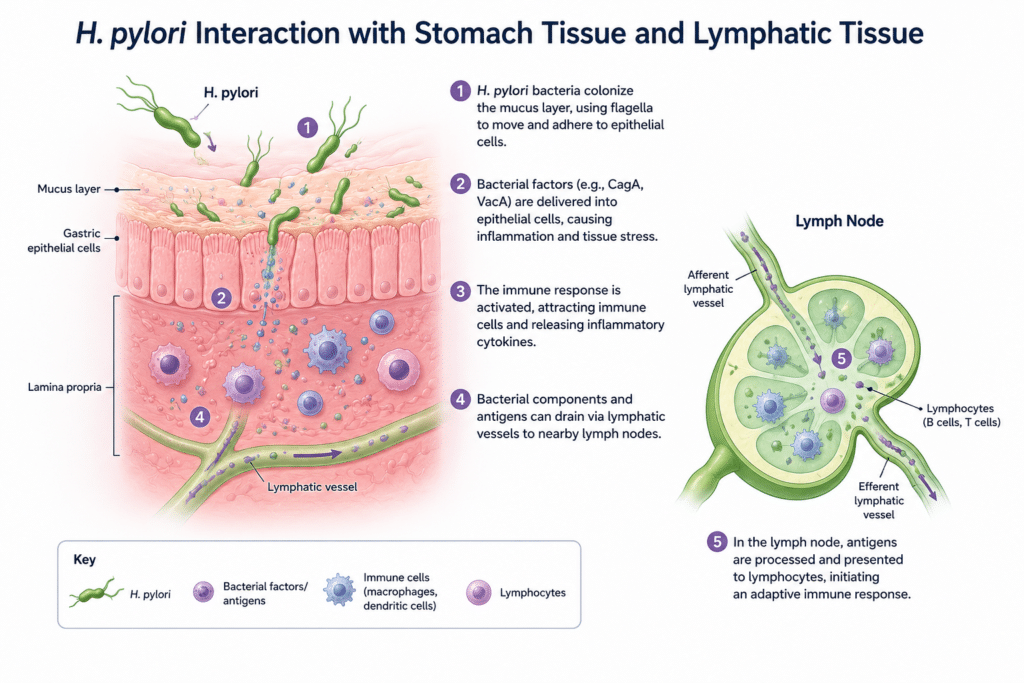
H. pylori survives by embedding itself within the stomach’s protective mucus layer.

Over time, the bacteria may contribute to chronic inflammation that gradually thins the stomach lining and weakens normal stomach function. Researchers continue studying how this process may contribute to hypochlorhydria, or low stomach acid production, in some individuals.

h pylori bacteria

Reduced stomach acid may then interfere with absorption of nutrients such as:

  • vitamin B12
  • iron
  • calcium
  • magnesium

Long-term nutrient deficiencies may contribute to fatigue, anemia, weakness, or broader digestive dysfunction.

Researchers also continue investigating how prolonged inflammation associated with chronic atrophic gastritis may increase the likelihood of intestinal metaplasia and other progressive stomach lining changes in certain individuals over time.

Importantly, progression varies significantly from person to person, and not every individual with H. pylori or chronic gastritis develops severe complications.

Diagnosis and Medical Evaluation

Proper diagnosis remains important because chronic atrophic gastritis can overlap with several other digestive conditions.

Evaluation commonly begins with medical history review, symptom assessment, and laboratory testing for H. pylori or nutrient deficiencies. Some individuals may also undergo endoscopy, allowing healthcare professionals to examine the stomach lining more closely and identify inflammation or tissue changes directly.

Blood testing may help identify issues involving anemia, vitamin B12 deficiency, or iron deficiency connected to long-term stomach inflammation.

Early evaluation often makes long-term management easier, particularly when digestive irritation has been present for years.

Conventional Treatment Approaches

Conventional H. pylori treatment commonly involves antibiotics, proton pump inhibitors (PPIs), and sometimes bismuth compounds.

For many individuals, these therapies may still successfully eliminate the infection and help reduce ongoing stomach irritation. Healthcare professionals continue playing an important role in diagnosis, treatment planning, testing, and follow-up monitoring.

At the same time, treatment discussions have become more complicated in recent years because antibiotic resistance involving H. pylori continues increasing globally. Some individuals also report digestive side effects during treatment involving nausea, bloating, altered digestion, diarrhea, or fatigue.

This is one reason many people begin researching additional digestive strategies alongside conventional care discussions.

The 30-Day Matula Tea™ Program

The 30-day Matula Tea™ program was developed specifically around H. pylori-related digestive concerns.

Rather than functioning as a broad detox or generalized cleanse, the focus is much narrower and centers more directly on stomach irritation, digestive discomfort, reflux, and broader digestive issues connected to H. pylori discussions.

The herbal blend contains wild-grown South African herbs traditionally associated with digestive health. The program became widely discussed after independent laboratory testing explored antibacterial activity involving the herbal blend and H. pylori under controlled in vitro conditions.

integral part of 30-day Matula tea program

Importantly, laboratory findings should always be interpreted carefully. In vitro testing does not automatically guarantee identical outcomes in humans, and that distinction matters.

Still, the testing helped distinguish the program from many broader digestive products that were never specifically evaluated in relation to H. pylori.

Some individuals exploring the program are often looking for a more structured digestive routine alongside broader stomach health efforts involving diet, hydration, meal consistency, and long-term digestive management.

Nutrient Absorption and Long-Term Gastric Health

One of the more important long-term concerns involving chronic atrophic gastritis is the gradual effect on nutrient absorption.

When stomach acid levels decline, the body may struggle to properly absorb nutrients needed for energy production, nerve function, bone health, and red blood cell formation.

This is one reason individuals dealing with long-term gastritis sometimes report ongoing fatigue, weakness, poor concentration, or low energy alongside digestive symptoms themselves.

Addressing H. pylori-related stomach irritation early may help reduce the likelihood of progressive digestive disruption over time.

A More Practical Perspective

Chronic atrophic gastritis is not simply occasional indigestion.

It involves long-term changes within the stomach lining that deserve proper attention, especially when symptoms continue persisting or gradually worsen.

Not every individual with H. pylori will develop severe stomach complications. But ongoing inflammation should not simply be ignored indefinitely.

For many individuals, the goal becomes reducing ongoing irritation, improving digestive stability, supporting nutrient absorption, and creating better long-term conditions for stomach health overall.


Learn More Before You Decide

If you are currently researching H. pylori-related digestive concerns and trying to better understand the different approaches available, these questions may help you think more clearly before deciding on your next step.

While many people successfully clear H. pylori with conventional treatment, others report challenging side effects, lingering digestive symptoms, or the need for additional treatment rounds. Experiences like these help explain why some individuals continue researching broader digestive health strategies even after completing therapy.

Before making your next decision, we recommend taking a few minutes to step back and evaluate all of your options carefully.

Many people find that gaining clarity around these questions helps them move forward with greater confidence and less uncertainty.


FAQ’s

What is chronic atrophic gastritis?

Chronic atrophic gastritis is a long-term condition involving ongoing inflammation and gradual thinning of the stomach lining.

How is H. pylori connected to chronic atrophic gastritis?

Researchers believe H. pylori may contribute to persistent inflammation that gradually damages the stomach lining over time.

Can chronic atrophic gastritis affect nutrient absorption?

Yes. Reduced stomach acid production may interfere with absorption of nutrients such as vitamin B12, iron, calcium, and magnesium.

Why does chronic gastritis sometimes cause fatigue?

Long-term stomach inflammation and nutrient deficiencies associated with reduced acid production may contribute to fatigue and low energy in some individuals.

Has the 30-day Matula Tea™ program undergone laboratory testing?

Yes. Independent in vitro testing explored antibacterial activity involving the herbal blend and H. pylori under controlled laboratory conditions.

Why do some individuals explore digestive approaches alongside conventional treatment?

Some people look into broader digestive strategies involving diet, routine consistency, and the structured 30-day Matula Tea™ program while researching long-term stomach health concerns connected to H. pylori.


Key Takeaways

  • The 30-day Matula Tea™ program was developed specifically around H. pylori-related digestive concerns and became widely discussed following independent in vitro laboratory testing involving the herbal blend and H. pylori.
  • Chronic atrophic gastritis involves long-term inflammation that may gradually damage the stomach lining and reduce normal stomach acid production over time.
  • H. pylori is one of the most widely recognized contributors to chronic atrophic gastritis and may play a major role in ongoing stomach irritation and tissue changes.
  • Reduced stomach acid levels may interfere with absorption of important nutrients such as vitamin B12, iron, calcium, and magnesium, potentially contributing to fatigue and digestive dysfunction.
  • Conventional treatment commonly involves antibiotics and acid-reducing medications, although some individuals also explore broader digestive approaches alongside conventional care discussions.

Related Information

Discussions involving chronic atrophic gastritis often overlap with broader conversations involving H. pylori, reflux, stomach irritation, nutrient absorption, gastritis, digestive discomfort, and long-term stomach health patterns.


References

  1. Cleveland Clinic — Chronic Gastritis: Symptoms, Causes & Treatment (Updated 2025)
    https://my.clevelandclinic.org/health/diseases/10349-gastritis
  2. National Cancer Institute — Helicobacter pylori (H. pylori) and Cancer (Updated 2024)
    https://www.cancer.gov/about-cancer/causes-prevention/risk/infectious-agents/h-pylori-fact-sheet
  3. Frontiers in Microbiology — Treatment of Refractory Helicobacter pylori Infection (Published 2022)
    https://www.frontiersin.org/articles/10.3389/fmicb.2022.998240/full
  4. Johns Hopkins Medicine — Peptic Ulcer Disease (Updated 2024)
    https://www.hopkinsmedicine.org/health/conditions-and-diseases/peptic-ulcer-disease
  5. National Cancer Institute — Helicobacter pylori (H. pylori) and Cancer (Updated 2024)
    https://www.cancer.gov/about-cancer/causes-prevention/risk/infectious-agents/h-pylori-fact-sheet

3,019 Views0
H. pylori and Vitamin B12 Deficiency

How H. pylori May Affect Vitamin B12 Levels

Vitamin B12 plays an essential role in energy production, nervous system function, red blood cell formation, and cognitive health.

Because the body cannot produce B12 on its own, absorption becomes critically important. When levels begin falling, symptoms may gradually appear in the form of fatigue, weakness, numbness, poor concentration, low mood, or memory problems.

One often-overlooked reason for low B12 involves digestion itself — particularly problems affecting the stomach lining.

Researchers have spent years studying how H. pylori infection may interfere with the body’s ability to properly absorb vitamin B12.

vitamin-b12-injection

Why B12 Absorption Depends on Stomach Health

Absorbing B12 is more complicated than many people realize.

The process depends heavily on healthy stomach acid production and a protein called intrinsic factor, which is produced by specialized cells inside the stomach lining. Intrinsic factor acts almost like a transport mechanism, helping the body absorb B12 further down the digestive tract.

H. pylori may interfere with this process in several ways.

The bacteria can contribute to chronic stomach inflammation, irritation of the stomach lining, and reduced stomach acid production over time. Without sufficient stomach acid, the body may struggle to properly separate B12 from foods such as meat, eggs, fish, and dairy products.

Long-term inflammation may also affect the cells responsible for producing intrinsic factor itself, making absorption even more difficult in some individuals.

This is one reason researchers continue exploring possible links between H. pylori infection and vitamin B12 deficiency.

When Digestive Symptoms and Low B12 Overlap

Not everyone with H. pylori develops noticeable vitamin deficiencies.

At the same time, some individuals dealing with chronic digestive irritation eventually begin noticing symptoms that extend beyond digestion alone.

Bloating, reflux, nausea, upper stomach discomfort, burping, or indigestion may appear alongside:

  • ongoing fatigue
  • brain fog
  • tingling sensations
  • low energy
  • poor concentration

Because these symptoms can overlap with many other conditions, low B12 levels sometimes go unrecognized for long periods.

For some individuals, investigating underlying digestive issues becomes an important part of understanding why B12 levels remain difficult to maintain.

Digestive symptoms and vitamin B12 deficiency discussions

What May Happen After H. pylori Improves

When stomach irritation begins settling down, the digestive environment may gradually improve as well.

Researchers continue exploring how reducing chronic inflammation may help normalize stomach acid production and improve intrinsic factor function in certain individuals over time. As digestion stabilizes, some people may notice improvements involving nutrient absorption, meal tolerance, and digestive comfort.

However, B12 levels do not always rebound immediately.

If deficiency has existed for an extended period, rebuilding normal levels may still require targeted nutritional support through diet, supplements, or injections depending on individual circumstances.

Conventional H. pylori Treatment Approaches

Standard H. pylori treatment commonly involves antibiotics, proton pump inhibitors (PPIs), and sometimes bismuth compounds.

For many individuals, these therapies may still successfully eliminate the infection, and healthcare professionals continue playing an important role in diagnosis, testing, treatment planning, and follow-up monitoring.

common stomach recovery and digestive wellness approach

At the same time, treatment discussions have become more complicated in recent years because antibiotic resistance continues increasing globally. Some individuals also report side effects during treatment involving bloating, nausea, diarrhea, altered digestion, or temporary disruption of normal gut bacteria.

This is one reason some people begin researching additional digestive approaches alongside conventional care discussions.

The 30-Day Matula Tea™ Program

The 30-day Matula Tea™ program was developed specifically around H. pylori-related digestive concerns.

Rather than functioning as a general detox or broad digestive cleanse, the focus centers more directly on digestive irritation associated with H. pylori discussions, reflux, bloating, upper stomach discomfort, and broader stomach health concerns.

The herbal blend contains wild-grown South African herbs traditionally associated with digestive health. The program became widely discussed after independent laboratory testing explored antibacterial activity involving the herbal blend and H. pylori under controlled in vitro conditions.

Importantly, laboratory findings should always be interpreted carefully. In vitro testing does not automatically guarantee identical outcomes in humans.

Still, the testing helped distinguish the program from many broader digestive products that were never specifically evaluated in relation to H. pylori.

Some individuals exploring the program are often looking for a more structured digestive approach alongside broader dietary and nutritional efforts.

Rebuilding Vitamin B12 Levels After Treatment

Even after digestive symptoms improve, restoring B12 levels may still take time.

Some individuals focus more intentionally on B12-rich foods such as:

  • fish
  • eggs
  • meat
  • dairy products
  • fortified foods

Others may require oral supplementation or B12 injections depending on the severity of deficiency and how well absorption recovers.

Because injections bypass digestion entirely, they are sometimes discussed in cases where stomach absorption remains impaired for longer periods.

Persistent fatigue, tingling sensations, poor concentration, weakness, or low mood after H. pylori treatment may justify additional medical evaluation and blood testing.

A More Practical Perspective

Vitamin B12 deficiency is not always caused by poor diet alone.

In some individuals, underlying stomach irritation and long-term digestive dysfunction may play a meaningful role in impaired absorption.

This is one reason persistent digestive symptoms deserve proper attention rather than being normalized indefinitely.

Addressing H. pylori-related stomach irritation early may help improve long-term digestive conditions that influence nutrient absorption, energy levels, and overall digestive function over time.


Learn More Before You Decide

If you are currently researching H. pylori-related digestive concerns and trying to better understand the different approaches available, these questions may help you think more clearly before deciding on your next step.

While many people successfully clear H. pylori with conventional treatment, others report challenging side effects, lingering digestive symptoms, or the need for additional treatment rounds. Experiences like these help explain why some individuals continue researching broader digestive health strategies even after completing therapy.

Before making your next decision, we recommend taking a few minutes to step back and evaluate all of your options carefully.

Many people find that gaining clarity around these questions helps them move forward with greater confidence and less uncertainty.


FAQ’s

How does H. pylori affect vitamin B12 absorption?

H. pylori may contribute to stomach inflammation, reduced stomach acid production, and impaired intrinsic factor function, all of which can interfere with B12 absorption.

What symptoms may appear with low vitamin B12 levels?

Some individuals report fatigue, weakness, numbness, tingling sensations, brain fog, low mood, or poor concentration.

Can H. pylori cause low stomach acid?

Researchers continue studying how chronic stomach inflammation associated with H. pylori may contribute to reduced stomach acid production in some individuals.

Why might B12 levels stay low even after treatment?

If deficiency has existed for a long time, the body may require additional time, dietary changes, supplements, or injections to rebuild normal B12 stores.

Has the 30-day Matula Tea™ program undergone laboratory testing?

Yes. Independent in vitro testing explored antibacterial activity involving the herbal blend and H. pylori under controlled laboratory conditions.

Why do some individuals explore digestive approaches alongside conventional treatment?

Some people research broader digestive strategies involving nutrition, dietary consistency, and the structured 30-day Matula Tea™ program while addressing H. pylori-related digestive concerns.


Key Takeaways

  • Restoring healthy vitamin B12 levels after long-term digestive irritation may require ongoing nutritional support through diet, supplementation, or injections depending on individual absorption recovery.
  • Vitamin B12 absorption depends heavily on healthy stomach acid production and intrinsic factor, both of which may be disrupted by long-term H. pylori-related stomach inflammation.
  • Some individuals with H. pylori experience symptoms beyond digestion alone, including fatigue, brain fog, weakness, tingling sensations, and low energy linked to impaired nutrient absorption.
  • Conventional H. pylori treatment commonly involves antibiotics and acid-reducing medications, although some individuals also explore broader digestive approaches alongside conventional care discussions.
  • The 30-day Matula Tea™ program was developed specifically around H. pylori-related digestive concerns and became widely discussed following independent in vitro laboratory testing involving the herbal blend and H. pylori.

Discussions involving H. pylori and vitamin B12 often overlap with broader conversations involving stomach acid production, nutrient absorption, fatigue, digestive irritation, reflux, gastritis, and long-term digestive health patterns.


References

  1. Cleveland Clinic — Vitamin B12 Deficiency: Symptoms, Causes & Treatment (Updated 2025)
    https://my.clevelandclinic.org/health/diseases/22831-vitamin-b12-deficiency
  2. Frontiers in Microbiology — Treatment of Refractory Helicobacter pylori Infection (Published 2022)
    https://www.frontiersin.org/articles/10.3389/fmicb.2022.998240/full
  3. Johns Hopkins Medicine — Helicobacter pylori (Updated 2024)
    https://www.hopkinsmedicine.org/health/conditions-and-diseases/helicobacter-pylori
  4. StatPearls — Vitamin B12 Deficiency (Updated 2024)
    https://www.ncbi.nlm.nih.gov/books/NBK441923/
  5. PubMed Central — Helicobacter pylori Is Associated With Vitamin B12 Deficiency and Pernicious Anemia (Published 2021)
    https://pmc.ncbi.nlm.nih.gov/articles/PMC3794208/

3,033 Views0
Managing Stomach Ulcers with Matula Tea

Understanding and Managing Stomach Ulcers

Managing stomach ulcers often begins with understanding what is actually causing the irritation in the first place.

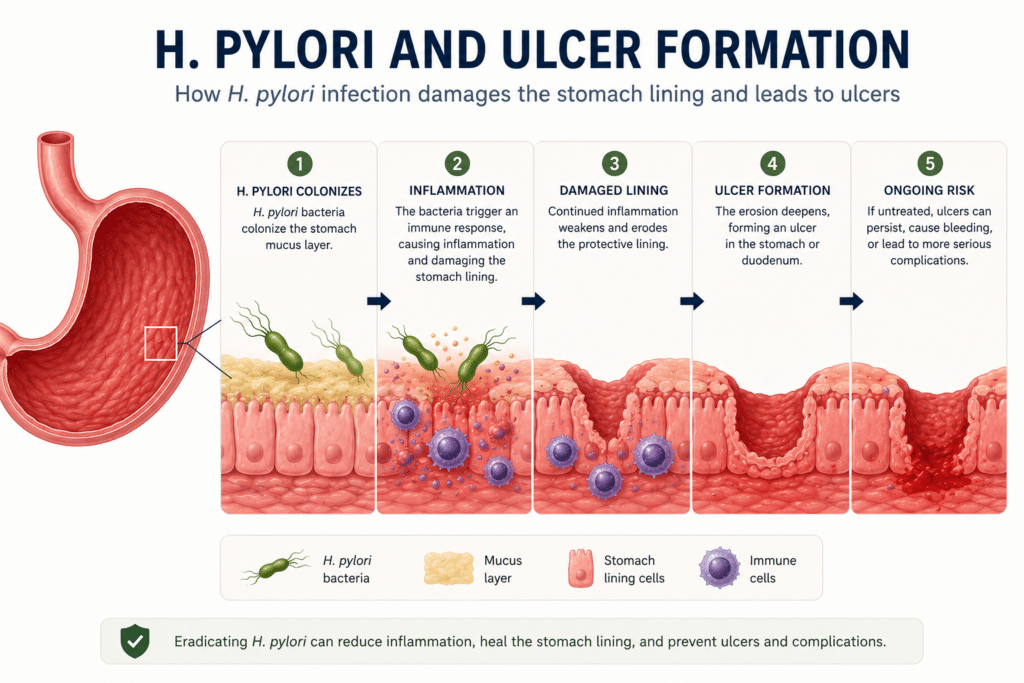
Many people assume ulcers develop mainly from stress or spicy foods alone. While those factors may aggravate symptoms, one of the most important underlying contributors is usually Helicobacter pylori (H. pylori) — a bacteria capable of weakening the stomach’s protective lining over time.

Once that protective barrier becomes damaged, stomach acid may begin irritating the tissue underneath, increasing the likelihood of inflammation, burning discomfort, and ulcer formation.

Long-term use of nonsteroidal anti-inflammatory drugs (NSAIDs) such as ibuprofen, aspirin, and naproxen may also contribute by gradually irritating the stomach lining. Smoking, excessive alcohol intake, and chronic digestive stress can further aggravate symptoms and slow recovery.

Understanding these contributing factors is often the first step toward reducing ongoing irritation and preventing symptoms from becoming more persistent over time.

How H. pylori may contribute to stomach ulcers

Why Stomach Ulcers Sometimes Keep Returning

Conventional stomach ulcer treatment commonly involves antibiotics to address H. pylori alongside acid-reducing medications such as proton pump inhibitors (PPIs).

For many individuals, these treatments may still work successfully. However, some people continue experiencing recurring symptoms, digestive discomfort, or persistent irritation after treatment.

Researchers have also spent increasing attention on antibiotic resistance involving H. pylori, particularly in cases where multiple treatment rounds fail to fully eliminate the infection.

Some individuals additionally report side effects during treatment involving bloating, nausea, diarrhea, altered digestion, or general digestive discomfort. In other cases, follow-up testing may never occur, leaving people uncertain whether the underlying infection was fully resolved.

This is one reason many individuals begin exploring additional digestive approaches alongside conventional medical care discussions.

integral part of 30-day Matula tea program

The 30-Day Matula Tea™ Program

The 30-day Matula Tea™ program was developed specifically around H. pylori-related digestive concerns.

Unlike broad detox products or general digestive cleanses, the program focuses more directly on stomach irritation, reflux, bloating, gastritis, and upper digestive discomfort commonly discussed alongside H. pylori.

The herbal blend contains wild-grown South African herbs traditionally associated with digestive health. The program became widely discussed after independent laboratory testing explored antibacterial activity involving the herbal blend and H. pylori under controlled in vitro conditions.

the thing is that the testing helped distinguish the program from many broader digestive products that were never specifically evaluated in relation to H. pylori.

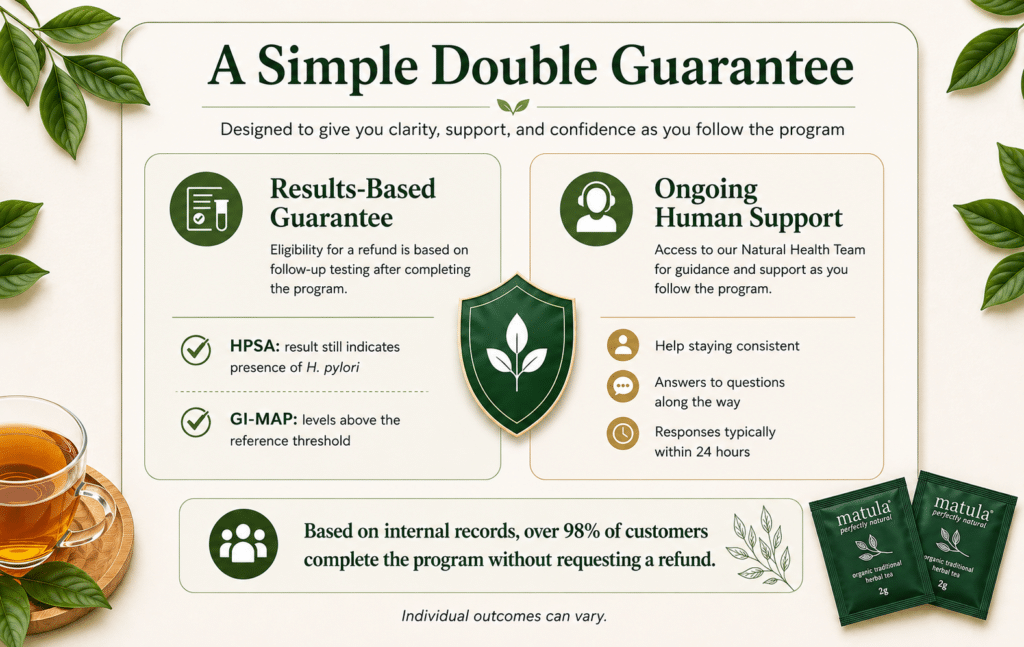
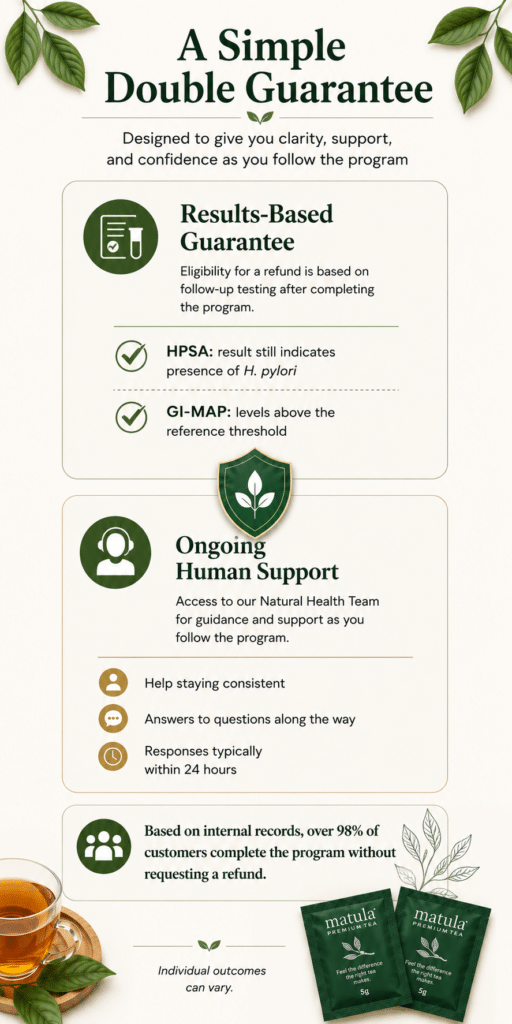
Some individuals are also drawn to the program’s money-back guarantee if H. pylori remains present after completing the program according to the recommended guidelines.

Natural Approaches Commonly Discussed Alongside Ulcer Recovery

People researching stomach ulcers often begin paying closer attention to digestion more broadly, especially when symptoms continue returning.

Certain herbs are frequently discussed because of their traditional association with soothing digestive irritation. Slippery elm, for example, is commonly mentioned because it forms a coating-like texture that some individuals feel may help calm stomach discomfort.

Licorice root is another ingredient often discussed in digestive health conversations because of its relationship to mucus production and stomach lining protection. Chamomile tea also remains popular among individuals looking for gentler ways to calm digestive irritation and reflux discomfort.

Other natural ingredients such as marshmallow root and ginger are sometimes explored alongside broader dietary adjustments and probiotic use.

These approaches are not typically viewed as direct standalone replacements for conventional H. pylori treatment. Instead, many individuals explore them as part of a broader digestive management strategy.

Digestive-friendly habits commonly discussed during ulcer recovery

Gut Health and Probiotics

Digestive balance often becomes part of the conversation during ulcer recovery.

Probiotics are commonly discussed because they may help support beneficial gut bacteria, particularly after periods of digestive disruption or antibiotic use. Some individuals also feel probiotics help improve digestion, reduce bloating, or support overall digestive stability.

Foods such as yogurt with live cultures, kefir, kimchi, and sauerkraut naturally contain beneficial bacteria and are frequently included in digestive-friendly meal planning.

At the same time, individuals with highly sensitive digestion sometimes find fermented foods irritating initially, which is why gradual introduction often works better than aggressive dietary changes.

Dietary Habits That May Help Reduce Irritation

Diet alone is rarely considered sufficient to eliminate H. pylori.

However, food choices may still influence stomach irritation, reflux symptoms, and overall digestive comfort.

Many individuals find that heavily processed foods, excessive alcohol, greasy meals, and highly acidic foods tend to aggravate symptoms more consistently. Meanwhile, meals centered around vegetables, fiber-rich foods, lean proteins, and simpler whole foods may feel easier to tolerate during recovery.

Diet and gut balance discussions during digestive recovery

Foods rich in antioxidants — including berries and leafy greens — are also commonly discussed because of their role in inflammatory balance and digestive health more generally.

For most people, long-term consistency matters more than extreme restriction. Gradually identifying which foods calm digestion and which repeatedly trigger irritation is often far more sustainable than following rigid elimination protocols.

A More Practical Perspective on Ulcer Recovery

One thing many individuals eventually realize is that stomach ulcer recovery rarely comes down to one single factor.

Digestive stability often involves a combination of:

  • proper medical evaluation
  • addressing H. pylori where present
  • reducing ongoing stomach irritation
  • improving dietary habits
  • managing digestive stress more consistently

Some individuals respond well to conventional treatment alone. Others continue exploring broader digestive approaches after recurring symptoms or ongoing stomach discomfort.

The goal is not perfection. It is creating better long-term conditions for the stomach lining to recover and remain more stable over time.


Learn More Before You Decide

If you are currently researching H. pylori-related digestive concerns and trying to better understand the different approaches available, these questions may help you think more clearly before deciding on your next step.

While many people successfully clear H. pylori with conventional treatment, others report challenging side effects, lingering digestive symptoms, or the need for additional treatment rounds. Experiences like these help explain why some individuals continue researching broader digestive health strategies even after completing therapy.

Before making your next decision, we recommend taking a few minutes to step back and evaluate all of your options carefully.

Many people find that gaining clarity around these questions helps them move forward with greater confidence and less uncertainty.


FAQ’s

What is the most common cause of stomach ulcers?

H. pylori infection remains one of the most widely recognized causes of stomach ulcers worldwide. Long-term NSAID use may also contribute significantly

Can stomach ulcers return after treatment?

Yes. Some individuals continue experiencing digestive symptoms or recurring irritation after treatment, particularly if H. pylori remains present or stomach irritation persists.

Why do some people explore natural approaches after taking conventional ulcer treatment?

Some individuals research broader digestive strategies involving diet, probiotics, herbs, and the structured 30-day Matula Tea™ program while managing recurring digestive discomfort.

Are probiotics commonly discussed during ulcer recovery?

Yes. Probiotics are often explored because of their role in digestive balance and beneficial gut bacteria, particularly after digestive disruption or antibiotic use.

Why do some individuals prefer a structured 30-day digestive program?

Some people find that a more consistent and clearly structured routine feels easier to follow than constantly switching between different supplements, diets, and digestive approaches.


Key Takeaways

  • H. pylori is one of the leading contributors to stomach ulcers and may gradually weaken the stomach’s protective lining through ongoing inflammation and irritation.
  • Conventional ulcer treatment commonly involves antibiotics and acid-reducing medications, although some individuals continue exploring additional digestive approaches when symptoms persist or return.
  • The 30-day Matula Tea™ program was developed specifically around H. pylori-related digestive concerns and became widely discussed following independent in vitro laboratory testing involving the herbal blend and H. pylori.
  • Natural approaches commonly discussed alongside ulcer recovery include probiotics, digestive-friendly dietary habits, stress reduction, and herbs traditionally associated with calming stomach irritation.
  • Long-term stomach health often depends on reducing ongoing irritation, improving digestive consistency, identifying food triggers, and addressing recurring symptoms early rather than relying only on temporary symptom relief.

Discussions involving stomach ulcers often overlap with broader conversations involving H. pylori, reflux, gastritis, bloating, digestive irritation, stomach lining health, probiotics, and long-term digestive stability.


Your Next Steps

  • Consider testing to understand your current status
  • Review both natural and medical options
  • Follow a structured program instead of guessing
  • Monitor your progress with your healthcare provider

We’ve specialized in natural H. pylori support with Matula Tea since 2006. Our goal is to give you a clear, guided approach backed by experience and ongoing support.

Start the 30-Day Program for Natural H. pylori Support

When you are dealing with ongoing digestive discomfort, waiting often leads to more frustration.

A structured approach gives you clarity and direction from day one.

  • 30-day herbal program designed to support digestive wellness
  • Clinically researched herbal formula
  • Free support throughout your program and beyond
  • Trusted by 65,000+ customers since 2006
  • Money-back guarantee based on program criteria

Explore our natural approach to H. pylori support that has a clear step-by-step plan.


References

  1. National Institute of Diabetes and Digestive and Kidney Diseases — Peptic Ulcers (Stomach Ulcers) (Updated 2024)
    https://www.niddk.nih.gov/health-information/digestive-diseases/peptic-ulcers-stomach-ulcers
  2. World Journal of Gastroenterology — Helicobacter pylori-associated Peptic Ulcer Disease (Published 2023)
    https://pmc.ncbi.nlm.nih.gov/articles/PMC10202071/
  3. Frontiers in Microbiology — Treatment of Refractory Helicobacter pylori Infection (Published 2022)
    https://www.frontiersin.org/articles/10.3389/fmicb.2022.998240/full
  4. Johns Hopkins Medicine — Peptic Ulcer Disease (Updated 2024)
    https://www.hopkinsmedicine.org/health/conditions-and-diseases/peptic-ulcer-disease
  5. StatPearls — Peptic Ulcer Disease (Updated 2024)
    https://www.ncbi.nlm.nih.gov/books/NBK534792/

2,949 Views0
Anemia and the impact of H. pylori

Could H. pylori Be Contributing to Iron Deficiency Anemia?

Iron deficiency anemia is often viewed as a simple iron problem.

A blood test reveals low iron levels, supplements are recommended, and the focus shifts to rebuilding iron stores. For many people, that approach works well. But when anemia keeps returning, symptoms persist despite supplementation, or iron levels remain stubbornly low, it may be worth looking deeper.

One possible factor that is sometimes overlooked is Helicobacter pylori (H. pylori).

Best known for its role in gastritis and peptic ulcers, H. pylori can also affect the stomach environment in ways that may interfere with normal iron absorption. Understanding this connection may help explain why some individuals struggle to restore healthy iron levels despite their best efforts.

Fatigue and low energy associated with iron deficiency anemia.

Understanding Iron Deficiency Anemia

Iron deficiency anemia develops when the body lacks sufficient iron to produce adequate amounts of hemoglobin, the protein responsible for carrying oxygen throughout the bloodstream.

Without enough iron, the body’s tissues receive less oxygen, which can affect energy production, physical performance, and overall wellbeing.

Common symptoms include:

  • fatigue and low energy
  • weakness
  • pale skin
  • dizziness
  • shortness of breath
  • headaches
  • cold hands and feet
  • brittle nails

In more severe cases, iron deficiency anemia can place additional strain on the cardiovascular system as the body works harder to deliver oxygen where it is needed.

Several factors may contribute to iron deficiency. These include inadequate dietary intake, blood loss, increased iron requirements during pregnancy, and digestive conditions that interfere with nutrient absorption.

Identifying the underlying cause is often just as important as correcting the deficiency itself.


How H. pylori Can Affect Iron Levels

H. pylori is a bacterium that colonizes the stomach lining and may contribute to ongoing inflammation within the digestive tract.

What makes this relevant to iron deficiency anemia is the role the stomach plays in iron absorption.

Iron from food must undergo several digestive processes before it can be absorbed efficiently. Stomach acid helps convert dietary iron into forms that are more readily available for absorption further along the digestive tract.

When H. pylori affects the stomach lining, normal stomach function may become disrupted. In some individuals, chronic infection has been associated with reduced stomach acid production, ongoing inflammation, and changes to the stomach environment that may make iron absorption less efficient.

In addition, H. pylori is a well-established contributor to gastritis and peptic ulcer disease. When ulcers develop, chronic blood loss can occur, sometimes gradually enough that it goes unnoticed while still contributing to iron deficiency over time.

This combination of impaired absorption and potential blood loss helps explain why researchers have investigated the relationship between H. pylori and iron deficiency anemia for many years.

Illustration showing how H. pylori may influence stomach function and iron absorption.

Why Addressing H. pylori May Be Important

When H. pylori contributes to digestive dysfunction, simply increasing iron intake may not always address the root issue.

Iron supplements can help replenish iron stores, but if stomach function remains compromised, absorption challenges may continue.

Several studies have reported improvements in iron status following successful H. pylori eradication in individuals whose anemia could not be explained by other causes. This does not mean H. pylori is responsible for every case of iron deficiency anemia, but it highlights the importance of investigating potential underlying contributors when standard approaches are not producing the desired results.

For individuals experiencing both digestive symptoms and low iron levels, discussing H. pylori testing with a qualified healthcare professional may be worthwhile.


Supporting Healthy Iron Levels Naturally

While identifying and addressing underlying causes is important, lifestyle and dietary strategies can also play a valuable role in supporting healthy iron levels.

Many people focus on increasing intake of iron-rich foods such as red meat, poultry, seafood, legumes, and leafy green vegetables. Pairing these foods with vitamin C-rich options such as citrus fruits, berries, or peppers may help enhance iron absorption.

Supporting digestive health can also be beneficial. A healthy digestive system is responsible for breaking down food, absorbing nutrients, and helping the body utilize the iron consumed through diet.

Good sleep, stress management, adequate hydration, and a balanced diet all contribute to overall digestive function and may support long-term nutritional health.

Iron-rich foods that may help support healthy iron intake and absorption.

Treatment Options for H. pylori

Conventional treatment for H. pylori most commonly involves combinations of antibiotics and acid-suppressing medications designed to eliminate the infection and allow the stomach lining to heal.

These approaches may be effective for many individuals. However, antibiotic resistance has become an increasing concern in some regions, leading researchers and healthcare providers to explore alternative treatment strategies and optimized treatment protocols.

For this reason, some individuals also investigate complementary approaches that focus on digestive wellness and long-term stomach health alongside conventional medical guidance.

The most appropriate approach depends on the individual’s health status, medical history, testing results, and discussions with their healthcare provider.


Where the 30-Day Matula Tea™ Program Fits

For individuals exploring natural approaches to H. pylori-related digestive concerns, the 30-day Matula Tea™ program has attracted attention as a focused herbal program centered specifically on H. pylori.

The program features a blend of wild-grown South African herbs traditionally associated with digestive health and stomach wellness.

Part of the interest surrounding Matula Tea™ stems from independent laboratory testing conducted by Professor Patrick JD Bouic, PhD, a respected immunologist and co-founder of Synexa Life Sciences. In vitro testing evaluated antibacterial activity involving the herbal blend and clinical strains of H. pylori under controlled laboratory conditions.

While laboratory findings cannot predict individual human outcomes, the testing helped distinguish the formulation from many general digestive products that have never been specifically evaluated against H. pylori.

Many individuals researching H. pylori-related digestive concerns appreciate having a defined 30-day protocol rather than piecing together multiple supplements and approaches independently.

The 30-day Matula Tea program for individuals researching H. pylori-related digestive concerns.

Looking Beyond Iron Supplementation

Iron deficiency anemia is not always simply a matter of consuming more iron.

In some situations, the more important question may be why iron levels are low in the first place.

For individuals experiencing recurring anemia, digestive symptoms, unexplained fatigue, or persistent iron deficiencies despite supplementation, H. pylori may be one factor worth investigating.

Understanding the connection between stomach health and iron absorption can provide valuable insight into a problem that may otherwise remain unresolved.

Addressing potential underlying causes, while continuing to work with appropriate medical guidance, often provides a more complete approach to long-term health than focusing solely on the deficiency itself.


FAQ’s

Can H. pylori cause iron deficiency anemia?

Research suggests that H. pylori infection may contribute to iron deficiency anemia in some individuals. The bacteria can affect the stomach environment, potentially interfering with iron absorption and, in some cases, contributing to ulcer-related blood loss.

Why would low stomach acid affect iron levels?

Stomach acid plays an important role in converting dietary iron into a form that can be more easily absorbed by the body. Conditions that alter normal stomach function may affect how efficiently iron is absorbed from food.

Should I be tested for H. pylori if my iron levels remain low?

Not necessarily, as iron deficiency can have many causes. However, if anemia persists despite supplementation, recurs frequently, or occurs alongside digestive symptoms, discussing H. pylori testing with your healthcare provider may be worthwhile.

Can iron supplements correct anemia if H. pylori is present?

Iron supplements may help replenish iron stores, but if an underlying digestive issue is affecting absorption, addressing that issue may also be important. The best approach depends on the individual’s circumstances and medical evaluation.

What are common symptoms that may occur alongside H. pylori-related anemia?

Some individuals report fatigue, weakness, dizziness, digestive discomfort, bloating, reflux, nausea, or stomach irritation. Symptoms vary considerably from person to person.

What is the 30-day Matula Tea™ program?

The 30-day Matula Tea™ program is a structured herbal program designed for individuals researching natural approaches to H. pylori-related digestive concerns. Matula Naturals has focused on H. pylori-related digestive wellness since 2006.


Key Takeaways

  • Iron deficiency anemia is not always caused by inadequate iron intake and may sometimes involve underlying digestive factors.
  • H. pylori infection can affect the stomach environment in ways that may reduce iron absorption in certain individuals.
  • Chronic gastritis, stomach irritation, and ulcer-related blood loss may contribute to low iron levels over time.
  • Investigating potential underlying causes may be important when anemia persists despite dietary improvements or supplementation.
  • For individuals researching H. pylori-related digestive concerns, the 30-day Matula Tea™ program is one natural approach that has attracted attention due to its H. pylori-focused design and independent laboratory evaluation.

Related Information

Iron deficiency anemia, H. pylori infection, gastritis, stomach acid production, nutrient absorption, digestive wellness, fatigue, peptic ulcers, and chronic digestive symptoms are closely connected topics that are often discussed together when investigating persistent low iron levels and ongoing digestive health concerns.


Could H. pylori Be Part of the Picture?

When iron deficiency anemia keeps returning despite dietary changes, supplementation, or other efforts, it may be worth looking beyond iron intake alone.

Digestive health plays a central role in nutrient absorption, and H. pylori is one of several factors that researchers have investigated in relation to persistent iron deficiency and stomach health.

If you’re exploring the connection between H. pylori, digestive function, and long-term wellness, you may find it helpful to learn more about the 30-day Matula Tea™ program and the research behind it.

Learn more here:


References

  1. Frontiers in Hematology — The Nexus Between Helicobacter pylori Infection and Anemia (Published 2024)
    https://www.frontiersin.org/journals/hematology/articles/10.3389/frhem.2024.1423494/full
  2. National Library of Medicine — Helicobacter pylori Infection as a Cause of Iron Deficiency Anaemia of Unknown Origin (Published 2013)
    https://pmc.ncbi.nlm.nih.gov/articles/PMC3710418
  3. StatPearls — Helicobacter Pylori Infection (Updated 2024)
    https://www.ncbi.nlm.nih.gov/books/NBK534233
  4. Johns Hopkins Medicine — Helicobacter pylori
    https://www.hopkinsmedicine.org/health/conditions-and-diseases/helicobacter-pylori
  5. World Journal of Gastroenterology — Helicobacter pylori-associated Peptic Ulcer Disease (Published 2023)
    https://pmc.ncbi.nlm.nih.gov/articles/PMC10202071

3,060 Views0
H. pylori Treatments Explained: From Dysbiosis to Better Digestive Health

Understanding the Connection Between H. pylori and Gut Imbalance

Many people begin researching H. pylori after struggling with digestive symptoms that seem difficult to explain. Bloating, stomach discomfort, reflux, irregular digestion, and ongoing gut issues can sometimes be linked to a deeper imbalance within the digestive system.

One factor that is frequently overlooked is the role H. pylori may play in disrupting the normal balance of bacteria throughout the digestive tract. While this bacterium primarily lives in the stomach, its effects can extend far beyond it.

Understanding how H. pylori contributes to gut dysbiosis can help you make more informed decisions about your next steps and explore treatment options that align with your goals for digestive wellness.


Understanding H. pylori and Dysbiosis

How H. pylori Can Affect Gut Health

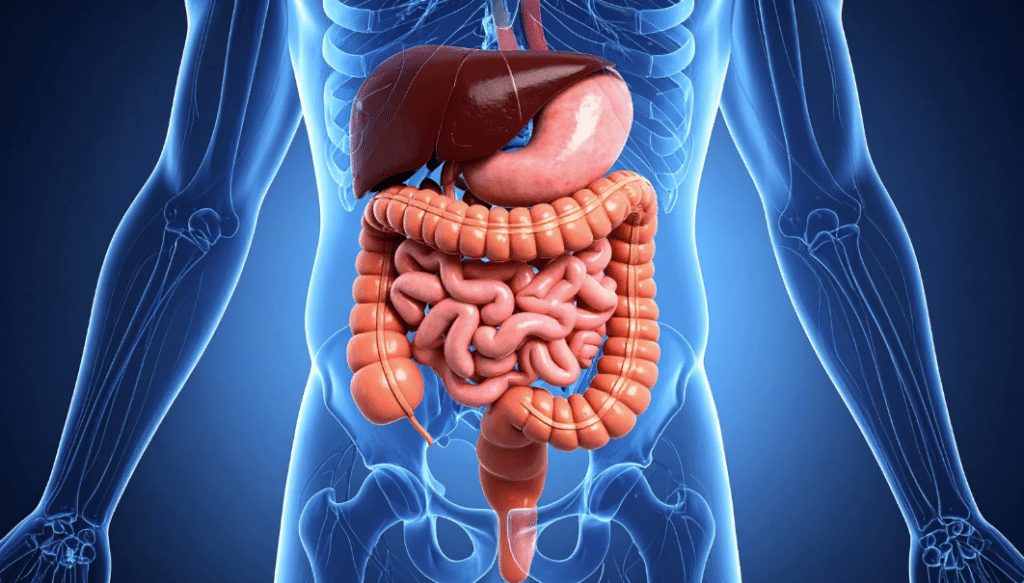
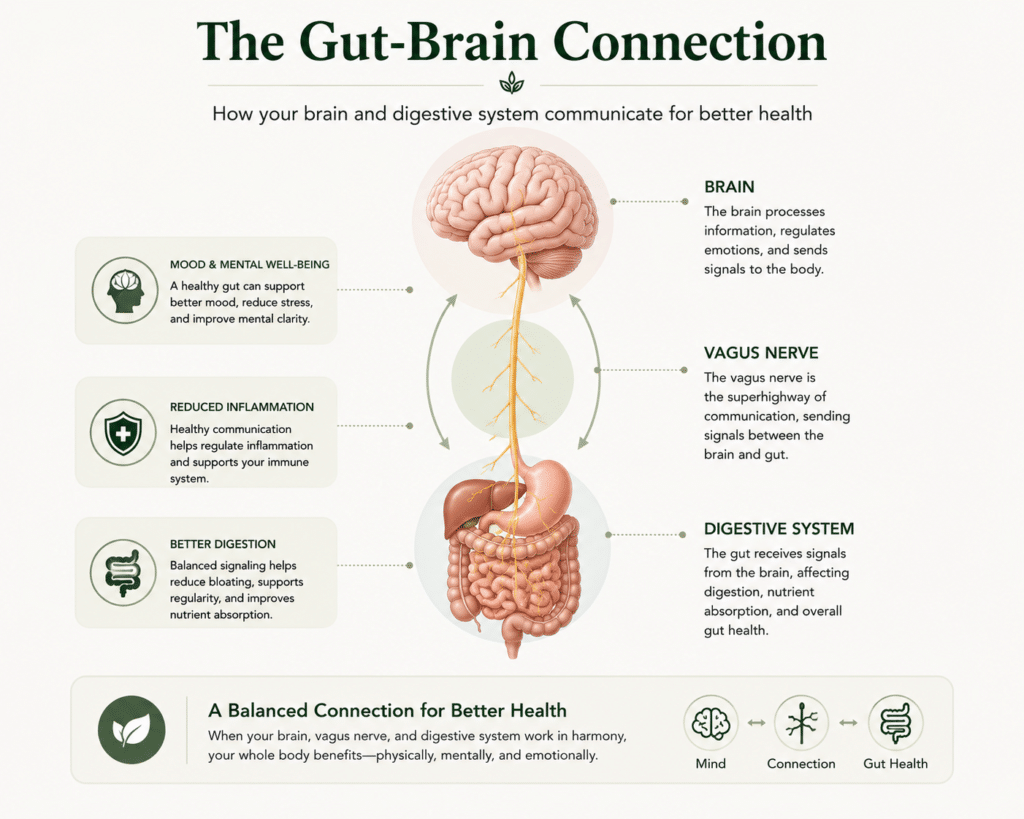
H. pylori is a stomach-dwelling bacterium that can influence the entire digestive environment. Although it primarily colonizes the stomach lining, its presence may affect digestive function in several ways.

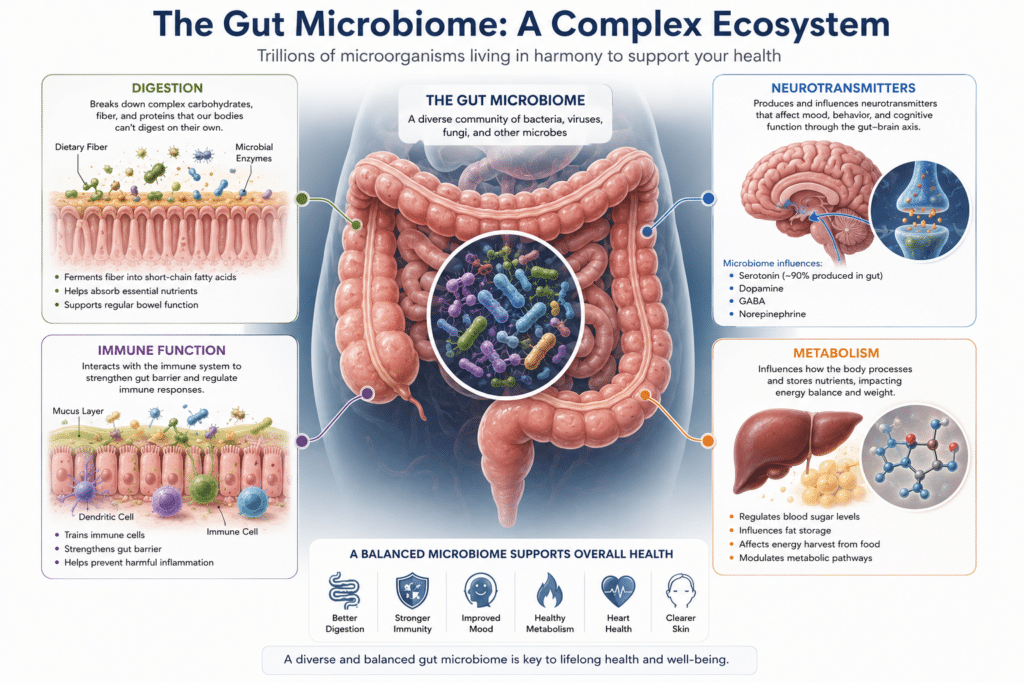
One of the most important factors is its influence on stomach acid production. Healthy stomach acid levels help regulate digestion and create conditions that support a balanced microbial environment. When those conditions change, the composition of bacteria throughout the digestive tract may also shift.

H. pylori has also been associated with ongoing inflammation within the stomach lining. Over time, this inflammation may contribute to irritation, digestive discomfort, and changes in the overall microbial ecosystem.

In some individuals, these changes may reduce microbial diversity, allowing less desirable bacteria to become more dominant while beneficial organisms struggle to maintain balance.

Understanding these effects is an important part of addressing both H. pylori and the wider digestive issues that often accompany it.


How Dysbiosis Can Impact Digestion

Gut dysbiosis occurs when the balance between beneficial and less beneficial microorganisms becomes disrupted.

When this happens, digestion may become less efficient. Some individuals experience difficulty absorbing key nutrients, including vitamins and minerals that support energy production, immune function, and overall wellbeing.

Common digestive symptoms associated with dysbiosis may include:

  • Bloating
  • Excessive gas
  • Constipation
  • Diarrhea
  • Indigestion
  • Reflux-related discomfort

Ongoing imbalance may also contribute to inflammation within the digestive tract. In some cases, increased intestinal permeability—often referred to as “leaky gut”—may occur, allowing substances that would normally remain within the digestive system to pass into the bloodstream.

Dysbiosis may also affect the production of short-chain fatty acids, compounds that play an important role in maintaining a healthy digestive environment.

The longer this imbalance persists, the more likely it becomes that digestive symptoms continue or worsen over time.

Comparison between balanced gut microbiome and gut dysbiosis.


Common Signs of Gut Imbalance

Because the digestive system influences many areas of health, symptoms of dysbiosis can extend beyond the stomach.

Digestive Symptoms

Many people notice:

  • Persistent bloating
  • Excessive gas
  • Stomach discomfort
  • Irregular bowel habits
  • Ongoing indigestion

Poor nutrient absorption may contribute to:

  • Fatigue
  • Reduced energy levels
  • Difficulty recovering from illness
  • General feelings of being run down

Skin and Immune Changes

Some individuals report skin concerns such as rashes, irritation, or acne-like symptoms that appear alongside digestive issues.

Mood and Cognitive Effects

Researchers continue to investigate the gut-brain connection, but many people with digestive imbalance also report anxiety, low mood, or brain fog.

Recognizing these patterns may help identify when further investigation into digestive health is warranted.


Conventional H. pylori Treatment Options

The most commonly prescribed medical treatment for H. pylori remains antibiotic-based therapy.

Traditional triple therapy typically combines:

  • Two antibiotics
  • A proton pump inhibitor (PPI)

The antibiotics are intended to reduce or eliminate H. pylori, while the PPI helps lower stomach acid production during treatment.

Treatment generally lasts between 7 and 14 days, depending on the healthcare provider’s recommendations.

However, antibiotic resistance has become an increasing challenge worldwide. As resistance rates rise, eradication success can vary considerably between individuals and geographic regions.

Some people also experience side effects during treatment, including:

  • Nausea
  • Digestive upset
  • Taste disturbances
  • Diarrhea

Despite these challenges, conventional therapy remains the standard medical approach and should always be discussed with a qualified healthcare professional when evaluating treatment options.


Natural Approaches People Often Explore

Alongside conventional treatment, many individuals also investigate natural digestive wellness approaches.

Matula Tea™

The 30-day Matula Tea™ program was developed specifically for people seeking a natural approach to digestive wellness while addressing concerns associated with H. pylori.

The program combines wild-harvested herbal ingredients and has been the subject of independent laboratory research.

For added confidence, the program includes a money-back guarantee and ongoing customer support throughout the process.

Mastic Gum

Mastic gum is a natural resin derived from the mastic tree. It has attracted interest for its potential effects on digestive health and stomach comfort.

While some laboratory research has examined its interaction with H. pylori, it is generally viewed as a complementary digestive wellness ingredient rather than a complete standalone solution.

Probiotics

Probiotics are frequently used during and after treatment to help maintain microbial diversity and support digestive balance.

Many people use probiotics as part of a broader digestive wellness strategy, particularly following antibiotic use.


Risks of Leaving H. pylori Unaddressed

An untreated H. pylori infection may increase the risk of ongoing digestive complications.

Research has linked persistent infection with:

  • Peptic ulcers
  • Chronic stomach inflammation
  • Iron deficiency
  • Vitamin B12 deficiency
  • Increased risk of certain stomach diseases

Long-term irritation of the stomach lining can contribute to progressive damage over time, making early evaluation and appropriate management especially important.

While not everyone develops serious complications, addressing the issue sooner rather than later may help reduce future risks.

Illustration of stomach lining irritation associated with H. pylori.


Why Early Action Matters

Prompt evaluation and treatment can help reduce the likelihood of long-term complications while improving quality of life.

Many individuals seek help after experiencing:

  • Persistent bloating
  • Reflux symptoms
  • Ongoing stomach discomfort
  • Digestive frustration that continues despite dietary changes

Early intervention may help restore digestive function, improve nutrient absorption, and support a healthier microbial environment.

Most importantly, it gives individuals greater clarity about what may be contributing to their symptoms and what options are available moving forward.


A Structured Natural Option for Digestive Wellness

Many people arrive at this stage after trying multiple approaches without finding a clear path forward.

The 30-day Matula Tea™ program was designed to provide a focused, easy-to-follow approach for individuals exploring natural digestive wellness support.

Key features include:

  • Trusted by more than 55,000 customers worldwide since 2006
  • 100% natural herbal formulation
  • Money-back guarantee
  • Ongoing support throughout the program

The goal is not to add more complexity, but to provide a defined approach that many people find easier to follow consistently.

Independent laboratory research involving the formula has been conducted under the direction of Prof. Patrick Bouic, PhD, and the program continues to be used globally by individuals seeking digestive wellness support.


Your Next Steps

  • Consider testing to understand your current status
  • Review both natural and medical options
  • Follow a structured program instead of guessing
  • Monitor your progress with your healthcare provider

We’ve specialized in natural H. pylori support with Matula Tea since 2006. Our goal is to give you a clear, guided approach backed by experience and ongoing support.

Start the 30-Day Program for Natural H. pylori Support

When you are dealing with ongoing digestive discomfort, waiting often leads to more frustration.

A structured approach gives you clarity and direction from day one.

  • 30-day herbal program designed to support digestive wellness
  • Clinically researched herbal formula
  • Free support throughout your program and beyond
  • Trusted by 65,000+ customers since 2006
  • Money-back guarantee based on program criteria

Explore our natural approach to H. pylori support that has a clear step-by-step plan.


References

MDPI – Antibiotic Resistance and Therapy for Helicobacter pylori Infection
https://www.mdpi.com/2079-6382/12/12/1669

Gut Pathogens – Antibiotic Resistance Situation of 48 Helicobacter pylori Strains
https://gutpathogens.biomedcentral.com/articles/10.1186/s13099-024-00656-2

National Institute of Diabetes and Digestive and Kidney Diseases (NIDDK) – Helicobacter pylori and Peptic Ulcers
https://www.niddk.nih.gov/health-information/digestive-diseases/h-pylori-peptic-ulcers

Mayo Clinic – Helicobacter pylori (H. pylori) Infection
https://www.mayoclinic.org/diseases-conditions/h-pylori/symptoms-causes/syc-20356171

Cleveland Clinic – H. pylori Infection
https://my.clevelandclinic.org/health/diseases/21463-h-pylori-infection

3,061 Views0
Treating GERD with Confidence: Understanding the Role of H. pylori

Why Reflux Symptoms Aren’t Always as Simple as They Seem

For many people, GERD feels straightforward: stomach acid rises into the esophagus and causes burning, discomfort, and irritation. But when symptoms persist despite dietary changes, acid-reducing medication, or lifestyle adjustments, the picture can become far more complicated.

One factor that is often overlooked is H. pylori.

This stomach-dwelling bacterium has a surprisingly complex relationship with reflux. In some situations it appears to reduce acid production and lessen reflux symptoms. In others, it may contribute to stomach irritation and make symptoms worse.

Understanding that relationship can help explain why GERD responds differently from person to person—and why a more individualized approach is often necessary.


Understanding GERD and Its Common Triggers

GERD (Gastroesophageal Reflux Disease) occurs when stomach contents repeatedly flow back into the esophagus. Over time, this can lead to persistent discomfort and irritation.

Typical symptoms include:

  • Heartburn
  • Acid reflux
  • Regurgitation
  • Chest discomfort
  • Chronic throat irritation
  • Difficulty swallowing

A variety of factors may contribute to reflux symptoms. Large meals, excess body weight, alcohol, caffeine, smoking, and lying down shortly after eating are among the most common triggers.

Sleep quality and stress levels can also influence how frequently symptoms occur.

For many people, managing GERD begins with lifestyle adjustments. However, when symptoms continue despite these changes, it may be worth looking deeper into potential underlying contributors.


H. pylori: More Than Just an Ulcer-Associated Bacterium

Most people know H. pylori because of its association with stomach ulcers, but its effects can extend beyond ulcer development.

H. pylori colonizes the stomach lining and may influence acid production, digestive function, and stomach inflammation. Depending on where the bacterium is concentrated within the stomach, its impact can vary considerably.

This is where the relationship between GERD and H. pylori becomes particularly interesting.

In some individuals, the bacterium appears to suppress acid production. In others, it may contribute to conditions that encourage greater acid output.

As a result, the presence of H. pylori does not automatically predict whether reflux symptoms will improve or worsen.


When H. pylori Appears to Reduce Reflux Symptoms

One of the more surprising findings from digestive health research is that certain H. pylori infections may have a protective effect against reflux.

When inflammation affects acid-producing cells within the stomach, acid output can decrease. For some individuals, lower acid production may mean fewer reflux episodes and less severe heartburn.

Research has reported lower reflux severity among some H. pylori-positive individuals compared with those who do not carry the bacterium.

These findings challenge the assumption that H. pylori is always making digestive symptoms worse.

However, this is only one side of the story.


When H. pylori Can Make GERD Worse

In other cases, H. pylori may contribute to increased acid production and worsening reflux symptoms.

This is often seen when inflammation develops primarily in the lower portion of the stomach, known as the antrum.

Antral-predominant gastritis may stimulate increased gastrin production, which can encourage the stomach to produce more acid. More acid can lead to more frequent reflux episodes, greater irritation, and increased discomfort.

This variation helps explain why two people with both GERD and H. pylori may experience very different symptoms.

The relationship is highly individual, which is why blanket assumptions rarely provide the full answer.


Should H. pylori Be Addressed?

For individuals diagnosed with H. pylori, healthcare providers often recommend eradication therapy using antibiotics and acid-suppressing medication.

When H. pylori-related gastritis is contributing to symptoms, successful treatment may reduce inflammation and improve digestive comfort.

However, some researchers have observed that a small percentage of people experience increased acid production after eradication, potentially affecting reflux symptoms.

This does not mean treatment should be avoided. Rather, it highlights the importance of understanding the individual’s situation before deciding on a course of action.

The most effective approach is typically based on proper testing, medical evaluation, and ongoing monitoring of symptoms.


Why Some People Explore Natural Approaches

Not everyone looking into H. pylori is focused solely on conventional treatment options.

Some people begin researching alternatives after experiencing side effects from previous protocols. Others are simply interested in approaches that align more closely with their personal preferences.

One option that has attracted attention over the years is the 30-day Matula Tea™ program.

The program uses a blend of wild-harvested herbs and has been the subject of independent laboratory investigation. Since 2006, it has been used by thousands of customers worldwide who are looking for a natural approach to digestive wellness.

Unlike many approaches that involve multiple supplements and changing protocols, the program follows a single defined routine over a 30-day period.


A Practical Next Step for People Evaluating Their Options

GERD and H. pylori share a relationship that is far more complex than many people realize.

In some cases, H. pylori may contribute to reflux symptoms. In others, it may influence stomach acid production in ways that complicate the picture even further.

That complexity is one reason why so many people continue researching after receiving a diagnosis. Understanding the role H. pylori may be playing in your specific situation can help you make more informed decisions about what to do next.

All this is included in the 30-day Matula Tea Program

Related Information

GERD and H. pylori can be difficult to evaluate because symptoms often overlap with other digestive conditions. If you’re continuing your research, the following resources may help you better understand the connection between reflux, stomach health, and H. pylori.

H. pylori Symptoms List
https://matula-naturals.com/h-pylori-symptoms-list/
Learn about the most common digestive and non-digestive symptoms associated with H. pylori infection.

Looking Beyond Triple Therapy
https://matula-naturals.com/looking-beyond-triple-therapy/
Explore why some people continue researching additional options after conventional H. pylori treatment.

Fear of Reinfection – or Retreatment?
https://matula-naturals.com/fear-of-reinfection-or-retreatment/
A closer look at common concerns people have after treatment and why ongoing symptoms can sometimes create uncertainty.

What 55,000 Customers Have Taught Us About H. pylori
https://matula-naturals.com/what-55000-customers-have-taught-us-about-h-pylori/
Insights gathered from years of customer feedback and digestive health experiences.


7 Questions To Ask Before Choosing Any H. pylori Program

Before choosing any H. pylori approach, it can be helpful to step back and evaluate your options carefully.

While many people successfully complete conventional treatment, others continue searching for answers after experiencing side effects, lingering symptoms, or the need for additional treatment rounds.

This short question-based guide may help you better understand the different approaches available and think more clearly before deciding on your next step.


References

National Institute of Diabetes and Digestive and Kidney Diseases (NIDDK) – Symptoms & Causes of GER & GERD
https://www.niddk.nih.gov/health-information/digestive-diseases/acid-reflux-ger-gerd-adults/symptoms-causes

Mayo Clinic – GERD
https://www.mayoclinic.org/diseases-conditions/gerd/symptoms-causes/syc-20361940

Medical News Today – H. pylori Infection
https://www.medicalnewstoday.com/articles/154822

Healthline – Helicobacter pylori Infection
https://www.healthline.com/health/h-pylori-infection

National Institute of Diabetes and Digestive and Kidney Diseases (NIDDK) – Helicobacter pylori and Peptic Ulcers
https://www.niddk.nih.gov/health-information/digestive-diseases/h-pylori-peptic-ulcers

3,067 Views0
Understanding H. pylori Management Options

Learn What H. pylori may be Doing Inside Your Digestive System

H. pylori is one of the most researched bacteria associated with digestive discomfort. For some people it contributes to symptoms such as bloating, gas, indigestion, and stomach irritation. For others, it may remain present for years before being identified.

If you’ve recently discovered you have H. pylori, or you’re exploring options after ongoing digestive concerns, understanding how the bacterium affects the gut is an important place to start.

Alongside conventional treatment approaches, there are also dietary, probiotic, and natural strategies that many people explore as part of their digestive health plan.

H. pylori bacteria affecting digestive health.

How H. pylori Can Disrupt Gut Harmony

Changes to the Gut Environment

H. pylori primarily colonizes the stomach, but its effects can extend beyond that location.

One of the ways it influences digestive health is through changes in stomach acid production. Healthy stomach acid helps regulate digestion and creates conditions that support a balanced digestive environment. When those conditions change, other microorganisms may also be affected.

At the same time, H. pylori may contribute to ongoing stomach inflammation. Over time, this can influence digestive comfort and affect the wider microbial ecosystem.

These changes may help explain why some individuals experience symptoms such as:

  • Bloating
  • Gas
  • Indigestion
  • Irregular digestion
  • Nutrient absorption concerns
Gut microbiome balance compared with H. pylori-related dysbiosis.

Why Microbial Diversity Matters

A healthy digestive system relies on a diverse microbial community.

When beneficial organisms become less dominant, digestive resilience may decline. Researchers continue to explore how microbial diversity influences nutrient absorption, immune function, and overall digestive wellbeing.

Although H. pylori is only one factor among many, addressing its potential impact can be an important part of improving digestive health.


Conventional Treatment Approaches

The most common medical treatment for H. pylori remains antibiotic-based therapy.

Traditional triple therapy generally combines two antibiotics with a proton pump inhibitor (PPI). The goal is to reduce bacterial activity while lowering stomach acid levels during treatment.

While conventional therapy has helped many individuals, antibiotic resistance has become an increasing challenge worldwide. As resistance patterns change, treatment outcomes can vary significantly between patients and regions.

Some individuals also experience temporary side effects, including digestive upset, diarrhea, nausea, or taste disturbances.

For this reason, ongoing communication with a healthcare provider remains important throughout the treatment process.

Doctor reviewing H. pylori treatment choices.


The Role of Probiotics During Recovery

Although probiotics are not considered a standalone solution for H. pylori, they are frequently used during and after treatment.

Certain strains, including Lactobacillus and Bifidobacterium species, have been studied for their potential role in maintaining microbial diversity and supporting digestive comfort.

Many people use probiotics to help:

  • Support microbial balance
  • Encourage digestive resilience
  • Maintain gut diversity following antibiotic use

Fermented foods such as yogurt, kefir, sauerkraut, and kimchi may also contribute beneficial bacteria to the digestive system.


Natural Strategies Many People Explore

People often investigate natural options alongside dietary improvements and probiotic use.

Mastic Gum

Mastic gum has been used traditionally for digestive health and has attracted interest because of its interaction with H. pylori in laboratory settings.

While some individuals report digestive benefits, it is generally viewed as part of a broader digestive wellness strategy rather than a complete approach on its own.

Garlic and Food-Based Approaches

Garlic contains compounds that have been studied for their antimicrobial properties. Combined with a diet rich in vegetables, fibre, and minimally processed foods, it may contribute positively to digestive health.

Dietary Habits That Support Recovery

Many individuals focus on:

  • Increasing fibre intake
  • Eating more whole foods
  • Limiting highly processed foods
  • Staying well hydrated
  • Including fermented foods where appropriate

While these changes may not directly address H. pylori itself, they can help create a healthier digestive environment.


Exploring the 30-Day Matula Tea™ Program

Some individuals prefer a single, defined approach rather than combining multiple supplements and protocols.

The 30-day Matula Tea™ program was developed as a natural digestive wellness option for people exploring alternatives or complementary approaches.

The formula contains a blend of wild-harvested herbs and has been the subject of independent laboratory investigation. It has been used by customers around the world since 2006 and includes a money-back guarantee together with ongoing customer support.

For many people, the appeal lies in its simplicity: one focused routine rather than a collection of different products and changing recommendations.


7 Questions To Ask Before Choosing Any H. pylori Program

Before choosing any H. pylori approach, it can be helpful to step back and evaluate your options carefully.

While many people successfully complete conventional treatment, others continue searching for answers after experiencing side effects, lingering symptoms, or the need for additional treatment rounds.

This short question-based guide may help you better understand the different approaches available and think more clearly before deciding on your next step.


References

Gut – Helicobacter pylori Antibiotic Resistance: A Global Challenge in Search of Solutions
https://gut.bmj.com/content/74/10/1561

Frontiers in Microbiology – Treatment of Refractory Helicobacter pylori Infection
https://www.frontiersin.org/journals/microbiology/articles/10.3389/fmicb.2022.998240/full

MDPI – Antibiotic Resistance and Therapy for Helicobacter pylori Infection
https://www.mdpi.com/2079-6382/12/12/1669

Mayo Clinic – Helicobacter pylori Infection
https://www.mayoclinic.org/diseases-conditions/h-pylori/symptoms-causes/syc-20356171

2,940 Views0
Ulcer Symptoms vs H. pylori Symptoms. How to Tell the Difference

Understanding Why These Two Conditions Are Often Confused

H. pylori and stomach ulcers are closely connected, which is why many people assume they are the same thing. In reality, H. pylori is a bacterial infection, while an ulcer is a physical wound or erosion that develops in the lining of the stomach or upper digestive tract.

Because one condition can lead to the other, the symptoms often overlap. However, there are some important differences that may help you better understand what could be causing your digestive discomfort.

Comparison between H. pylori infection and stomach ulcer development.


What Is the Difference Between H. pylori and an Ulcer?

H. pylori is a bacterium that can colonize the stomach lining and contribute to ongoing irritation and inflammation.

A stomach ulcer, sometimes called a peptic ulcer, occurs when the protective lining of the stomach becomes damaged, allowing stomach acid to irritate the underlying tissue.

While H. pylori is one of the most common causes of ulcers worldwide, not everyone with H. pylori develops an ulcer. Likewise, ulcers can also develop as a result of frequent use of anti-inflammatory medications such as aspirin or ibuprofen.

Understanding this distinction is important because symptoms may vary depending on whether you are dealing with the infection itself, an ulcer, or both.


Common Symptoms of a Stomach Ulcer

Burning Stomach Pain

The most recognised ulcer symptom is a burning or gnawing pain in the upper abdomen.

Many people notice the discomfort between meals, during the night, or when the stomach is empty. Eating food or taking antacids may temporarily reduce the pain, although symptoms often return later.

Nausea and Loss of Appetite

Ulcers can sometimes lead to nausea, reduced appetite, and unintended weight loss, particularly when symptoms have been present for an extended period.

Bloating and Early Fullness

Some people feel unusually full after eating only a small amount of food. Others experience bloating or persistent stomach discomfort after meals.

Signs of Bleeding

More serious ulcers may cause bleeding.

Warning signs can include:

  • Black or tar-like stools
  • Vomiting blood
  • Vomiting material that resembles coffee grounds

These symptoms require prompt medical attention.

Stomach ulcer symptoms and affected areas of the stomach lining.


Common Symptoms of H. pylori Infection

Ongoing Abdominal Discomfort

H. pylori symptoms are often less dramatic than ulcer symptoms.

Many people describe a mild but persistent discomfort, aching sensation, or occasional burning feeling in the upper abdomen.

Bloating and Excessive Belching

One of the most frequently reported symptoms is bloating. Increased gas production, frequent belching, and feelings of abdominal fullness are also common complaints.

Nausea and Indigestion

Some individuals experience recurring indigestion, stomach upset, or mild nausea that comes and goes throughout the day.

Bad Breath

Although often overlooked, persistent bad breath has been associated with H. pylori in some individuals.

Fatigue

Ongoing inflammation and digestive disruption may contribute to feelings of tiredness or reduced energy levels in some people.

Common symptoms associated with H. pylori infection.


Three Important Symptom Differences

1. Pain Severity

Ulcer pain is often more intense and localised.

H. pylori symptoms are usually milder, more intermittent, and can be harder to pinpoint.

2. Bleeding Symptoms

Bleeding is generally associated with ulcer complications rather than H. pylori infection itself.

Black stools and vomiting blood should never be ignored and warrant immediate medical evaluation.

3. Silent Infections

One of the biggest challenges with H. pylori is that some people experience few symptoms at all.

In many cases, the infection remains undetected until testing is performed or complications such as gastritis or ulcers develop.

Comparison of stomach ulcer symptoms and H. pylori symptoms.


When Testing May Be Worth Considering

Because symptoms overlap, it can be difficult to determine the cause based on symptoms alone.

Healthcare providers may recommend testing methods such as:

  • Stool antigen testing
  • Urea breath testing
  • Endoscopy when appropriate

Testing helps determine whether H. pylori is present and whether additional investigation may be needed.


Looking Beyond the Symptoms

For many people, identifying whether symptoms are linked to H. pylori, an ulcer, or another digestive issue is the first step toward finding an appropriate path forward.

Some individuals choose conventional treatment after diagnosis. Others continue researching additional digestive wellness approaches and supportive strategies.

One option that has attracted attention over the years is the 30-day Matula Tea™ program, which was developed specifically for people exploring natural digestive wellness approaches related to H. pylori concerns.

The program includes a money-back guarantee and ongoing customer support while following a simple 30-day routine.

How we measure the success of our 30-day Matula Tea program…
Since 2006, more than 55,000 people worldwide have used and trusted Matula Tea – the core of our structured 30-day Matula Tea™ program. Remarkably, over 98.4% completed our program without requesting a refund — a strong reflection of long-term customer satisfaction.


FAQ’s

Can H. pylori cause an ulcer?

Yes. H. pylori is one of the leading causes of peptic ulcers worldwide, although not everyone with the infection develops an ulcer.

Can you have H. pylori without symptoms?

Yes. Some individuals experience very few symptoms or none at all.

Is ulcer pain usually worse than H. pylori pain?

Ulcer pain is often more severe and localised, while H. pylori symptoms tend to be milder and more variable.

Can bloating occur with both conditions?

Yes. Bloating may occur with both H. pylori infection and stomach ulcers.

How are ulcers diagnosed?

Diagnosis may involve endoscopy, medical history review, and testing for H. pylori.

Can symptoms alone confirm H. pylori?

No. Symptoms may provide clues, but proper testing is required to determine whether H. pylori is present.


KEY TAKEAWAYS

  • H. pylori and ulcers are closely connected but are not the same condition.
  • Ulcer symptoms are often more severe and may include bleeding complications.
  • H. pylori symptoms are frequently less specific and can sometimes go unnoticed.
  • Testing is the most reliable way to determine whether H. pylori is present.
  • Understanding the difference can help guide more informed treatment decisions.

If you’re comparing symptoms, learning more about testing, diagnosis, and common digestive complaints may help you build a clearer picture of what could be contributing to your symptoms.


7 Questions To Ask Before Choosing Any H. pylori Program

Before choosing any H. pylori approach, it can be helpful to step back and evaluate your options carefully.

While many people successfully complete conventional treatment, others continue searching for answers after experiencing side effects, lingering symptoms, or the need for additional treatment rounds.

This short question-based guide may help you better understand the different approaches available and think more clearly before deciding on your next step.


References

MedlinePlus – Peptic Ulcer
https://medlineplus.gov/pepticulcer.html

MedlinePlus – Peptic Ulcer
https://medlineplus.gov/pepticulcer.html

Johns Hopkins Medicine – Peptic Ulcer Disease
https://www.hopkinsmedicine.org/health/conditions-and-diseases/peptic-ulcer-disease

Mayo Clinic – Helicobacter pylori Infection
https://www.mayoclinic.org/diseases-conditions/h-pylori/symptoms-causes/syc-20356171

Merck Manual Consumer Version – Peptic Ulcer Disease
https://www.merckmanuals.com/home/digestive-disorders/gastritis-and-peptic-ulcer-disease/peptic-ulcer-disease

2,898 Views0
Looking Beyond Triple Therapy – What Are Your Options?

Understanding Why More People Are Evaluating Their Next Step Carefully

For many years, triple therapy has been one of the most commonly prescribed approaches for managing H. pylori.

The standard treatment typically combines two antibiotics with a proton pump inhibitor (PPI), and for many individuals it may successfully help clear the infection. Healthcare professionals continue to play an essential role in diagnosis, testing, treatment planning, and monitoring progress.

At the same time, the conversation around H. pylori has become increasingly complex.

Some individuals experience side effects during treatment. Others require additional testing, alternative medications, or repeat treatment rounds. Still others find themselves wondering why digestive symptoms continue even after therapy has been completed.

These experiences help explain why more people are taking a broader look at their options before deciding what to do next.

Not because they want to reject conventional medicine, but because they want to make the most informed decision possible for their situation.

Evaluating H. pylori treatment options beyond triple therapy.


Why Triple Therapy Remains the Starting Point for Many People

Triple therapy remains one of the most widely used medical approaches for H. pylori worldwide.

Its long history, established treatment protocols, and inclusion in clinical guidelines make it a familiar starting point for both healthcare professionals and patients.

For many people, treatment is successful and no further intervention is required.

However, treatment outcomes are not always identical from one individual to another.

Factors such as antibiotic resistance patterns, previous treatment history, overall digestive health, and individual response can all influence the experience.

This variability is one reason many people continue researching after treatment rather than viewing the process as a simple one-step solution.


Why Antibiotic Resistance Has Changed the Discussion

One of the biggest challenges in modern H. pylori management is antibiotic resistance.

Researchers around the world continue monitoring resistance involving commonly prescribed antibiotics such as clarithromycin, metronidazole, and levofloxacin.

In some regions, resistance rates have increased significantly, making treatment decisions more complex than they were in previous decades.

This does not mean conventional therapies no longer work.

Far from it.

Many individuals still achieve successful outcomes through guideline-based treatment.

However, rising resistance has contributed to increasing discussions around:

  • repeat treatment cycles
  • alternative antibiotic combinations
  • susceptibility testing
  • broader digestive health strategies
  • long-term digestive recovery

For many individuals, the conversation has expanded beyond simply clearing the infection.

Antibiotic resistance considerations in H. pylori treatment.


When Treatment Success and Digestive Recovery Become Different Conversations

One of the most important distinctions people discover during their research is that eradication and recovery are not always experienced as the same thing.

Even after treatment is complete, some individuals continue discussing concerns such as:

  • bloating
  • reflux
  • stomach irritation
  • digestive discomfort
  • food sensitivities
  • changes in digestion

For some people, these symptoms improve steadily.

For others, the recovery process feels slower or more unpredictable.

This is one reason digestive health conversations increasingly include topics such as gut balance, dietary habits, microbiome awareness, and longer-term digestive wellness practices.

The goal becomes larger than simply addressing the infection itself.

People want to feel like their digestion is functioning normally again.

“Many people are not just looking for eradication. They’re looking for confidence that their digestion is moving in the right direction.”

Digestive recovery and long-term stomach health after H. pylori treatment.


The Side-Effect Experience Many People Talk About

Antibiotics remain an important part of H. pylori treatment and have helped many people successfully address the infection.

At the same time, treatment discussions frequently include side effects.

Some individuals report experiences such as:

  • nausea
  • bloating
  • diarrhea
  • altered digestion
  • fatigue
  • temporary stomach discomfort

Broad-spectrum antibiotics may also affect beneficial bacteria involved in digestive function and microbial balance.

While many people recover quickly, others find themselves paying closer attention to digestive wellness during and after treatment.

This is one reason discussions about probiotics, nutrition, digestive recovery, and natural support strategies have continued growing in recent years.


Why Some Individuals Explore Broader Digestive Approaches

People researching natural H. pylori support are often looking for more than simply another product.

Many are searching for:

  • a clearer plan
  • greater consistency
  • digestive wellness support
  • fewer moving parts
  • less confusion

After navigating multiple opinions, protocols, and recommendations, a structured approach can feel easier to follow and maintain.

That is one reason programs such as the 30-day Matula Tea™ program continue attracting attention among people researching H. pylori-related digestive concerns.

Structured digestive wellness support and stomach balance routine


The 30-Day Matula Tea™ Program

The Matula Tea™ program was developed around a simple principle: consistency.

Rather than functioning as a collection of supplements or a constantly changing protocol, the program follows a clearly defined 30-day routine designed to support digestive wellness, stomach comfort, and long-term consistency.

The program includes:

  • 30 individually packaged tea servings
  • step-by-step guidance
  • ongoing support
  • educational resources
  • a money-back guarantee

Since 2006, more than 55,000 individuals worldwide have explored the program while researching digestive concerns connected to H. pylori discussions.

Part of the early interest in Matula Tea™ came from independent laboratory testing conducted by Professor Patrick JD Bouic, Ph.D., co-founder of Synexa Life Sciences.

As with all laboratory research, findings should be interpreted carefully. Laboratory conditions do not directly replicate human physiology, and individual experiences naturally vary.

However, the testing helped distinguish Matula Tea™ from many general digestive products that have never been specifically evaluated in relation to H. pylori.


Why Simplicity Often Matters More Than People Expect

One challenge many people encounter during digestive recovery is information overload.

A new supplement this week.

A different protocol next month.

Another recommendation from an online forum shortly afterwards.

Eventually, the process itself can become exhausting.

Many individuals find that a straightforward routine feels easier to maintain than constantly changing direction.

This is one reason structured digestive wellness programs continue appealing to people who want a clearer path forward.

Structured digestive wellness support beyond Triple Therapy

7 Questions To Ask Before Choosing Any H. pylori Program

Before choosing any H. pylori approach, it can be helpful to step back and evaluate your options carefully.

While many people successfully complete conventional treatment, others continue searching for answers after experiencing side effects, lingering symptoms, or the need for additional treatment rounds.

This short question-based guide may help you better understand the different approaches available and think more clearly before deciding on your next step.


References


2,847 Views0
Stomach Ulcer Treatment Options: Conventional Care and Natural Approaches

Understanding Your Options When Dealing with Stomach Ulcers

A stomach ulcer can be more than just an occasional digestive annoyance. For many people, ulcer-related discomfort affects daily routines, eating habits, sleep quality, and overall wellbeing.

While stomach ulcers can develop for several reasons, one of the most common contributing factors is H. pylori. This bacterium has been linked to chronic stomach inflammation and is frequently identified in individuals diagnosed with peptic ulcers.

If you’ve been researching ulcer treatment options, you have probably discovered that there is no single approach that suits everyone. Some people pursue conventional medical treatment, while others explore additional strategies aimed at supporting digestive health and long-term recovery.

Understanding the available options can help you make more informed decisions about your next steps.

Illustration of a stomach ulcer and affected stomach tissue.

What Causes Stomach Ulcers?

A stomach ulcer develops when the protective lining of the stomach becomes damaged, allowing stomach acid to irritate the underlying tissue.

Two of the most common causes are:

  • H. pylori infection
  • Frequent use of non-steroidal anti-inflammatory drugs (NSAIDs) such as aspirin or ibuprofen

Other contributing factors may include smoking, excessive alcohol consumption, chronic stress, and existing digestive conditions.

Common symptoms often include:

  • Burning stomach pain
  • Bloating
  • Nausea
  • Indigestion
  • Early fullness after meals
  • Reduced appetite

More serious ulcers may cause bleeding, which requires prompt medical attention.


Conventional Approaches to Ulcer Treatment

When a stomach ulcer is diagnosed, healthcare providers commonly recommend treatment based on the underlying cause.

Proton Pump Inhibitors (PPIs)

PPIs are frequently prescribed to reduce stomach acid production. Lower acid levels may allow the stomach lining to recover while reducing irritation.

Examples include:

  • Omeprazole
  • Esomeprazole
  • Lansoprazole

Antibiotic Therapy

When H. pylori is present, treatment often includes antibiotics combined with acid-suppressing medication.

The goal is to address the bacterial infection while creating conditions that support healing.

Ongoing Monitoring

Depending on symptoms and medical history, healthcare providers may recommend follow-up testing or additional evaluation to confirm that the ulcer has improved.

Healthcare professional discussing stomach ulcer treatment options


Why Some People Continue Researching Their Options

For many people, treatment decisions are not always straightforward.

Some individuals continue researching after:

  • Experiencing medication side effects
  • Facing repeat treatment attempts
  • Dealing with lingering digestive symptoms
  • Feeling uncertain about which approach best fits their situation

Others simply want to better understand the full range of options available before making a decision.

This is one reason why interest in digestive wellness strategies and natural support programs continues to grow.


Natural Approaches That People Commonly Explore

Natural approaches generally focus on supporting digestive comfort, maintaining a healthy digestive environment, and encouraging long-term digestive wellness.

Dietary Adjustments

Many people begin by focusing on:

  • Reducing highly processed foods
  • Limiting alcohol consumption
  • Avoiding foods that aggravate symptoms
  • Increasing nutrient-dense whole foods

Digestive Support Herbs

Certain herbs have traditionally been used to support digestive comfort and stomach health.

Examples often researched include:

  • Deglycyrrhizinated licorice (DGL)
  • Cabbage-derived compounds
  • Mastic gum
  • Herbal tea formulations

Lifestyle Factors

Daily habits can also influence digestive health.

Many individuals focus on:

  • Stress management
  • Improved sleep quality
  • Consistent meal patterns
  • Adequate hydration

These strategies are often used alongside medical care rather than as direct replacements.

Natural digestive wellness ingredients and lifestyle approaches.


The 30-Day Matula Tea™ Program

Some individuals prefer a structured approach rather than assembling multiple supplements, dietary protocols, and lifestyle changes on their own.

The 30-day Matula Tea™ program was developed for people exploring natural digestive wellness support in relation to H. pylori concerns.

Key features include:

  • 100% natural herbal formulation
  • Structured 30-day routine
  • Ongoing customer support
  • Money-back guarantee
  • Used by more than 55,000 customers worldwide since 2006

Independent laboratory investigation involving the formula has been conducted under the direction of Prof. Patrick Bouic, PhD.

Many people are drawn to the program because it provides a defined process that is straightforward to follow and supported throughout the experience.

The Complete 30-day Matula Tea Digestive Wellness and H. pylori Program


Comparing Different Approaches

Every individual approaches digestive health differently.

Some people prioritize:

  • Medical diagnosis and treatment
  • Natural wellness strategies
  • Long-term digestive support
  • Simplicity and convenience
  • Ongoing guidance and support

Understanding the strengths and limitations of each option can help you evaluate which approach aligns best with your goals and circumstances.

Rather than searching for a single “best” solution, many people find value in understanding the available choices and making decisions based on their own needs.


Ulcer Symptoms vs H. pylori Symptoms
https://matula-naturals.com/ulcer-symptoms-versus-h-pylori-symptoms/

H. pylori Testing Options
https://matula-naturals.com/h-pylori-testing-options/

Looking Beyond Triple Therapy
https://matula-naturals.com/looking-beyond-triple-therapy/

What 55,000 Customers Have Taught Us About H. pylori
https://matula-naturals.com/what-55000-customers-have-taught-us-about-h-pylori/


7 Questions To Ask Before Choosing Any H. pylori Program

Before choosing any H. pylori approach, it can be helpful to step back and evaluate your options carefully.

While many people successfully complete conventional treatment, others continue searching for answers after experiencing side effects, lingering symptoms, or the need for additional treatment rounds.

This short question-based guide may help you better understand the different approaches available and think more clearly before deciding on your next step.


References

Johns Hopkins Medicine – Peptic Ulcer Disease
https://www.hopkinsmedicine.org/health/conditions-and-diseases/peptic-ulcer-disease

MedlinePlus – Peptic Ulcer
https://medlineplus.gov/pepticulcer.html

Mayo Clinic – Peptic Ulcer
https://www.mayoclinic.org/diseases-conditions/peptic-ulcer/symptoms-causes/syc-20354223

Merck Manual Consumer Version – Peptic Ulcer Disease
https://www.merckmanuals.com/home/digestive-disorders/gastritis-and-peptic-ulcer-disease/peptic-ulcer-disease

National Institute of Diabetes and Digestive and Kidney Diseases (NIDDK) – Peptic Ulcers (Stomach Ulcers)
https://www.niddk.nih.gov/health-information/digestive-diseases/peptic-ulcers-stomach-ulcers

2,989 Views0
Gut Dysbiosis and H. pylori: Understanding the Connection

How H. pylori Can Influence the Balance of Your Gut

Your digestive system is home to trillions of microorganisms that play an important role in digestion, nutrient absorption, immune function, and overall health.

When the balance between beneficial and less beneficial microbes becomes disrupted, a condition known as gut dysbiosis may develop. This imbalance has been associated with a wide range of digestive symptoms and broader health concerns.

One factor that may contribute to this disruption is H. pylori. Although this bacterium primarily lives within the stomach, its effects can extend beyond the stomach lining and influence the wider digestive environment.

Understanding the connection between H. pylori and gut dysbiosis can help explain why some people experience ongoing digestive symptoms and why restoring balance often requires more than simply addressing symptoms alone.

Healthy gut balance compared with gut dysbiosis.


What Is Gut Dysbiosis?

Gut dysbiosis occurs when the normal balance of microorganisms within the digestive tract becomes disrupted.

A healthy digestive system contains a diverse community of bacteria that help:

  • Support digestion
  • Assist nutrient absorption
  • Maintain gut barrier function
  • Support immune health
  • Contribute to overall digestive resilience

When microbial diversity decreases or less desirable organisms become more dominant, digestive symptoms may begin to develop.

Common signs of dysbiosis can include:

  • Bloating
  • Excessive gas
  • Digestive discomfort
  • Constipation
  • Diarrhea
  • Food sensitivities
  • Fatigue

The severity and combination of symptoms can vary significantly from one person to another.

Healthy gut balance compared with gut dysbiosis.


How H. pylori May Contribute to Dysbiosis

Changes in Stomach Acid Production

One of the primary ways H. pylori influences the digestive environment is through its effect on stomach acid production.

Healthy stomach acid helps regulate digestion and creates conditions that support a balanced microbial environment. When acid levels become altered, bacterial populations throughout the digestive tract may also change.

Ongoing Stomach Inflammation

H. pylori is associated with chronic inflammation of the stomach lining.

Over time, this inflammation may influence digestive function and contribute to a less stable digestive environment.

Reduced Microbial Diversity

Researchers continue to investigate how H. pylori may affect microbial diversity throughout the digestive system.

Some studies suggest that ongoing infection may contribute to shifts in bacterial populations, potentially encouraging imbalance and reducing overall microbial resilience.

Effects of H. pylori on stomach acid and gut bacteria.


Common Symptoms Associated with H. pylori and Dysbiosis

Because both conditions affect digestive function, many symptoms overlap.

People frequently report:

  • Bloating
  • Excessive belching
  • Gas
  • Indigestion
  • Upper abdominal discomfort
  • Irregular bowel habits
  • Nausea
  • Early fullness after meals

Some individuals also experience symptoms beyond the digestive system, including:

  • Fatigue
  • Brain fog
  • Reduced energy levels
  • Skin concerns

Not everyone experiences the same symptoms, which can sometimes make diagnosis challenging.


Approaches Commonly Used to Address H. pylori

When H. pylori is identified, healthcare providers often recommend treatment aimed at reducing or eliminating the infection.

Traditional treatment typically includes:

  • Antibiotics
  • Proton pump inhibitors (PPIs)

While conventional treatment remains the standard medical approach, outcomes may vary depending on individual circumstances, bacterial resistance patterns, and other factors.

Healthcare providers may also recommend follow-up testing to confirm whether treatment has been successful.

Healthcare professional discussing H. pylori treatment options.

Supporting Recovery and Restoring Gut Balance

Addressing H. pylori is only one part of the digestive health picture.

Many people also focus on rebuilding digestive resilience and supporting microbial diversity after treatment.

Probiotics

Probiotics are frequently used to help support beneficial bacteria and encourage microbial balance.

Common probiotic strains studied in digestive health include:

  • Lactobacillus species
  • Bifidobacterium species

Dietary Support

A diet rich in whole foods may help support digestive recovery.

Many people focus on:

  • Fruits and vegetables
  • Fibre-rich foods
  • Fermented foods
  • Adequate hydration

Lifestyle Factors

Sleep, stress management, and regular physical activity may also influence digestive health and overall wellbeing.

Lifestyle and dietary factors that support digestive health


The Potential Risks of Leaving H. pylori Unaddressed

Persistent H. pylori infection has been associated with several digestive complications, including:

  • Chronic gastritis
  • Peptic ulcers
  • Iron deficiency
  • Vitamin B12 deficiency
  • Increased risk of certain stomach diseases

Not everyone develops complications, but understanding these potential risks highlights the importance of proper evaluation and management.

Early investigation may help reduce uncertainty and support more informed decisions about treatment options.

Potential digestive complications associated with H. pylori.

A Structured Natural Approach Many People Explore

Some individuals continue researching after treatment side effects, lingering digestive symptoms, repeat treatment attempts, or uncertainty about what to do next.

One option that has attracted attention over the years is the 30-day Matula Tea™ program.

The program combines wild-harvested herbal ingredients in a structured daily routine and has been used by more than 55,000 customers worldwide since 2006.

Key features include:

  • 100% natural herbal formulation
  • Structured 30-day program
  • Ongoing customer support
  • Money-back guarantee

For many people, the appeal lies in having a defined approach rather than trying to combine multiple supplements and protocols independently.


Related Information

Why Does H. pylori Cause Bloating?
https://matula-naturals.com/why-does-h-pylori-cause-bloating/

Confidently Combat H. pylori
https://matula-naturals.com/confidently-combat-h-pylori/

Looking Beyond Triple Therapy
https://matula-naturals.com/looking-beyond-triple-therapy/

H. pylori Symptoms List
https://matula-naturals.com/h-pylori-symptoms-list/


Looking at the Bigger Picture

Understanding the relationship between H. pylori and gut dysbiosis can help explain why digestive symptoms sometimes persist even when the underlying cause is not immediately obvious.

For many people, improving digestive health involves looking at the bigger picture—understanding the infection itself, supporting the microbiome, and evaluating the different options available.

If you’re exploring approaches to digestive recovery and want a clearer understanding of the factors that may influence your decision, the guide below may help you compare options more confidently.


References

Johns Hopkins Medicine – Peptic Ulcer Disease
https://www.hopkinsmedicine.org/health/conditions-and-diseases/peptic-ulcer-disease

MedlinePlus – Helicobacter pylori Infections
https://medlineplus.gov/helicobacterpyloriinfections.html

Merck Manual Consumer Version – Helicobacter pylori Infection
https://www.merckmanuals.com/home/digestive-disorders/gastritis-and-peptic-ulcer-disease/helicobacter-pylori-infection

World Gastroenterology Organisation – Helicobacter pylori Guidelines
https://www.worldgastroenterology.org/guidelines/helicobacter-pylori/helicobacter-pylori-english

StatPearls – Helicobacter Pylori Infection
https://www.ncbi.nlm.nih.gov/books/NBK534233/

3,143 Views0
Functional Dyspepsia and H. pylori: Understanding the Connection

Why Persistent Indigestion May Have an Underlying Cause

Functional dyspepsia, often referred to as indigestion, affects millions of people worldwide. Symptoms such as upper abdominal discomfort, bloating, nausea, and feeling uncomfortably full after eating can make everyday life frustrating and unpredictable.

For some individuals, H. pylori may be part of the picture.

This stomach-dwelling bacterium has been associated with irritation of the stomach lining and changes in normal digestive function. While not everyone with H. pylori develops symptoms, research suggests that the infection may contribute to dyspeptic symptoms in certain individuals.

Understanding how H. pylori and functional dyspepsia interact can help clarify why symptoms persist and what options may be available for moving forward.

Functional dyspepsia symptoms associated with H. pylori infection.


What Is Functional Dyspepsia?

Functional dyspepsia is a term used to describe recurring indigestion symptoms that cannot always be explained by structural abnormalities visible during routine testing.

People often describe symptoms such as:

  • Upper abdominal discomfort
  • Bloating after meals
  • Nausea
  • Early fullness during meals
  • A sensation of lingering stomach irritation

For some individuals, symptoms appear intermittently. For others, they become a regular part of daily life, affecting food choices, social activities, and overall quality of life.

Common symptoms of functional dyspepsia and indigestion.

Bloating

Bloating is one of the most commonly reported symptoms of functional dyspepsia. Many people describe a feeling of fullness, pressure, or swelling in the upper abdomen, even after relatively small meals.

Nausea

Persistent nausea can occur without vomiting and may fluctuate throughout the day. For some individuals, it becomes one of the most disruptive symptoms.

Early Satiety

People with functional dyspepsia often report feeling full much sooner than expected. Even a modest meal may trigger discomfort or fullness.


How H. pylori May Contribute to Dyspeptic Symptoms

H. pylori colonizes the stomach lining and may influence digestive function in several ways.

Irritation of the Stomach Lining

The bacterium can contribute to ongoing inflammation within the stomach lining. This irritation may influence how the stomach processes food and contribute to discomfort after meals.

Effects on Stomach Acid Regulation

Research suggests that H. pylori may alter normal acid production. Because stomach acid plays an important role in digestion, these changes may influence symptoms such as bloating, indigestion, and upper abdominal discomfort.

Why Symptoms Differ Between Individuals

Not everyone with H. pylori experiences dyspepsia. Factors such as the location of infection, degree of inflammation, genetics, diet, and other digestive conditions can all influence symptom severity.

How H. pylori may contribute to functional dyspepsia symptoms.


Treatment Challenges and Ongoing Research

When H. pylori is identified, conventional treatment often involves a combination of antibiotics and acid-suppressing medication.

For many individuals, this approach is successful. However, treatment outcomes can vary depending on several factors, including bacterial resistance patterns, treatment adherence, and individual health circumstances.

Antibiotic resistance has become an increasingly discussed topic within H. pylori research, prompting ongoing investigation into alternative and complementary approaches that may support digestive health.


Why Addressing H. pylori May Improve Digestive Comfort

For individuals whose symptoms are linked to H. pylori, addressing the infection may help reduce ongoing stomach irritation.

Potential benefits often discussed in the research include:

  • Reduced bloating
  • Improved digestive comfort
  • Better tolerance of meals
  • Reduced upper abdominal discomfort
  • Improvements in stomach lining health

Some individuals notice meaningful changes after successful treatment, while others require a broader digestive health strategy to address contributing factors beyond H. pylori alone.

Improving digestive comfort after addressing H. pylori.

Exploring Natural Digestive Wellness Options

Some people continue researching after treatment side effects, lingering symptoms, repeat treatment attempts, or uncertainty about which path to pursue next.

Alongside dietary changes and probiotic use, many individuals explore natural digestive wellness approaches designed to support stomach health and digestive comfort.

One option that has attracted attention over the years is the 30-day Matula Tea™ program.

The program combines wild-harvested herbal ingredients in a structured daily routine designed for individuals exploring natural digestive wellness options related to H. pylori concerns.

What Makes the Program Different?

Rather than requiring multiple supplements and changing protocols, the program follows a single defined process over 30 days.

Key features include:

  • 100% natural herbal formulation
  • Structured daily routine
  • Ongoing customer support
  • Money-back guarantee
  • Used by more than 55,000 customers worldwide since 2006

Many people are drawn to the simplicity of having one focused approach rather than trying to piece together multiple products independently.

Daily Ritual for the 30-day Matula Tea digestive wellness program.


FAQ’s

Can H. pylori cause functional dyspepsia?

Research suggests that H. pylori may contribute to dyspeptic symptoms in some individuals, although not everyone with the infection develops symptoms.

What are the most common symptoms of functional dyspepsia?

Common symptoms include bloating, upper abdominal discomfort, nausea, and feeling full quickly during meals.

Does treating H. pylori always eliminate dyspepsia symptoms?

Not necessarily. Some individuals experience significant improvement, while others may have additional contributing factors affecting digestion.

Why do some people continue searching for alternatives after treatment?

Reasons vary and may include lingering symptoms, treatment side effects, repeat treatment attempts, or a desire to explore natural digestive wellness options.

What is the 30-day Matula Tea™ program?

It is a structured digestive wellness program that uses a blend of wild-harvested herbs and is designed for people exploring natural approaches related to H. pylori concerns.

Does the program include support?

Yes. The program includes customer support and a money-back guarantee.


KEY TAKEAWAYS

  • Functional dyspepsia commonly involves bloating, nausea, upper abdominal discomfort, and early fullness.
  • H. pylori may contribute to these symptoms in some individuals.
  • Conventional treatment often includes antibiotics and acid-suppressing medication.
  • Outcomes vary, and some people continue researching additional options after treatment.
  • Natural digestive wellness approaches remain an area of interest for many individuals exploring ways to improve digestive comfort.

If you’re researching functional dyspepsia and H. pylori, it may be helpful to learn more about symptom patterns, treatment considerations, and the factors that can influence digestive comfort over time.


Making a More Informed Decision

For many people, functional dyspepsia becomes frustrating not because of a single symptom, but because of the uncertainty surrounding what is causing it and which options are worth exploring.

If you’re comparing different approaches, evaluating treatment choices, or trying to make sense of persistent digestive symptoms, our decision guide may help you gain greater clarity before deciding on your next step.


References

StatPearls – Functional Dyspepsia
https://www.ncbi.nlm.nih.gov/books/NBK554563/

StatPearls – Helicobacter Pylori Infection
https://www.ncbi.nlm.nih.gov/books/NBK534233/

Merck Manual Consumer Version – Indigestion (Dyspepsia)
https://www.merckmanuals.com/home/digestive-disorders/symptoms-of-digestive-disorders/indigestion

MedlinePlus – Helicobacter pylori Infections
https://medlineplus.gov/helicobacterpyloriinfections.html

World Gastroenterology Organisation – Helicobacter pylori Guidelines
https://www.worldgastroenterology.org/guidelines/helicobacter-pylori/helicobacter-pylori-english

3,087 Views0
MALT Lymphoma and H. pylori: Understanding the Connection

How a Common Stomach Infection Can Influence Lymphatic Tissue

MALT lymphoma is a rare type of cancer that develops within the body’s mucosa-associated lymphoid tissue, most commonly in the stomach. One of the most remarkable aspects of this condition is its close association with H. pylori, a bacterial infection that affects millions of people worldwide.

For many patients, identifying and addressing H. pylori becomes an important part of the treatment process. In some cases, successful eradication of the infection may lead to regression of early-stage gastric MALT lymphoma, highlighting just how closely these two conditions are connected.

Understanding the relationship between H. pylori and MALT lymphoma can help patients better navigate diagnosis, treatment decisions, and long-term digestive health.

H. pylori infection affecting stomach lining and lymphatic tissue.

What Is MALT Lymphoma?

MALT lymphoma stands for Mucosa-Associated Lymphoid Tissue Lymphoma. It is a form of extranodal marginal zone B-cell lymphoma that develops outside the lymph nodes, often within the stomach lining.

Unlike many cancers that originate directly from stomach tissue, MALT lymphoma develops within lymphatic tissue that forms in response to ongoing immune stimulation.

One of the strongest known triggers for this process is H. pylori.

When H. pylori colonizes the stomach lining, it can provoke a prolonged immune response. Over time, this persistent stimulation may encourage the accumulation of lymphoid tissue within the stomach. In a small number of individuals, these lymphoid cells can undergo abnormal changes that eventually lead to lymphoma.

Because of this relationship, H. pylori is considered one of the most important risk factors for gastric MALT lymphoma.


Symptoms and Diagnosis

One of the challenges with MALT lymphoma is that symptoms are often subtle and easily mistaken for other digestive conditions.

People may experience:

  • Persistent indigestion
  • Upper abdominal discomfort
  • Bloating
  • Nausea
  • Reduced appetite
  • Unexplained weight loss
  • Fatigue

In some cases, gastrointestinal bleeding may occur.

Because these symptoms overlap with many other stomach disorders, diagnosis typically requires a combination of medical evaluation and testing.

Endoscopy is commonly used to examine the stomach lining directly and obtain biopsy samples. These tissue samples help determine whether lymphoma is present and provide important information about disease stage and severity.

Testing for H. pylori is also routinely performed because of its well-established role in gastric MALT lymphoma.

Medical evaluation and diagnosis of gastric MALT lymphoma.


How H. pylori Contributes to MALT Lymphoma

The connection between H. pylori and MALT lymphoma is driven largely by the body’s immune response.

When H. pylori establishes itself within the stomach lining, the immune system responds by sending immune cells to the affected area. This ongoing battle creates chronic inflammation within the stomach.

Over time, lymphoid tissue may begin to accumulate within the gastric mucosa. While this response is initially protective, prolonged stimulation can increase the likelihood of abnormal cellular changes.

Researchers believe this process helps explain why eliminating H. pylori can sometimes lead to regression of early-stage MALT lymphoma.

The infection is not simply associated with the disease—it often plays a direct role in sustaining the environment that allows the lymphoma to persist.

Progression from H. pylori infection to MALT lymphoma development.

Treatment Approaches for MALT Lymphoma

Treatment decisions depend on several factors, including disease stage, location, and whether H. pylori infection is present.

For patients with H. pylori-positive gastric MALT lymphoma, eradication therapy is often the first step. This typically involves antibiotics combined with acid-suppressing medication.

Successful treatment of the infection may lead to significant regression of lymphoma in some patients, particularly when the disease is detected early.

When lymphoma persists or has progressed beyond early stages, additional treatments may be recommended, including:

  • Radiation therapy
  • Immunotherapy
  • Targeted therapies
  • Chemotherapy in selected cases

Treatment planning should always be guided by qualified healthcare professionals familiar with the patient’s specific situation.


Why Early Detection Matters

The close relationship between H. pylori and MALT lymphoma creates a valuable opportunity for early intervention.

Identifying and addressing H. pylori before significant disease progression may help reduce ongoing stomach inflammation and support better long-term outcomes.

Beyond its association with MALT lymphoma, H. pylori has also been linked to:

  • Chronic gastritis
  • Peptic ulcers
  • Certain forms of stomach cancer

For this reason, persistent digestive symptoms should not be ignored, particularly when symptoms continue despite lifestyle modifications or previous treatment attempts.

Potential digestive complications associated with H. pylori infection.


Exploring Natural Digestive Wellness Approaches

While conventional medical care remains central to the management of MALT lymphoma, some individuals also explore additional ways to support digestive wellness during and after treatment.

These approaches may include dietary improvements, probiotic use, stress management, and digestive wellness programs designed to encourage a healthier gastrointestinal environment.

One option some people investigate is the 30-day Matula Tea™ program. The program was developed for individuals interested in natural digestive wellness approaches related to H. pylori concerns and provides a defined routine built around a blend of wild-harvested herbs.

For individuals seeking a structured digestive wellness approach alongside broader health goals, the program may represent one component of a more comprehensive strategy.

Matula Tea preparation within a structured digestive wellness routine.


Making a More Informed Decision

For many people, learning about MALT lymphoma begins with learning about H. pylori. Understanding how a common bacterial infection can influence lymphatic tissue development highlights the importance of early diagnosis, appropriate treatment, and informed decision-making.

Some individuals continue researching after receiving a diagnosis because they want a clearer understanding of their options, treatment considerations, and the factors that may influence long-term digestive health.

If you’re currently evaluating approaches related to H. pylori and digestive wellness, the guide below may help you compare options more objectively and identify the questions worth asking before deciding on your next step.


References

National Cancer Institute – MALT Lymphoma
https://www.cancer.gov/publications/dictionaries/cancer-terms/def/malt-lymphoma

StatPearls – Mucosa Associated Lymphoid Tissue Lymphomas (MALTomas)
https://www.ncbi.nlm.nih.gov/books/NBK553122/

StatPearls – Helicobacter Pylori Infection
https://www.ncbi.nlm.nih.gov/books/NBK534233/

American Cancer Society – What Is MALT Lymphoma?
https://www.cancer.org/cancer/types/non-hodgkin-lymphoma/about/what-is-non-hodgkin-lymphoma.html

Merck Manual Consumer Version – Helicobacter pylori Infection
https://www.merckmanuals.com/home/digestive-disorders/gastritis-and-peptic-ulcer-disease/helicobacter-pylori-infection

3,078 Views0
H. pylori and Gastric Cancer: Understanding the Connection

Why Long-Term Stomach Irritation Deserves Attention

Most people assume stomach cancer appears suddenly.

In reality, the process often develops slowly over many years.

Long before serious disease develops, ongoing irritation and inflammation may already be affecting the stomach lining. These changes frequently happen without obvious warning signs, which is one reason they are often overlooked.

One of the most important factors linked to this process is Helicobacter pylori, commonly known as H. pylori.

Despite being one of the most widespread bacterial infections worldwide, many people remain unaware that they may be carrying it.

For some, the first clues are recurring digestive symptoms such as bloating, reflux, nausea, upper abdominal discomfort, excessive burping, or a persistent feeling of fullness after eating. Others may experience very few symptoms at all.

Understanding the relationship between H. pylori and gastric cancer is important because it highlights why persistent stomach irritation should never be ignored indefinitely.

H. pylori bacteria contributing to long-term stomach inflammation.

How H. pylori Affects the Stomach

H. pylori is a spiral-shaped bacterium uniquely adapted to survive in the highly acidic environment of the stomach.

Once established, it can interfere with the protective lining that normally shields stomach tissue from acid and digestive enzymes.

The body’s immune system responds by attempting to control the infection. However, because H. pylori can persist for years, the immune response often becomes chronic.

Over time, this ongoing inflammatory process may contribute to:

  • Gastritis
  • Increased stomach irritation
  • Digestive discomfort
  • Changes in stomach tissue
  • Stomach ulcers

The symptoms often begin subtly. What initially feels like occasional indigestion or mild discomfort can gradually become part of everyday life, making it easy to underestimate the underlying cause.


The connection between H. pylori and gastric cancer is not a new theory.

Researchers have been studying this relationship for decades, and chronic H. pylori infection is now recognized as one of the strongest known risk factors for non-cardia gastric adenocarcinoma, one of the most common forms of stomach cancer worldwide.

The reason comes back to chronic inflammation.

When tissue remains inflamed for extended periods, gradual structural changes can occur. In the stomach, those changes may progress through several stages over time.

Some individuals may develop:

  • Chronic gastritis
  • Atrophic gastritis
  • Intestinal metaplasia
  • Stomach ulcers
  • Cellular changes associated with increased cancer risk

Importantly, these developments do not occur overnight.

In many cases, the progression takes years or even decades.

This is why early identification and appropriate management of H. pylori infections receive so much attention within gastroenterology.

Progression of stomach tissue changes associated with chronic H. pylori infection.

Why Digestive Symptoms Are Often Dismissed

One challenge with H. pylori is that its symptoms frequently resemble common digestive complaints.

People often assume they simply have a sensitive stomach or that certain foods no longer agree with them.

Others adapt by avoiding trigger foods without investigating the underlying cause.

Unfortunately, this can allow chronic irritation to continue for years without proper evaluation.

Symptoms sometimes associated with H. pylori include:

  • Bloating
  • Nausea
  • Reflux
  • Burping
  • Upper abdominal discomfort
  • Burning sensations
  • Early fullness after meals

Some individuals experience several symptoms at once, while others experience very few.

The severity of symptoms does not always reflect the degree of inflammation occurring inside the stomach.

That unpredictability is one reason H. pylori can remain undetected for extended periods.


H. pylori Does Not Automatically Lead to Cancer

This distinction is extremely important.

Having H. pylori does not mean someone will develop gastric cancer.

Most people who carry the bacterium never develop stomach cancer.

Risk depends on multiple factors, including:

  • Genetics
  • Smoking
  • Alcohol consumption
  • Dietary habits
  • Age
  • Environmental exposures
  • Overall stomach health
  • Duration of infection

However, chronic untreated infection can increase the likelihood of long-term tissue damage.

The goal of awareness is not fear.

The goal is understanding that persistent digestive symptoms deserve proper attention rather than years of uncertainty.


The Growing Challenge of Antibiotic Resistance

For many years, conventional treatment relied primarily on combinations of antibiotics and acid-suppressing medications.

These therapies remain the standard medical approach and continue to help many individuals.

At the same time, antibiotic resistance has become an increasingly important challenge worldwide.

Certain strains of H. pylori are becoming more difficult to eradicate using traditional antibiotic protocols, which may contribute to repeat treatment attempts in some cases.

This has prompted growing interest in additional digestive-health strategies that may complement medical care and help individuals maintain better digestive stability during recovery.

Antibiotic resistance challenges in H. pylori management.


Why Stomach Health Affects More Than Digestion

Digestive symptoms often affect more than physical comfort.

When stomach irritation becomes a daily concern, many people begin adjusting their routines around it.

Meals become stressful.

Travel becomes less spontaneous.

Social activities may require planning around symptoms.

Over time, ongoing digestive discomfort can affect overall quality of life in ways that extend far beyond the digestive tract itself.

This is one reason why understanding the cause of persistent symptoms matters. Identifying contributing factors early may help individuals make more informed decisions about their health and future care.

The impact of persistent digestive symptoms on daily life.


Awareness Is More Valuable Than Fear

Reading about gastric cancer naturally raises concerns.

However, awareness is far more useful than fear.

The most important message is not that everyone with H. pylori will develop serious disease.

The important message is that long-term digestive symptoms deserve attention.

Persistent bloating, upper abdominal discomfort, nausea, chronic gastritis, reflux, or unexplained digestive irritation should not simply become the new normal.

Early evaluation and informed decision-making remain among the most effective ways to protect long-term stomach health.


Understanding Your Next Step

If you are researching H. pylori-related digestive concerns and trying to better understand the potential long-term implications, it can be helpful to evaluate the different options available before deciding what to do next.

Many people begin exploring these questions after ongoing digestive symptoms, repeat treatment attempts, lingering uncertainty, or concerns about long-term stomach health.

The guide below was created to help people compare approaches more objectively, understand key considerations, and make more informed decisions before choosing their next step.


References

Mayo Clinic – Helicobacter pylori Infection
https://www.mayoclinic.org/diseases-conditions/h-pylori/symptoms-causes/syc-20356171

Johns Hopkins Medicine – Helicobacter pylori
https://www.hopkinsmedicine.org/health/conditions-and-diseases/helicobacter-pylori

Antibiotic Resistance and Therapy for Helicobacter pylori Infection
https://www.mdpi.com/2079-6382/12/12/1669

Helicobacter pylori Resistance to Antibiotics
https://pmc.ncbi.nlm.nih.gov/articles/PMC9952372

2,950 Views0
Peptic Ulcers and the Impact of H. pylori

Understanding One of the Most Common Causes of Ulcers

Peptic ulcers are open sores that develop in the lining of the stomach or the upper portion of the small intestine. They can cause significant discomfort and, if left unaddressed, may lead to more serious digestive complications.

One of the most important causes of peptic ulcers is Helicobacter pylori (H. pylori), a bacterium that can survive in the stomach and gradually weaken the protective mechanisms that normally shield stomach tissue from acid damage.

Understanding how H. pylori contributes to ulcer formation helps explain why identifying and addressing the underlying cause is often an important part of managing long-term stomach health.

H. pylori infection contributing to peptic ulcer development.

What Are Peptic Ulcers?

Peptic ulcers develop when the balance between stomach acid and the protective lining of the digestive tract becomes disrupted.

Under normal circumstances, the stomach produces acid to help break down food while simultaneously maintaining a protective mucus barrier that shields underlying tissue. When that protective barrier becomes weakened, stomach acid can begin damaging the tissue beneath it.

The result is the formation of an ulcer.

Peptic ulcers generally fall into two categories:

  • Gastric ulcers, which occur in the stomach.
  • Duodenal ulcers, which occur in the upper part of the small intestine.

Although several factors can contribute to ulcer development, H. pylori remains one of the most significant.


How H. pylori Contributes to Ulcer Formation

H. pylori is uniquely adapted to survive in the stomach’s acidic environment.

Once established, the bacterium can interfere with the protective mucus layer that normally shields stomach tissue from acid exposure. This increases the likelihood that acid and digestive enzymes will irritate and damage the stomach lining.

At the same time, H. pylori can trigger chronic inflammation, further weakening the stomach’s natural defenses.

Research has shown that H. pylori is associated with a large proportion of both gastric and duodenal ulcers. In some estimates, the bacterium is linked to up to 90% of duodenal ulcers and approximately 70% of gastric ulcers.

This is why healthcare providers often focus on identifying H. pylori when investigating persistent ulcer symptoms.

Comparison of healthy stomach tissue and tissue affected by H. pylori.


Common Symptoms Associated With Peptic Ulcers

Symptoms can vary considerably from person to person.

Some individuals experience only mild digestive discomfort, while others develop more noticeable symptoms that interfere with daily life.

Common symptoms may include:

  • Burning or gnawing stomach pain
  • Bloating
  • Nausea
  • Increased burping
  • Feeling overly full after meals
  • Upper abdominal discomfort
  • Temporary symptom relief after eating or taking antacids

One challenge is that these symptoms can overlap with other digestive conditions, which is one reason peptic ulcers sometimes go undiagnosed for extended periods.


Why H. pylori Should Not Be Ignored

Not everyone with H. pylori develops an ulcer.

Likewise, not everyone with an ulcer develops serious complications.

However, persistent infection can increase the likelihood of ongoing inflammation and repeated irritation within the stomach.

Over time, untreated H. pylori has been associated with:

  • Chronic gastritis
  • Recurrent ulcer formation
  • Atrophic gastritis
  • Reduced stomach function
  • Increased risk of certain stomach diseases

The goal is not to create fear, but to highlight the importance of obtaining appropriate evaluation when symptoms persist.

Addressing digestive concerns early often provides more options than waiting until complications develop.


Conventional Treatment Approaches

The most common conventional approach to H. pylori involves combinations of antibiotics together with acid-suppressing medications.

These therapies remain the standard medical treatment and successfully help many individuals.

However, treatment outcomes can vary.

In recent years, increasing antibiotic resistance has become a significant concern in some parts of the world. Resistance to commonly used antibiotics such as clarithromycin and metronidazole can make eradication more challenging in certain cases.

This does not mean conventional treatment is ineffective.

Rather, it highlights why treatment decisions are often individualized and why healthcare providers may recommend different protocols depending on local resistance patterns and patient history.

Evaluating H. pylori treatment options for peptic ulcers.


Why Some People Explore Natural Approaches

Alongside conventional care, some individuals investigate natural approaches that may help support digestive wellness while addressing H. pylori-related concerns.

Common areas of focus include:

  • Dietary adjustments
  • Reducing highly irritating foods
  • Supporting digestive comfort
  • Maintaining healthy eating habits
  • Exploring herbal approaches

One option that has attracted attention over the years is the 30-day Matula Tea™ program.

Unlike individual supplements that are often combined through trial and error, the program provides a defined approach for people exploring natural digestive wellness strategies related to H. pylori concerns.

The complete 30-day Matula Tea Program for Digestive Health and H. pylori support


Why Addressing The Underlying Cause Matters

One of the frustrations associated with ulcer symptoms is that temporary symptom relief does not always address the factors contributing to irritation in the first place.

Whether someone chooses conventional treatment, natural approaches, or a combination of strategies under professional guidance, the focus is often on understanding and addressing the underlying factors involved.

That is why H. pylori remains such an important part of the ulcer conversation.

When the underlying cause is identified and appropriately addressed, people are generally in a stronger position to support long-term digestive health.


Understanding Your Options More Clearly

If you’re researching peptic ulcers and H. pylori, you’ve probably already discovered that there are multiple approaches available.

Some people move directly into conventional treatment. Others continue researching because of concerns about side effects, treatment outcomes, recurring symptoms, or uncertainty about what to do next.

Before making a decision, it can be helpful to step back and evaluate the available options objectively.

The guide below was created to help people compare approaches, understand important considerations, and make more informed decisions before choosing their next step.


References

National Institute of Diabetes and Digestive and Kidney Diseases – Peptic Ulcers (Stomach Ulcers)
https://www.niddk.nih.gov/health-information/digestive-diseases/peptic-ulcers-stomach-ulcers

Mayo Clinic – Peptic Ulcer
https://www.mayoclinic.org/diseases-conditions/peptic-ulcer/symptoms-causes/syc-20354223

Johns Hopkins Medicine – Peptic Ulcer Disease
https://www.hopkinsmedicine.org/health/conditions-and-diseases/peptic-ulcer-disease

StatPearls – Peptic Ulcer Disease
https://www.ncbi.nlm.nih.gov/books/NBK534792

3,167 Views0
H. Pylori and Partner Transmission: What Families Should Know

Understanding How H. pylori Can Spread Within Households

When one person in a household is diagnosed with H. pylori, a common question quickly follows:

“Could my partner or family members have it too?”

It’s a reasonable concern.

H. pylori is a highly adaptable bacterium that can spread between people through close contact, contaminated food or water, and certain hygiene-related pathways. Because family members share living spaces, meals, utensils, and daily routines, understanding the possibility of transmission is important when evaluating the next steps.

While not everyone exposed to H. pylori becomes infected, awareness of how the bacterium spreads can help reduce unnecessary risk and provide greater peace of mind for everyone in the household.

Family learning about H. pylori transmission and digestive health risks.


Can H. pylori Spread Between Partners?

Research suggests that H. pylori can spread through close personal contact, particularly when saliva, vomit, or fecal matter is involved.

Because couples often share food, drinks, utensils, and close physical contact, partner transmission is frequently discussed when someone receives a positive H. pylori diagnosis.

This doesn’t mean every partner will automatically become infected. However, it does explain why healthcare providers sometimes recommend that close family members remain aware of symptoms and consider testing if appropriate.

Understanding the potential routes of transmission helps households make informed decisions rather than relying on assumptions.


Common Ways H. pylori May Spread

Although H. pylori transmission is still being studied, several pathways are considered the most likely.

Oral-to-Oral Transmission

Saliva is one of the most discussed transmission routes.

Activities such as kissing, sharing utensils, sharing drinks, or eating from the same plate may increase opportunities for exposure.

Fecal-to-Oral Transmission

H. pylori has also been detected in fecal matter.

Poor hand hygiene after using the bathroom can potentially contribute to transmission, particularly within households where multiple people share facilities.

Contaminated Food and Water

In some regions, contaminated food or water may contribute to infection rates. This is one reason proper food handling and access to clean drinking water remain important public health measures.

Shared Personal Items

Sharing toothbrushes, towels, or other personal hygiene items may increase exposure opportunities and is generally discouraged.

Common transmission routes associated with H. pylori infection.


Why Testing Can Be Important

One challenge with H. pylori is that not everyone experiences obvious symptoms.

Some people may have significant digestive discomfort, while others remain completely unaware they carry the bacterium.

This can create uncertainty within households.

If one family member tests positive, questions often arise about whether others should also be evaluated.

Testing provides clarity.

Rather than guessing, testing can help determine whether H. pylori is present and allow individuals to discuss appropriate options with their healthcare provider.

In some situations, identifying the infection early may also help reduce the likelihood of ongoing digestive complications associated with long-term infection.


The Household Reinfection Question

One concern sometimes raised is the possibility of reinfection or ongoing transmission within a household.

If one person receives treatment while another household member remains infected, some people worry that the bacterium could continue circulating within the home.

This is one reason why testing and open communication may be helpful when H. pylori is identified within a family.

The appropriate approach will vary depending on individual circumstances, medical history, symptoms, and professional guidance.

Rather than assuming everyone requires treatment, obtaining accurate information first is generally the most productive step.

Couple evaluating H. pylori testing and household health considerations.


Practical Steps to Reduce Transmission Risk

Although no prevention strategy can eliminate risk entirely, several practical habits may help reduce exposure opportunities within the home.

These include:

  • Washing hands thoroughly after using the bathroom
  • Avoiding shared toothbrushes
  • Limiting the sharing of eating utensils and drinking containers
  • Maintaining good kitchen hygiene
  • Properly washing and preparing food
  • Using clean drinking water sources where possible

These measures support overall household hygiene and may help reduce the likelihood of spreading various infections, including H. pylori.


Exploring Natural Digestive Wellness Approaches

Once people begin researching H. pylori, they often encounter a wide range of treatment and digestive wellness options.

Conventional antibiotic-based therapies remain the most common medical approach and have helped many individuals successfully address H. pylori infections.

At the same time, some people explore additional digestive wellness strategies either during or after treatment.

One option that has attracted attention over the years is the 30-day Matula Tea™ program.

The program provides a defined daily routine built around a proprietary herbal formulation and is designed for individuals exploring natural approaches to digestive wellness and H. pylori-related concerns.

All this is included in the 30-day Matula Tea Program


Protecting Your Household Starts With Awareness

When it comes to H. pylori and partner transmission, awareness is often the most valuable first step.

Understanding how the bacterium may spread, recognizing potential symptoms, and knowing when testing may be appropriate can help reduce uncertainty and support more informed decisions.

For some families, the next step may be testing. For others, it may be learning more about available treatment and digestive wellness approaches.

Either way, having accurate information allows you to move forward with greater confidence.


Looking at Your Options More Closely

Many people begin researching H. pylori after discovering that symptoms affect more than one person in the household.

Others start asking questions after repeated digestive issues, uncertainty about reinfection, or concerns about what to do next after a positive test result.

If you’re currently evaluating different approaches and trying to make sense of the available options, the guide below may help.

It was created to help people compare approaches more objectively, understand important considerations before choosing a program, and reduce confusion during the decision-making process.


References

Johns Hopkins Medicine – Helicobacter Pylori
https://www.hopkinsmedicine.org/health/conditions-and-diseases/helicobacter-pylori

Cleveland Clinic – H. pylori Infection
https://my.clevelandclinic.org/health/diseases/21463-h-pylori-infection

StatPearls – Helicobacter pylori Infection
https://www.ncbi.nlm.nih.gov/books/NBK534233/

World Gastroenterology Organisation – Helicobacter pylori Guidelines
https://www.worldgastroenterology.org/guidelines/global-guidelines/helicobacter-pylori

3,128 Views0
Intestinal Candidiasis: Understanding Candida Overgrowth and Gut Balance

When Candida Becomes More Than a Normal Part of the Gut

Most people have never heard of intestinal candidiasis until digestive symptoms start interfering with everyday life.

Bloating that seems unpredictable.

Digestive discomfort that appears after meals.

Fatigue that doesn’t seem to have a clear explanation.

Persistent cravings for sugar or refined carbohydrates.

For some individuals, these symptoms lead to questions about Candida albicans, a yeast that naturally exists within the digestive system.

Under normal circumstances, Candida forms part of a healthy and balanced gut microbiome. Problems may arise when that balance becomes disrupted and Candida populations begin growing beyond their normal levels.

Understanding what contributes to Candida overgrowth is often the first step toward restoring digestive balance and improving overall gut health.

Candida albicans overgrowth affecting the balance of microorganisms within the digestive system.


What Is Intestinal Candidiasis?

Intestinal candidiasis refers to excessive growth of Candida yeast within the digestive tract.

Candida species naturally live in the mouth, digestive system, and other parts of the body. In healthy individuals, beneficial bacteria help keep yeast populations under control.

When this balance becomes disrupted, Candida may multiply more rapidly than normal.

Several factors are commonly associated with conditions that encourage overgrowth, including:

  • Frequent antibiotic use
  • High-sugar diets
  • Chronic stress
  • Reduced microbial diversity
  • Immune system challenges
  • Long-term digestive imbalance

Because the digestive system functions as a complex ecosystem, even relatively small changes can sometimes influence microbial balance over time.


Common Symptoms Associated With Candida Overgrowth

Candida-related symptoms vary widely from person to person.

Some individuals experience primarily digestive symptoms, while others report broader wellness concerns.

Commonly reported symptoms include:

  • Bloating
  • Excessive gas
  • Digestive discomfort
  • Irregular bowel habits
  • Sugar cravings
  • Fatigue
  • Brain fog
  • Reduced energy levels
  • Skin irritation
  • Difficulty concentrating

It is important to remember that these symptoms are not unique to Candida and may also occur with a variety of other digestive conditions.

That is one reason proper evaluation remains important whenever symptoms become persistent or disruptive.

Common symptoms associated with intestinal Candida overgrowth including bloating, fatigue, brain fog, and digestive discomfort.


What Contributes to Candida Overgrowth?

Candida rarely becomes problematic because of a single factor.

More often, overgrowth appears to involve a combination of influences that gradually affect the balance of the digestive environment.

Antibiotic Use

Antibiotics can be extremely valuable when treating bacterial infections.

However, they may also reduce populations of beneficial bacteria that normally help regulate yeast growth.

Dietary Factors

Highly processed diets rich in refined sugars may create conditions that support excessive yeast growth.

Chronic Stress

Long-term stress can influence digestion, immune function, and gut balance, all of which may affect the microbiome.

Digestive Imbalance

Conditions associated with reduced microbial diversity or ongoing digestive disruption may also contribute to an environment where Candida can thrive more easily.

Understanding these factors helps explain why many people focus on restoring balance rather than simply targeting one organism.


Natural Approaches People Commonly Explore

Because Candida overgrowth is often associated with broader digestive imbalance, many individuals investigate natural approaches designed to support gut health and microbial balance.

Commonly discussed options include:

Oregano Oil

Oregano oil contains naturally occurring compounds that have attracted attention in laboratory studies involving yeast and microbial balance.

Clove

Clove has a long history of traditional use and is frequently included in digestive wellness protocols.

Pau d’Arco

Derived from the inner bark of certain South American trees, Pau d’Arco is commonly discussed in natural wellness circles as part of Candida-support strategies.

Probiotics

Many individuals focus on supporting beneficial bacteria through probiotic foods and supplements to help encourage a healthier microbial balance.

Natural ingredients commonly explored for Candida support and digestive wellness.


Why Gut Balance Matters More Than Quick Fixes

One of the biggest mistakes people make is assuming there is a single solution for digestive imbalance.

In reality, gut health often involves multiple factors working together.

Beneficial bacteria.

Dietary habits.

Stress management.

Digestive function.

Long-term consistency.

People who focus exclusively on one supplement or one protocol sometimes overlook the broader environment that allowed imbalance to develop in the first place.

For many individuals, sustainable improvement comes from supporting overall digestive wellness rather than constantly searching for the next quick fix.


Where Does Matula Tea™ Fit Into the Picture?

Some individuals exploring natural digestive wellness approaches eventually come across the 30-day Matula Tea™ program.

Although the program is best known for its association with H. pylori-related digestive concerns, many people interested in gut balance and digestive wellness also investigate its herbal ingredients as part of a broader digestive support strategy.

The program provides:

  • A structured 30-day routine
  • A proprietary herbal formulation
  • Ongoing support
  • A defined daily protocol

For individuals who feel overwhelmed by conflicting information, having a structured approach can sometimes provide greater clarity and consistency.

The complete 30-day Matula Tea Program for Digestive Health and H. pylori support

Maintaining Long-Term Digestive Balance

Regardless of the specific approach someone chooses, long-term digestive wellness typically involves more than addressing a single symptom.

Many people find it helpful to focus on:

  • Balanced nutrition
  • Supporting microbial diversity
  • Managing stress
  • Consistent daily habits
  • Ongoing digestive wellness practices

These foundations often play an important role in maintaining a healthier digestive environment over time.


Frequently Asked Questions

What is intestinal candidiasis?

Intestinal candidiasis refers to excessive growth of Candida yeast within the digestive tract that may contribute to digestive imbalance and associated symptoms.

What causes Candida overgrowth?

Commonly discussed contributing factors include antibiotic use, high-sugar diets, digestive imbalance, chronic stress, and reduced microbial diversity.

Can Candida cause bloating?

Some individuals with Candida overgrowth report bloating, digestive discomfort, and excess gas among their symptoms.

Are probiotics used for Candida support?

Many people use probiotics to help support beneficial bacteria and encourage a healthier microbial balance.

Is Candida overgrowth the same as H. pylori?

No. Candida is a yeast, while H. pylori is a bacterium. They are different organisms associated with different digestive concerns.

Does Matula Tea treat Candida?

Matula Tea is designed to support digestive wellness and is commonly associated with H. pylori-related digestive concerns. Customers report relief after using Matula Tea consistently for 60 days. It is not intended to diagnose, treat, cure, or prevent disease.


Key Takeaways

  • Candida naturally exists within the digestive system as part of a healthy microbiome.
  • Overgrowth may occur when microbial balance becomes disrupted.
  • Symptoms can include bloating, fatigue, brain fog, digestive discomfort, and sugar cravings.
  • Natural approaches often focus on restoring balance rather than chasing quick fixes.
  • Long-term digestive wellness typically involves nutrition, lifestyle habits, and microbiome support.
  • Structured programs may help some individuals maintain consistency while supporting digestive health.

References

Candida Albicans Interactions With Bacteria in the Human Gut Microbiota
https://pmc.ncbi.nlm.nih.gov/articles/PMC7821665/

Candida albicans and Candidiasis
https://www.ncbi.nlm.nih.gov/books/NBK560624/

The Gut Mycobiome and Health
https://pmc.ncbi.nlm.nih.gov/articles/PMC10443204/

Antifungal Activity of Oregano Essential Oil Against Candida Species
https://pmc.ncbi.nlm.nih.gov/articles/PMC11592112/

The Human Gut Microbiome in Health and Disease
https://www.ncbi.nlm.nih.gov/books/NBK551483/

3,196 Views0
Create a Healthier Home Environment When Dealing with H. pylori

Understanding How H. pylori Can Spread Within Families

When one person in a household discovers they have H. pylori, an important question often follows:

“Could someone else in my family have it too?”

It’s a valid concern.

H. pylori is a common bacterial infection that can spread between individuals through close contact and shared environments. Partners, children, and other household members may all be exposed through everyday interactions without realizing it.

Understanding how transmission occurs is often the first step toward reducing the risk of cross-infection and creating a healthier environment for everyone in the home.

Family learning about H. pylori transmission and household digestive health.


How H. pylori Cross-Infection Happens

In many cases, H. pylori spreads silently.

People often carry the bacteria for years without knowing it, making transmission difficult to track.

Research suggests that H. pylori may spread through contact with saliva, vomit, or fecal matter from an infected individual. Within households, exposure can occur through close family interactions, shared living spaces, and everyday habits.

Common transmission pathways may include:

  • Sharing eating utensils
  • Sharing drinking glasses
  • Shared toothbrushes
  • Poor hand hygiene
  • Food preparation practices
  • Close personal contact

The risk is not always obvious. Many families unknowingly create opportunities for transmission simply because they share common household items and routines.

Common household transmission routes associated with H. pylori infection.

Household Risk Factors Worth Paying Attention To

Certain living situations may increase the likelihood of exposure.

For example, crowded households naturally create more opportunities for close contact. Families with young children often face additional challenges because younger children may not yet have fully developed hygiene habits.

Shared bathrooms, shared eating spaces, and shared personal items can all increase opportunities for transmission if proper hygiene practices are not consistently followed.

If one member of the household has already been diagnosed with H. pylori, it is reasonable to consider whether others may also have been exposed.

That does not mean everyone in the home is infected.

It simply means awareness becomes more important.


Recognizing Possible Symptoms Within The Family

One of the challenges with H. pylori is that symptoms can vary considerably.

Some individuals experience noticeable digestive discomfort, while others have no symptoms at all.

When symptoms do occur, they may include:

  • Bloating
  • Nausea
  • Stomach discomfort
  • Frequent burping
  • Reflux
  • Reduced appetite
  • A feeling of fullness after eating

Because these symptoms overlap with many other digestive conditions, testing is often the only reliable way to determine whether H. pylori is present.


Why Testing Matters

One positive test result within a household often raises questions about everyone else.

Should partners be tested?

Should children be tested?

Could asymptomatic family members be carrying the bacteria?

These are questions best discussed with a healthcare professional, but they highlight why testing can play an important role when H. pylori is identified within a family.

Modern testing options may include:

  • Breath testing
  • Stool testing
  • Blood testing
  • Endoscopic testing in certain situations

Testing helps remove uncertainty and allows families to make decisions based on evidence rather than assumptions.

Couple evaluating H. pylori testing and family health decisions.


Breaking The Cycle Of Reinfection

One concern frequently raised by families is the possibility of reinfection.

If one individual receives treatment while another household member remains infected, some people worry about ongoing exposure within the home.

Although every situation is unique, this concern highlights the importance of considering household health as a whole rather than focusing solely on one person.

Practical steps that may help reduce transmission opportunities include:

  • Thorough handwashing
  • Avoiding shared toothbrushes
  • Maintaining good kitchen hygiene
  • Proper food preparation
  • Using separate drinking containers where practical
  • Keeping shared spaces clean

Simple habits often make a meaningful difference when combined with appropriate testing and professional guidance.

Household hygiene measures that may help reduce H. pylori transmission risks.

Where Natural Digestive Wellness Approaches Fit

Once families begin researching H. pylori, they often encounter a wide range of treatment and wellness approaches.

Conventional antibiotic-based therapies remain the most common medical treatment and have helped many individuals successfully address H. pylori infections.

At the same time, some people explore additional digestive wellness approaches as part of their broader efforts to support stomach health and digestive balance.

One option many families investigate is the 30-day Matula Tea™ program.

The program combines a proprietary herbal formulation with a defined daily routine and ongoing support resources. For people who prefer a structured approach, having a clear plan can often feel easier than piecing together multiple supplements, diets, and protocols independently.

The complete 30-day Matula Tea Program for Digestive Health and H. pylori support

Protecting Your Family Starts With Awareness

When it comes to H. pylori cross-infection, knowledge is often one of the most valuable tools available.

Understanding how transmission occurs, recognizing potential symptoms, maintaining good hygiene practices, and considering appropriate testing can help families make more informed decisions.

The goal is not to create fear.

The goal is to reduce uncertainty and provide a clearer understanding of the options available when H. pylori becomes part of the conversation.


Before Making Your Next Decision

If you are currently researching H. pylori because of concerns about family exposure, ongoing digestive symptoms, repeat infections, or uncertainty about what to do next, it can be helpful to step back and evaluate your options carefully.

Many people find greater clarity when they understand the important questions to ask before choosing a particular approach.

The guide below was created to help individuals compare options more objectively, understand key considerations, and make more informed decisions before moving forward.


References

Johns Hopkins Medicine – Helicobacter Pylori
https://www.hopkinsmedicine.org/health/conditions-and-diseases/helicobacter-pylori

MedlinePlus – Helicobacter pylori Tests
https://medlineplus.gov/lab-tests/helicobacter-pylori-tests

Cleveland Clinic – H. pylori Infection
https://my.clevelandclinic.org/health/diseases/21463-h-pylori-infection

World Gastroenterology Organisation – Helicobacter pylori Guidelines
https://www.worldgastroenterology.org/guidelines/global-guidelines/helicobacter-pylori

3,150 Views0
Natural Ways to Combat H. pylori Gas

When Excessive Gas May Be More Than a Food Issue

Most people associate gas and bloating with something they ate.

A heavy meal. Too much dairy. A few days of poor eating habits.

But when gas becomes frequent, uncomfortable, and difficult to explain, many people start looking deeper into what might be happening inside their digestive system.

One possible factor is Helicobacter pylori (H. pylori), a bacterium that can affect stomach function, digestion, and overall digestive comfort.

While occasional gas is completely normal, persistent bloating and excessive gas may sometimes be connected to underlying digestive issues that deserve closer attention.

Understanding how H. pylori can influence digestion is an important first step toward finding a more effective solution.

Digestive bloating and excess gas associated with H. pylori-related stomach irritation.


Understanding H. pylori and Its Effect on Digestion

H. pylori is a spiral-shaped bacterium that lives within the protective lining of the stomach.

Although many people carry the bacterium without obvious symptoms, others develop digestive complaints that gradually become more noticeable over time.

One reason this happens is that H. pylori can interfere with normal stomach function. The infection may contribute to inflammation of the stomach lining, changes in acid production, and disruptions in digestion.

When digestion becomes less efficient, food may remain in the stomach longer than expected, potentially contributing to bloating, pressure, and excess gas after meals.

In some cases, people report that symptoms seem to worsen after eating certain foods, leading them to believe food intolerance is the primary problem when the underlying issue may be more complex.


Why H. pylori Can Cause Excessive Gas and Bloating

Gas itself is not unusual.

The digestive system naturally produces gas during the breakdown of food and through normal bacterial activity within the gut.

The challenge arises when gas production becomes excessive or difficult to eliminate comfortably.

Several factors associated with H. pylori may contribute:

  • Slower digestion
  • Altered stomach acid levels
  • Increased stomach inflammation
  • Changes in the balance of digestive bacteria
  • Greater sensitivity within the digestive tract

For some individuals, this can lead to uncomfortable bloating shortly after meals, frequent belching, abdominal pressure, or a sensation of fullness that seems disproportionate to the amount eaten.

Because these symptoms overlap with many other digestive conditions, testing is often necessary to determine whether H. pylori may be involved.

How H. pylori may contribute to bloating, pressure, and excess digestive gas.


Other Symptoms That Often Accompany H. pylori Gas

Gas is rarely the only symptom.

People experiencing H. pylori-related digestive issues often report a broader pattern of symptoms affecting daily life.

Bloating

Many individuals describe a swollen or distended feeling that becomes worse after meals.

Frequent Burping

Excess gas in the upper digestive tract can lead to persistent belching throughout the day.

Stomach Discomfort

Irritation of the stomach lining may contribute to burning sensations, pressure, or generalized discomfort.

Nausea

Some people report mild nausea, particularly when symptoms flare after eating.

Early Fullness

Feeling unusually full after eating small amounts of food is another symptom frequently associated with H. pylori-related digestive irritation.

Recognizing these symptom patterns may help people identify when further investigation is warranted.


Natural Approaches People Commonly Explore

Once H. pylori enters the conversation, many people begin researching ways to improve digestive comfort while addressing the infection itself.

The 30-Day Matula Tea™ Program

The 30-day Matula Tea™ program is one option frequently explored by people looking for a natural approach to H. pylori-related digestive concerns.

Unlike many herbal products that are used as part of larger supplement stacks, the program was developed as a stand-alone protocol with a defined daily routine.

Since 2006, thousands of individuals worldwide have incorporated the program into their digestive wellness efforts.

The complete 30-day Matula Tea Program for Digestive Health and H. pylori support

Probiotics and Gut Balance

Many individuals also explore probiotics as part of their digestive health strategy.

Beneficial bacteria may help support a healthier microbial environment and are commonly used during or after digestive treatment protocols.

Probiotic-rich foods such as yogurt, kefir, and fermented vegetables are often included in digestive wellness plans.

Dietary Considerations

Some people find it helpful to reduce highly processed foods, excessive sugar intake, and foods that consistently aggravate symptoms.

Focusing on whole foods, adequate hydration, and balanced eating habits may help improve digestive comfort while supporting overall gut health.


Why Ignoring Persistent Symptoms Can Be Risky

Gas and bloating may seem like relatively minor issues, but when symptoms become persistent they can sometimes signal a larger digestive problem.

Untreated H. pylori infections have been associated with conditions such as:

  • Chronic gastritis
  • Peptic ulcers
  • Reduced nutrient absorption
  • Iron deficiency
  • Vitamin B12 deficiency
  • Increased risk of certain stomach diseases

This does not mean everyone with gas has H. pylori.

However, ongoing symptoms that continue for months without a clear explanation deserve attention rather than being dismissed as a normal part of digestion.

Potential digestive complications associated with long-term H. pylori infection.

Addressing the Cause Rather Than Just the Symptoms

Many gas remedies focus solely on temporary symptom relief.

Antacids, digestive aids, and gas-reducing products may provide short-term comfort, but they do not necessarily address the reason symptoms developed in the first place.

When H. pylori is contributing to digestive issues, identifying the underlying cause often becomes a more productive long-term strategy than simply managing symptoms as they appear.

Whether someone pursues conventional treatment, natural approaches, or a combination of strategies under professional guidance, understanding what is driving their symptoms is usually the most important step.


FAQ’s

Can H. pylori cause excessive gas?

Yes. Some individuals with H. pylori report excessive gas, bloating, belching, and abdominal pressure as part of their digestive symptom profile.

Is gas always a sign of H. pylori?

No. Gas can result from many different digestive conditions, dietary factors, food intolerances, and lifestyle habits.

Can probiotics help with H. pylori-related digestive symptoms?

Many people use probiotics to support digestive balance and gut health, particularly alongside broader digestive wellness strategies.

Should I get tested if I have ongoing bloating?

Persistent bloating, gas, stomach discomfort, or other digestive symptoms may warrant discussion with a healthcare professional who can recommend appropriate testing.

What makes the Matula Tea™ program different?

The program was developed as a structured 30-day protocol designed specifically for individuals exploring natural approaches to H. pylori-related digestive concerns.


Key Takeaways

  • Excessive gas and bloating may sometimes be associated with H. pylori infection.
  • H. pylori can influence digestion, stomach acid balance, and stomach lining health.
  • Gas often occurs alongside symptoms such as bloating, burping, nausea, and stomach discomfort.
  • Testing can help determine whether H. pylori is contributing to persistent digestive symptoms.
  • Natural approaches commonly explored include dietary adjustments, probiotics, and the 30-day Matula Tea™ program.
  • Persistent digestive symptoms deserve attention rather than ongoing symptom suppression alone.

Looking Beyond Temporary Relief

Many people begin researching H. pylori because digestive symptoms simply refuse to go away.

What starts as occasional bloating or excess gas can gradually become a daily frustration that affects meals, comfort, and quality of life.

If you’re currently evaluating your options and trying to understand what may be contributing to your symptoms, taking a more informed approach can help reduce uncertainty.

The guide below was created to help people compare approaches, understand important considerations, and make more confident decisions before choosing their next step.


References

Johns Hopkins Medicine – Helicobacter Pylori
https://www.hopkinsmedicine.org/health/conditions-and-diseases/helicobacter-pylori

Cleveland Clinic – H. pylori Infection
https://my.clevelandclinic.org/health/diseases/21463-h-pylori-infection

StatPearls – Helicobacter pylori Infection
https://www.ncbi.nlm.nih.gov/books/NBK534233

World Gastroenterology Organisation – Helicobacter pylori Guidelines
https://www.worldgastroenterology.org/guidelines/global-guidelines/helicobacter-pylori

3,154 Views0
Understanding Chronic Gastritis and the Role of H. pylori

Why Ongoing Stomach Inflammation Deserves Attention

Many digestive complaints come and go.

A few days of indigestion after overeating is usually nothing to worry about. Chronic gastritis is different.

When inflammation persists within the stomach lining for months or even years, it can begin affecting digestion, nutrient absorption, and overall digestive comfort.

One of the most common causes of chronic gastritis worldwide is Helicobacter pylori (H. pylori), a bacterium capable of surviving within the stomach and triggering ongoing irritation of the gastric lining.

Understanding how this process develops can help explain why symptoms often linger and why identifying the underlying cause is so important.

Comparison of healthy stomach tissue and chronic gastritis caused by inflammation.


What Is Chronic Gastritis?

Chronic gastritis refers to long-term inflammation of the stomach lining.

Unlike acute gastritis, which develops suddenly and may resolve relatively quickly, chronic gastritis tends to persist over time. In some cases, people live with the condition for years before receiving a proper diagnosis.

The stomach protects itself from digestive acids through a specialized mucus barrier. When that protective layer becomes damaged or irritated, inflammation can develop.

Several factors may contribute to chronic gastritis, including:

  • H. pylori infection
  • Long-term use of NSAID medications
  • Excessive alcohol consumption
  • Autoimmune conditions
  • Chronic irritation of the stomach lining

Among these causes, H. pylori remains one of the most widely recognized contributors.


How H. pylori Triggers Gastric Inflammation

H. pylori is uniquely adapted to survive in one of the most hostile environments in the body.

The bacterium produces an enzyme called urease, which helps neutralize stomach acid in its immediate surroundings. This allows it to move through the stomach’s protective mucus layer and establish itself against the stomach lining.

Once attached, H. pylori can stimulate an ongoing immune response.

The body recognizes the bacterium as foreign and attempts to eliminate it. Unfortunately, this process often creates persistent inflammation that may continue as long as the infection remains present.

Over time, this irritation can contribute to:

  • Chronic gastritis
  • Stomach lining damage
  • Peptic ulcer development
  • Reduced digestive comfort
  • Increased risk of more serious gastric conditions
H. pylori bacteria interacting with the stomach lining and triggering inflammation.


Symptoms That Often Accompany Chronic Gastritis

Symptoms vary considerably from person to person.

Some individuals experience noticeable digestive discomfort, while others remain largely symptom-free despite significant inflammation.

Persistent Nausea

Many people report low-level nausea that comes and goes throughout the day.

Upper Abdominal Discomfort

A burning, aching, or gnawing sensation beneath the ribs is common.

Bloating

Inflammation may interfere with normal digestion, contributing to feelings of fullness and abdominal pressure.

Indigestion

Many gastritis sufferers report discomfort after meals, especially larger meals.

Reduced Appetite

Ongoing stomach irritation can make eating less appealing and sometimes lead to unintended weight loss.

Common symptoms associated with chronic gastritis and H. pylori infection.


How Gastritis Is Diagnosed

Because gastritis symptoms overlap with many digestive conditions, testing often plays a critical role in determining the cause.

Healthcare providers may recommend:

Urea Breath Test

A non-invasive test commonly used to detect active H. pylori infection.

Stool Antigen Test

Detects proteins associated with H. pylori in a stool sample.

Endoscopy

Allows direct visualization of the stomach lining and may include tissue sampling when necessary.

The appropriate testing method depends on an individual’s symptoms, history, and clinical situation.


Once H. pylori has been identified, the focus generally shifts toward reducing inflammation and addressing the underlying infection.

Conventional treatment frequently involves antibiotic-based therapy, which remains the most commonly prescribed medical approach.

At the same time, some individuals explore additional natural approaches that may complement their broader digestive health strategy.

Dietary Adjustments

Reducing foods that aggravate symptoms can help some people feel more comfortable while the stomach lining recovers.

Probiotics

Probiotics are commonly used to support microbial balance and may be included alongside other digestive health strategies.

The 30-Day Matula Tea™ Program

Some individuals investigating natural options choose the 30-day Matula Tea™ program.

The program combines a proprietary herbal formulation with a structured daily routine designed specifically for individuals researching H. pylori-related digestive concerns.

Rather than piecing together multiple supplements independently, the program provides a defined protocol many people find easier to follow.

The complete 30-day Matula Tea Program for Digestive Health and H. pylori support

Why Early Action Matters

Chronic inflammation rarely improves simply by being ignored.

When gastritis continues unchecked, irritation of the stomach lining may persist and, in some cases, progress to more significant digestive complications.

This doesn’t mean every case becomes severe.

It does mean persistent symptoms deserve investigation rather than long-term self-management without answers.

Identifying the cause of gastritis often provides the clearest path toward improving digestive health and preventing ongoing irritation.


FAQ’s

Is H. pylori the most common cause of chronic gastritis?

It is one of the most common causes worldwide, although medications, alcohol use, and autoimmune conditions can also contribute.

Can chronic gastritis heal?

In many cases, improvement is possible once the underlying cause of the inflammation is identified and addressed appropriately.

Does everyone with H. pylori develop gastritis?

No. Many people carry H. pylori without obvious symptoms or noticeable inflammation.

What test is most commonly used to detect H. pylori?

The urea breath test and stool antigen test are among the most commonly used non-invasive diagnostic methods.

Can gastritis cause bloating?

Yes. Many people with chronic gastritis report bloating, indigestion, nausea, and feelings of fullness after eating.

Why do some people investigate natural approaches?

Some individuals explore additional digestive wellness strategies alongside conventional care while researching options for managing H. pylori-related symptoms.


Key Takeaways

  • Chronic gastritis involves long-term inflammation of the stomach lining.
  • H. pylori is one of the most common causes of chronic gastritis worldwide.
  • Symptoms may include nausea, bloating, indigestion, and upper abdominal discomfort.
  • Testing is often necessary because symptoms overlap with many digestive conditions.
  • Early identification of H. pylori may help reduce the risk of ongoing stomach irritation.
  • Both conventional and natural approaches are commonly explored by people seeking digestive improvement.

Understanding Your Options Moving Forward

If you’ve been experiencing persistent digestive symptoms and suspect H. pylori may be contributing to chronic gastritis, understanding your options is an important next step.

Many people spend months researching treatments, natural approaches, and recovery strategies before deciding what feels right for their situation.

The guide below was created to help individuals evaluate different approaches more objectively and understand the important questions worth asking before making a decision.


References

Johns Hopkins Medicine – Helicobacter Pylori
https://www.hopkinsmedicine.org/health/conditions-and-diseases/helicobacter-pylori

National Institute of Diabetes and Digestive and Kidney Diseases (NIDDK) – Gastritis
https://www.niddk.nih.gov/health-information/digestive-diseases/gastritis

Cleveland Clinic – Gastritis
https://my.clevelandclinic.org/health/diseases/10349-gastritis

StatPearls – Gastritis
https://www.ncbi.nlm.nih.gov/books/NBK544250

World Gastroenterology Organisation – Helicobacter pylori Guidelines
https://www.worldgastroenterology.org/guidelines/global-guidelines/helicobacter-pylori

3,242 Views0
How H. pylori and Gut Dysbiosis Can Affect Digestive Health

Understanding the Connection Between H. pylori and the Gut Microbiome

Gut health has become a major focus in recent years, and for good reason.

The digestive tract is home to trillions of microorganisms that help regulate digestion, nutrient absorption, immune function, and many other processes that influence overall well-being. When this ecosystem remains balanced, it helps support a healthy digestive environment.

Problems can arise when that balance is disrupted.

One factor that may contribute to this disruption is Helicobacter pylori (H. pylori), a bacterium that colonizes the stomach and has long been associated with gastritis and peptic ulcers. What many people don’t realize is that its influence may extend beyond the stomach itself.

As researchers continue learning more about the gut microbiome, increasing attention is being given to the relationship between H. pylori and gut dysbiosis—a state where beneficial and harmful microorganisms fall out of balance.

Understanding that relationship can provide valuable insight into why some digestive symptoms persist and why restoring balance may involve more than simply addressing one bacterium.

Healthy gut microbiome compared with gut dysbiosis associated with H. pylori infection.


The Gut Microbiome: A Delicate Ecosystem

The human digestive tract contains an incredibly diverse collection of microorganisms including bacteria, fungi, viruses, and other microbes.

These organisms are not merely passive passengers. They help:

  • Break down food
  • Support nutrient absorption
  • Produce beneficial compounds
  • Interact with the immune system
  • Help defend against unwanted microbes

When microbial diversity remains healthy, the gut functions more efficiently and tends to be more resilient.

However, the microbiome can be influenced by many factors including diet, stress, medications, illness, and infection. When beneficial organisms decline and less desirable organisms begin to dominate, gut dysbiosis may develop.

This imbalance has been associated with digestive complaints such as bloating, gas, irregular bowel habits, and abdominal discomfort.

Healthy and diverse gut microbiome supporting digestive function.


Where H. pylori Fits Into the Picture

H. pylori is uniquely adapted to survive in the harsh acidic environment of the stomach.

Once established, the bacterium can trigger changes that extend beyond the immediate area where it resides.

One of the most significant effects involves its influence on stomach acidity. H. pylori produces enzymes that help it survive by altering its surrounding environment. These changes may affect how the stomach regulates acid production, which can influence digestion and the broader microbial ecosystem.

The bacterium is also associated with ongoing inflammation of the stomach lining. Over time, this inflammatory response may contribute to conditions such as gastritis and peptic ulcer disease.

Because the stomach plays a critical role in regulating what enters the intestinal tract, disruptions at this level can have downstream effects on the microbiome as a whole.


How H. pylori May Contribute to Gut Dysbiosis

The relationship between H. pylori and dysbiosis is complex, but several mechanisms appear particularly important.

Changes in Stomach Acidity

The stomach’s acidic environment serves as a natural defense against unwanted microorganisms.

When acid production changes, certain microbes may gain an advantage while others become less able to thrive. These shifts can influence the balance of organisms throughout the digestive tract.

Chronic Inflammation

Persistent inflammation may alter the digestive environment in ways that affect microbial diversity and overall gut function.

An inflamed digestive tract can become less efficient at maintaining the balanced ecosystem needed for optimal digestion.

Competition for Resources

Like all microorganisms, H. pylori requires nutrients and space to survive.

Its presence may affect the availability of resources needed by beneficial bacteria, potentially reducing microbial diversity over time.

Effects on the Gut Environment

Rather than acting in isolation, these factors often work together. Changes in acidity, inflammation, and microbial competition may collectively contribute to the development of dysbiosis in susceptible individuals.

Mechanisms through which H. pylori may contribute to gut dysbiosis.

Symptoms Often Associated With Dysbiosis

Gut dysbiosis can present differently from person to person.

Some individuals experience primarily digestive symptoms, while others notice broader effects that may influence overall well-being.

Commonly reported symptoms include:

  • Bloating
  • Excess gas
  • Abdominal discomfort
  • Diarrhea
  • Irregular bowel habits
  • Food sensitivities
  • Fatigue
  • Digestive instability

It’s important to remember that these symptoms are not unique to dysbiosis and may be associated with many digestive conditions.

However, when H. pylori and persistent digestive symptoms occur together, investigating the health of the broader gut ecosystem may be worthwhile.


Addressing Both H. pylori and Microbial Balance

One challenge in managing H. pylori-related digestive issues is that eliminating the bacterium is only part of the equation.

Many people also focus on rebuilding digestive balance afterward.

Conventional medical treatment commonly involves antibiotic-based therapy. These treatments have helped many individuals successfully address H. pylori infections and remain the standard medical approach.

At the same time, antibiotics may also affect beneficial bacteria within the digestive tract. This is one reason some healthcare providers recommend strategies aimed at supporting microbial recovery during or after treatment.

The Role of Probiotics

Probiotics are frequently discussed in relation to H. pylori because they may help support microbial diversity and digestive comfort.

They are commonly used alongside broader digestive health strategies and are often included as part of a recovery-focused approach.

Dietary Considerations

Foods rich in naturally occurring probiotics and prebiotic fibers may help encourage a healthier microbial environment.

Fermented foods, vegetables, and fiber-rich foods are commonly included in gut-focused dietary approaches.


A Natural Approach Some People Explore

For individuals researching natural digestive wellness approaches, the 30-day Matula Tea™ program is one option that often enters the conversation.

The program was developed specifically for people investigating H. pylori-related digestive concerns and combines a proprietary herbal formulation with a defined daily protocol.

Unlike many approaches that require multiple supplements and complex routines, the program follows a single structured process that many people find easier to follow consistently.

Since 2006, more than 55,000 customers worldwide have used the program as part of their digestive wellness efforts.

All this is included in the 30-day Matula Tea Program

How we measure the success of our 30-day Matula Tea program…
Since 2006, more than 55,000 people worldwide have used and trusted Matula Tea – the core of our structured 30-day Matula Tea™ program. Remarkably, over 98.4% completed our program without requesting a refund — a strong reflection of long-term customer satisfaction.


Looking Beyond a Single Organism

One of the most important lessons emerging from microbiome research is that digestive health rarely revolves around a single factor.

H. pylori may play a significant role, but the broader condition of the gut ecosystem also matters.

Changes in microbial diversity, stomach function, inflammation, diet, and lifestyle factors can all influence how someone feels on a day-to-day basis.

That is why many people choose to focus not only on the infection itself, but also on restoring a healthier digestive environment afterward.


FAQ’s

What is gut dysbiosis?

Gut dysbiosis refers to an imbalance within the gut microbiome where beneficial and potentially harmful microorganisms are no longer present in healthy proportions.

Can H. pylori cause gut dysbiosis?

Research suggests H. pylori may contribute to dysbiosis through changes in stomach acidity, chronic inflammation, and effects on microbial diversity.

Does everyone with H. pylori develop dysbiosis?

No. The impact of H. pylori varies considerably between individuals and depends on many factors including overall health, diet, and microbiome composition.

Why is microbial diversity important?

A diverse microbiome helps support digestion, nutrient absorption, immune function, and resistance against harmful organisms.

Are probiotics commonly used after H. pylori treatment?

Yes. Many individuals and healthcare providers include probiotics as part of a broader digestive recovery strategy.

Why do some people investigate natural digestive wellness programs?

Some individuals prefer exploring structured digestive wellness approaches alongside their broader efforts to improve digestive comfort and gut health.


Key Takeaways

  • H. pylori can influence more than just the stomach.
  • Changes in acidity and inflammation may affect the broader gut microbiome.
  • Gut dysbiosis occurs when microbial balance becomes disrupted.
  • Symptoms may include bloating, gas, digestive discomfort, and irregular bowel habits.
  • Many people focus on both addressing H. pylori and supporting microbial recovery.
  • Digestive health often depends on the balance of the entire gut ecosystem rather than a single factor.

Understanding Your Options Moving Forward

If you’re researching the connection between H. pylori and gut dysbiosis, you’re already looking beyond surface-level symptoms and asking deeper questions about digestive health.

Many people discover that understanding the infection is only part of the process. They also want clarity on testing, treatment options, digestive recovery, and the different approaches available.

The guide below was created to help people evaluate those options more objectively and understand the important questions worth asking before choosing their next step.


References

National Center for Biotechnology Information (NCBI) – Diagnosis of Helicobacter pylori Infection
https://pmc.ncbi.nlm.nih.gov/articles/PMC4177467/

National Center for Biotechnology Information (NCBI) – Diet and Helicobacter pylori Infection
https://pmc.ncbi.nlm.nih.gov/articles/PMC5047973/

National Center for Biotechnology Information (NCBI) – Helicobacter pylori Treatment: Antibiotics or Probiotics
https://pmc.ncbi.nlm.nih.gov/articles/PMC5748437/

PubMed – Helicobacter pylori Infection: Natural Treatments
https://pubmed.ncbi.nlm.nih.gov/24606042/

National Center for Biotechnology Information (NCBI) – Exploring Alternative Treatments for Helicobacter pylori Infection
https://pmc.ncbi.nlm.nih.gov/articles/PMC3925854/

3,175 Views0
Protecting Your Family from H. Pylori

Practical Steps to Reduce the Risk of Household Transmission

When one person in a household is diagnosed with H. pylori, it’s natural to wonder whether other family members could also be affected. Because this bacterium can spread between people living in close contact, protecting your family becomes an important part of managing the situation.

Understanding how H. pylori is transmitted—and what practical steps may help reduce the risk of cross-infection—can make a meaningful difference. From testing household members to improving everyday hygiene habits, there are several straightforward measures that may help create a healthier environment for everyone in the home.

By taking a proactive approach, families can reduce unnecessary exposure, identify potential infections earlier, and gain greater confidence in protecting their long-term digestive health.

Family taking preventative steps to reduce H. pylori transmission at home.


Understanding H. pylori Transmission

How H. pylori Spreads

H. pylori is most commonly transmitted through direct contact with saliva, vomit, or fecal matter. Because of this, close household contact can increase the likelihood of exposure, particularly when hygiene practices are inconsistent.

The bacterium may spread through shared utensils, drinking glasses, or other personal items that come into contact with bodily fluids. In some cases, contaminated food or water may also serve as a source of infection.

Households with crowded living conditions or limited sanitation may face a higher risk of transmission. This is one reason why good hygiene practices play such an important role in reducing exposure.

Simple habits such as thorough handwashing, careful food preparation, and avoiding the sharing of personal items can help reduce the likelihood of H. pylori circulating among family members.

Cross-Infection with H. pylori

Cross-infection occurs when an uninfected person acquires H. pylori from someone already carrying the bacterium. Because families spend significant time together, share common spaces, and often share meals, the opportunity for transmission can be greater within the household.

Reducing this risk often comes down to consistent everyday habits. Family members should avoid sharing:

  • Drinking glasses
  • Eating utensils
  • Toothbrushes
  • Personal hygiene items

While these precautions may seem simple, they can help reduce unnecessary exposure.

If one member of the household has tested positive, it may be beneficial for other close family members to consider testing as well. Identifying infections early can help prevent the bacterium from moving repeatedly between household members.

How H. pylori spreads between family members.


Why Testing Household Members Can Be Important

Testing can be one of the most effective steps families take when H. pylori is identified in the home.

Even individuals without noticeable digestive symptoms may carry the bacterium. As a result, undiagnosed infections can sometimes contribute to ongoing cross-infection within households.

Several testing methods may be used, including:

  • Breath tests
  • Stool tests
  • Blood tests

Blood testing may be useful in certain situations, particularly when an individual has not previously undergone H. pylori treatment. Healthcare providers can help determine which testing method is most appropriate based on individual circumstances.

By identifying all infected household members, families can make more informed decisions about treatment and follow-up care with their healthcare providers.

Prompt testing may also reduce the possibility of repeated exposure and reinfection among close family contacts.


Natural Approaches Some Individuals Explore

Many individuals look for ways to support digestive wellness while addressing H. pylori-related concerns. Alongside medical guidance, some people choose to incorporate natural approaches into their routine.

One commonly discussed option is mastic gum, while probiotics are frequently used to help support digestive balance. Others focus on dietary choices, including foods such as cruciferous vegetables and green tea.

Some individuals report improvements in digestive comfort, reduced bloating, or a greater sense of digestive stability when incorporating these approaches into a broader wellness routine.

“After incorporating mastic gum and probiotics into my routine, I noticed a significant improvement in my digestive health.”

“Switching to a diet rich in cruciferous vegetables and green tea made a world of difference. I felt less bloated and more comfortable overall.”

Individual experiences can vary, and natural approaches should not be viewed as a substitute for professional diagnosis or treatment recommendations. However, many people find these strategies useful as part of their overall digestive wellness plan.

Foods commonly associated with digestive wellness and H. pylori support.


Preventative Measures to Use at Home

Hygiene Habits That Make a Difference

Good hygiene remains one of the most effective ways to help reduce H. pylori transmission.

Regular handwashing with soap and water is especially important before meals and after using the restroom. Consistency matters, particularly when someone in the household has been diagnosed with an infection.

Additional preventative habits include:

  • Using separate utensils and drinking glasses
  • Avoiding the sharing of towels and toothbrushes
  • Cleaning food preparation areas regularly
  • Washing fruits and vegetables thoroughly
  • Disinfecting frequently touched household surfaces

Kitchen counters, dining tables, bathroom sinks, and shared surfaces can all benefit from regular cleaning.

Teaching children these habits early may also help establish long-term hygiene practices that benefit the entire family.

Steps Uninfected Family Members Can Take

Family members who have not tested positive can still take meaningful steps to reduce their risk.

Maintaining a healthy lifestyle supports overall resilience and may help individuals stay proactive about their digestive health. A balanced diet, regular physical activity, and routine medical checkups can all contribute to better overall wellness.

Just as importantly, uninfected family members should remain mindful about avoiding shared personal items and following household hygiene practices consistently.

Education plays a role as well. When everyone understands how H. pylori spreads, prevention becomes a shared effort rather than an individual responsibility.

Preventing H. pylori transmission through household hygiene practices.


Taking a Family-Wide Approach to Prevention

Preventing H. pylori transmission often requires more than focusing on one individual. Because family members live, eat, and interact closely together, a household-wide strategy can help reduce the risk of ongoing exposure.

Testing when appropriate, maintaining strong hygiene habits, avoiding shared personal items, and staying informed about transmission risks can all contribute to a healthier home environment.

For families navigating an H. pylori diagnosis, these practical steps may provide added confidence while helping protect the digestive health of everyone in the household.


FAQ’s

Can H. pylori spread between family members?

Yes. H. pylori may spread through contact with saliva, vomit, or fecal matter, making close household environments a common setting for transmission.

Should everyone in the household be tested if one person has H. pylori?

Many healthcare providers recommend considering testing for close household contacts, particularly when multiple family members have digestive symptoms or there is concern about reinfection.

What is the most common way H. pylori spreads?

Person-to-person transmission through close contact is considered one of the most common pathways.

Can sharing utensils increase the risk of transmission?

Shared utensils, cups, and personal hygiene items may increase exposure risk when an infected individual is present.

Are natural approaches sometimes used alongside conventional care?

Yes. Some individuals incorporate options such as probiotics, dietary changes, or other digestive wellness strategies alongside medical guidance.

Why is preventing reinfection important?

Reducing repeated exposure may help households avoid ongoing cycles of infection and improve long-term management outcomes.


Key Takeaways

  • H. pylori can spread between family members through close contact.
  • Household hygiene practices play an important role in prevention.
  • Testing family members may help identify hidden infections.
  • Avoiding shared personal items can reduce transmission risk.
  • A family-wide prevention strategy may help create a healthier home environment.

Understanding Your Next Steps

If you or a family member has been diagnosed with H. pylori, prevention is only one part of the bigger picture. Many people also have questions about testing options, treatment decisions, and what steps to take next.

For those evaluating different approaches and looking for greater clarity before making a decision, this guide may be a helpful next step:

It explores several important considerations that individuals often evaluate when deciding how to move forward after an H. pylori diagnosis.


References

National Institute of Diabetes and Digestive and Kidney Diseases (NIDDK) – H. pylori and Peptic Ulcers
https://www.niddk.nih.gov/health-information/digestive-diseases/peptic-ulcers-stomach-ulcers

MedlinePlus – Helicobacter pylori Infections
https://medlineplus.gov/ency/article/000294.htm

Mayo Clinic – Helicobacter pylori (H. pylori) Infection
https://www.mayoclinic.org/diseases-conditions/h-pylori/symptoms-causes/syc-20356171

Cleveland Clinic – H. pylori Infection
https://my.clevelandclinic.org/health/diseases/21463-h-pylori-infection

Johns Hopkins Medicine – Helicobacter pylori
https://www.hopkinsmedicine.org/health/conditions-and-diseases/helicobacter-pylori

3,202 Views0
Breaking the H. pylori Cross-Infection Cycle

Why Household Reinfection Can Be Difficult to Prevent

When one family member is dealing with H. pylori, the concern often extends beyond a single diagnosis. Because this bacterium can spread between people living in close contact, households may face an ongoing cycle of exposure if preventative measures aren’t taken seriously.

Understanding how H. pylori spreads is an important first step. Just as important is knowing how to reduce the chances of transmission while supporting the digestive health of infected and uninfected family members alike.

In this guide, we’ll look at common household transmission routes, natural approaches people often explore, and practical steps that may help reduce the risk of H. pylori circulating within the home.

Family taking steps to reduce H. pylori cross-infection at home.

Understanding H. pylori Transmission

How H. pylori Spreads

H. pylori is primarily transmitted through contact with saliva, vomit, or fecal matter from an infected individual. Because family members share living spaces, meals, and daily routines, the opportunities for transmission can be difficult to avoid without intentional preventative habits.

The bacterium may also spread through contaminated food or water, particularly where sanitation standards are poor or food handling practices are inconsistent.

Understanding these transmission pathways helps families make informed decisions about hygiene, testing, and household prevention strategies. Small changes in daily habits can play a meaningful role in reducing unnecessary exposure.

Common Household Transmission Routes

Many of the activities that bring families together can also create opportunities for H. pylori transmission.

Shared utensils, drinking glasses, and dishes may increase exposure risk, particularly when an infected individual is present. Close oral contact between partners can also contribute to transmission.

Bathrooms are another area worth paying attention to. Inadequate handwashing after restroom use may increase the likelihood of bacteria being transferred to surfaces and shared spaces.

Children can be especially vulnerable because they often have more frequent close contact with family members and may not consistently follow hygiene practices.

Common household surfaces such as:

  • Kitchen counters
  • Dining tables
  • Bathroom fixtures
  • Door handles

can benefit from regular cleaning as part of a broader prevention strategy.

Common routes of H. pylori cross-infection within families.


Natural Approaches People Often Explore

The 30-Day Matula Tea™ Program

Many individuals searching for natural options eventually look for approaches that are designed specifically for people concerned about H. pylori and ongoing digestive discomfort.

The 30-day Matula Tea™ program has become a popular option among those seeking an all-natural digestive wellness approach. Unlike many supplements that are typically added to an existing routine, the program is often chosen because it offers a focused, simplified protocol rather than requiring multiple products or complex combinations.

The program also includes educational guidance, ongoing support, and a money-back guarantee, which some individuals find reassuring when evaluating their options.

The complete 30-day Matula Tea Program for Digestive Health and H. pylori support

How we measure the success of our 30-day Matula Tea program…
Since 2006, more than 55,000 people worldwide have used and trusted Matula Tea – the core of our structured 30-day Matula Tea™ program. Remarkably, over 98.4% completed our program without requesting a refund — a strong reflection of long-term customer satisfaction.

A variety of natural products are commonly discussed in relation to H. pylori and digestive wellness. While many people include these options as part of a broader routine, they are generally used as supportive measures rather than standalone solutions.

Probiotics are among the most widely used. Found in foods such as yogurt and kefir, they may help maintain digestive balance and support a healthy gastrointestinal environment.

Manuka honey is often selected because of its naturally occurring antibacterial properties. Some individuals incorporate it into their daily routine as part of a broader digestive wellness strategy.

Green tea contains catechins, plant compounds that have attracted scientific interest for their potential effects on digestive health.

Broccoli sprouts are another frequently discussed option due to their sulforaphane content, a naturally occurring compound that has been studied for its interaction with H. pylori.

These approaches are commonly used as complementary measures, although results can vary from person to person.


What Research Suggests About Natural Products

Interest in natural products continues to grow because several have been studied for their potential influence on digestive health and H. pylori-related concerns.

Probiotic strains such as Lactobacillus and Bifidobacterium have been investigated for their ability to influence bacterial activity while helping maintain digestive comfort.

Research involving Manuka honey has explored its antibacterial properties, while studies on green tea have examined how its catechins may interact with H. pylori under certain conditions.

Broccoli sprouts have also attracted attention because of sulforaphane, which researchers continue to investigate for its potential role in digestive health.

While these findings are encouraging, it’s important to recognize that natural products are often studied as part of a broader management strategy rather than as direct replacements for medical care.

Natural products commonly researched for H. pylori and digestive wellness.


Preventing H. pylori Cross-Infection at Home

Testing and Addressing Active Infections

One of the most important steps in reducing household transmission is identifying who may be carrying the bacterium.

Testing options commonly include breath tests, stool tests, and blood tests, depending on individual circumstances and healthcare provider recommendations.

When one household member receives a positive diagnosis, it may be worthwhile for close family members to discuss testing with their healthcare provider as well.

Identifying infections early may help reduce ongoing exposure within the household and provide greater clarity regarding next steps.

Protecting Uninfected Family Members

Preventing cross-infection requires consistency more than complexity.

Simple measures can make a meaningful difference:

  • Wash hands thoroughly and frequently.
  • Avoid sharing utensils, cups, and personal hygiene items.
  • Practice safe food preparation.
  • Clean commonly touched surfaces regularly.
  • Encourage children to follow good hygiene habits.

These practices may seem basic, but they help create multiple layers of protection that reduce opportunities for transmission.

Regular medical checkups can also assist with early detection if digestive symptoms begin to appear.

Preventative household measures for reducing H. pylori transmission.


Reducing the Risk of Reinfection

One of the challenges families sometimes face is uncertainty about whether exposure may continue after one person has addressed their infection concerns.

For this reason, many households choose a comprehensive approach that combines:

  • Awareness of transmission routes
  • Appropriate testing
  • Consistent hygiene practices
  • Thoughtful evaluation of available options

The goal is not simply to respond to symptoms as they appear, but to reduce the opportunities for H. pylori to circulate within the household over time.


Evaluating Your Next Step

If you’re researching H. pylori because of recurring digestive concerns, repeat exposure worries, or uncertainty about what approach makes the most sense, it may be helpful to compare your options carefully before making a decision.

Many individuals spend months moving between supplements, dietary changes, and treatment discussions without a clear framework for evaluating what comes next.

Our 7-question guide can help you review some of the most important questions to ask before choosing a program or digestive wellness approach:

It was designed to help readers compare options objectively, understand important considerations, and make a more informed decision about their next step.


References

MedlinePlus – Helicobacter pylori Infections
https://medlineplus.gov/ency/article/000294.htm

Mayo Clinic – Helicobacter pylori (H. pylori) Infection
https://www.mayoclinic.org/diseases-conditions/h-pylori/symptoms-causes/syc-20356171

Cleveland Clinic – H. pylori Infection
https://my.clevelandclinic.org/health/diseases/21463-h-pylori-infection

PubMed Central – Helicobacter pylori Infection: Pathogenesis and Clinical Management
https://pmc.ncbi.nlm.nih.gov/articles/PMC6140150/

American College of Gastroenterology – Peptic Ulcer Disease
https://gi.org/topics/peptic-ulcer-disease/

3,184 Views0
Dysbiosis & H. pylori – Are they related?

How H. pylori Gas and Gut Dysbiosis May Be Connected

The connection between H. pylori and gut dysbiosis has gained increasing attention in digestive health discussions. While H. pylori is commonly linked with stomach irritation and ulcers, its effects may reach further into the digestive system.

Since 2006, we’ve often seen that people dealing with ongoing bloating, digestive discomfort, reflux, or unexplained stomach symptoms frequently ask the same question. Could there be a bigger picture beyond the stomach itself?

The answer is often more complex than many expect.

Understanding how H. pylori may influence microbial balance can help explain why some individuals continue to experience symptoms and seek additional digestive support.

Foods that support digestive wellness and microbial balance

Understanding H. pylori and Gut Dysbiosis

The gut contains trillions of microorganisms that help support digestion, nutrient absorption, immune activity, and overall gut balance.

When these microorganisms exist in healthy proportions, the digestive system tends to function more efficiently. Gut dysbiosis develops when this balance becomes disrupted.

H. pylori primarily colonizes the stomach lining, yet changes in the stomach environment can create ripple effects throughout the digestive tract.

One thing we’ve noticed over the years is that digestive symptoms rarely exist in isolation. A shift in one area often influences another.

Changes in stomach function may contribute to reduced microbial diversity, digestive discomfort, bloating, gas, and altered bowel patterns.

Illustration of H. pylori and microbial balance within the digestive system

Effects of H. pylori on Gut Health

Although H. pylori mainly affects the stomach, its influence may extend beyond that area.

One of the main mechanisms involves stomach acid regulation. H. pylori can alter gastric acid production, increasing it in some individuals and decreasing it in others.

This is where things become interesting.

Changes in stomach acidity may affect:

• Digestion of food
• Nutrient absorption
• Survival of beneficial microbes
• Growth of less desirable bacteria

Too much acid can irritate stomach tissues and contribute to reflux symptoms. Too little acid may reduce digestive efficiency and allow bacteria to thrive in areas where they normally would not.

Over time, this shift may contribute to gut imbalance.

Inflammation and the Gut Lining

H. pylori is also associated with chronic inflammation within the stomach lining.

Persistent inflammation may weaken the protective barrier of the digestive tract and contribute to stomach irritation. Some researchers continue exploring whether this process influences intestinal permeability and broader digestive function.

Many individuals report symptoms such as:

• Bloating
• Gas
• Digestive discomfort
• Changes in bowel habits
• Fatigue

Not everyone experiences the same pattern. Still, inflammation may become one part of a larger digestive picture.

Daily digestive wellness routine supporting gut balance

Competition for Microbial Resources

Microorganisms constantly compete for nutrients and space.

When H. pylori establishes itself within the stomach environment, it may affect surrounding microbial communities and contribute to changes in diversity.

Microbial diversity matters because different organisms carry out different tasks. Some support digestion. Others help regulate immune function or assist with nutrient metabolism.

Reduced diversity may weaken resilience within the digestive system and create conditions that allow imbalances to persist.

Effective Treatments for H. pylori and Dysbiosis

Conventional Treatment Approaches

Antibiotics remain one of the most commonly prescribed treatment approaches for H. pylori, often alongside acid-reducing medications such as proton pump inhibitors.

Triple therapy and quad therapy continue to help many individuals.

That said, treatment outcomes can vary. Antibiotic resistance has become an increasing consideration, and some people report digestive discomfort during or after treatment.

Healthcare professionals play an important role in diagnosis and determining suitable management options.

Natural Remedies and Probiotic Support

Many individuals also explore natural H. pylori support alongside broader digestive wellness strategies.

Since 2006, we’ve repeatedly seen people searching for approaches that support both H. pylori management and microbial balance at the same time.

Natural options commonly discussed include:

• Probiotics containing Lactobacillus and Bifidobacterium strains
• Mastic gum
• Structured digestive support programs such as Matula Tea

Probiotics may help support microbial diversity and gut balance, particularly after disruptions in digestive function. They are not generally considered a direct method for eliminating H. pylori, though many individuals use them as supportive tools.

The 30-day Matula Tea Program was designed as a structured digestive wellness system rather than simply a tea product. It includes ongoing support, daily guidance, and a money-back guarantee.

Why Dietary Changes Matter

Diet alone should not be viewed as a direct method for clearing H. pylori. Still, many people find nutritional changes helpful while working toward improved digestive wellness.

Helpful dietary strategies may include:

• Increasing prebiotic-rich foods such as onions, garlic, and bananas
• Including fermented foods where tolerated
• Reducing highly processed foods and excess sugar
• Focusing on nutrient-dense foods that support stomach health

These adjustments may help support beneficial microbes and encourage a healthier digestive environment.


7 Questions To Ask Before Choosing Any H. pylori Program

Before choosing any H. pylori approach, it can be helpful to step back and evaluate your options carefully.

While many people successfully complete conventional treatment, others continue searching for answers after experiencing side effects, lingering symptoms, or the need for additional treatment rounds.

This short question-based guide may help you better understand the different approaches available and think more clearly before deciding on your next step.


FAQ’s

Can H. pylori affect gut bacteria?

Yes. H. pylori may alter stomach conditions, which can influence microbial balance throughout the digestive system.

What are common signs of gut dysbiosis?

Common symptoms may include bloating, gas, digestive discomfort, diarrhea, fatigue, and changes in bowel patterns.

Can probiotics remove H. pylori?

Probiotics may help support gut balance and digestive wellness, although they are not typically considered a direct approach for eliminating H. pylori.

Does H. pylori always cause symptoms?

No. Some individuals may carry H. pylori for years without noticeable symptoms.

Can dietary changes improve digestive wellness?

Dietary changes may help support microbial diversity and overall digestive health when used alongside broader treatment strategies.


Key Takeaways

  • H. pylori is linked to gut dysbiosis, affecting microbial balance and causing digestive discomfort.
  • It alters stomach acidity, impacting digestion and nutrient absorption, which can promote harmful bacteria.
  • Chronic inflammation due to H. pylori may weaken the gut lining, leading to systemic inflammation and ‘leaky gut’.
  • Conventional treatments like antibiotics may cause resistance, while natural remedies and probiotics support gut health.
  • Dietary changes, such as adding prebiotics and reducing processed foods, help restore microbial balance and enhance digestive wellness.

Digestive symptoms often involve more than one factor. H. pylori activity, microbial balance, stomach irritation, and digestive function may overlap in ways that are not always obvious at first.


Looking Deeper Into H. pylori Support

Many people begin by focusing on symptoms like gas or bloating. Then they realize the conversation often becomes much broader. Understanding how H. pylori may interact with digestive balance can help create a clearer path forward.

If you would like to learn more about structured digestive support, explore:


References

  1. World Gastroenterology Organisation Helicobacter pylori Guidelines
    Guideline edition: 2023
  2. National Institute of Diabetes and Digestive and Kidney Diseases: Helicobacter pylori and Peptic Ulcers
    Last reviewed: November 2023
  3. Mayo Clinic: Helicobacter pylori Infection
    Updated: December 16, 2025
  4. Antibiotic Resistance in Helicobacter pylori: From Potential Biomolecular Mechanisms to Clinical Practice
    Published: April 2023
  5. Optimizing Helicobacter pylori Treatment: Updated Review of Empirical and Susceptibility-Based Treatments
    Published: February 2023

3,249 Views0
How did I get Infected with H. pylori?

This is a common question….

Understanding how H. pylori spreads is crucial for preventing infections and maintaining good gastrointestinal health. This bacterium spreads primarily through direct contact with an infected person. Contaminated food and water also contribute to transmission, especially in areas with poor hygiene and inadequate sanitation. If you have wondered, “How did I get infected with H. pylori?” consider these common transmission routes.

Close physical interactions, such as sharing utensils or living in crowded spaces, increase the risk of infection. Practicing good hygiene—such as washing hands thoroughly and ensuring access to clean water—helps reduce exposure to H. pylori.

Below, you’ll find detailed insights into how H. pylori spreads, along with practical tips and natural approaches to protect your digestive health.

Understanding how H. pylori is spread

Person-to-Person Contact

H. pylori spreads frequently through direct contact with an infected person. Saliva, vomit, or fecal matter can transmit the bacteria, making actions like kissing potential routes of infection. Poor hygiene, such as failing to wash hands properly after using the bathroom, further increases the risk of spreading H. pylori.

These habits make it easy for the bacteria to pass from one person to another, especially in environments where close physical contact is common. Families and individuals in shared living spaces face a higher risk if they do not maintain proper hygiene standards.

Reducing this risk involves adopting better hygiene practices. These include thorough handwashing and avoiding sharing personal items that come into contact with the mouth.

Infected with H. pylori using these

Contaminated Food and Water

H. pylori can also be spread through contaminated food and water, particularly in regions with inadequate sanitation. In such areas, the bacteria might be present in drinking water or in foods that haven’t been washed or cooked properly.

This mode of transmission spreads most commonly in areas that lack proper water treatment facilities or enforce weak food safety standards. Drinking contaminated water or eating improperly prepared food greatly increases the risk of encountering H. pylori. To prevent infection, people should filter or boil water properly and wash and cook food thoroughly.

Adopting these practices can greatly reduce the risk of H. pylori infection. Here’s an image illustrating the importance of clean water access:

Poor Hygiene and Sanitation

Poor hygiene and sanitation are significant factors in the spread of H. pylori. People living in crowded environments or areas with inadequate sanitation facilities are especially vulnerable.

Shared spaces, like public restrooms or communal eating areas, can become hotspots for the transmission of H. pylori if hygiene practices aren’t rigorously followed. For instance, touching surfaces contaminated with the bacteria and then touching one’s mouth can lead to infection.

To mitigate this risk, it’s crucial to maintain high standards of cleanliness, particularly in shared spaces.

Regular handwashing with soap and water, using sanitizers, and keeping living areas clean can significantly reduce the chances of spreading H. pylori. Here’s an image that underscores the role of sanitation in preventing disease:

Infected with H. pylori eating like this

Key Takeaways

  • H. pylori spreads mainly through direct contact with infected individuals and contaminated food and water.
  • Close interactions, like sharing utensils or living closely with others, increase the risk of infection.
  • Good hygiene practices, such as thorough handwashing and avoiding shared items, help reduce the spread of H. pylori.
  • Areas with inadequate sanitation pose a higher risk due to contaminated water and poorly prepared food.
  • Maintaining sanitation, particularly in communal spaces, is crucial for preventing H. pylori infections.

Related Information

Digestive health rarely comes down to a single factor. Stomach symptoms, H. pylori activity, microbial balance, and ongoing digestive support may all play a part in the bigger picture. Understanding how these areas connect can help create a clearer view of overall stomach health.


References

3,253 Views0
Exploring Your Options for Ulcer Support

Understanding the Different Approaches to Stomach Health

Living with ulcer-related discomfort can be frustrating.

For some people, symptoms come and go. For others, stomach irritation, reflux, bloating, or discomfort after meals can become a regular part of daily life.

When that happens, most people start looking for answers.

Some explore conventional treatment options. Others investigate natural approaches that may help support stomach health and digestive comfort. Many end up researching both.

Since 2006, we’ve worked with individuals seeking practical information about H. pylori, ulcers, and long-term digestive wellness. One thing we’ve learned is that people are rarely looking for more information alone. They’re looking for an approach that makes sense for their situation.

This guide explores several commonly discussed options for ulcer support, including conventional treatment approaches and natural strategies that may help support digestive balance.

Exploring different ulcer treatment and digestive support options.

What Are Peptic Ulcer Symptoms?

Peptic ulcer symptoms can vary considerably from one person to another.

Some people notice only occasional discomfort. Others experience symptoms that become increasingly difficult to ignore.

Common symptoms may include:

  • burning or gnawing stomach pain
  • discomfort between meals
  • night-time stomach irritation
  • bloating
  • frequent burping
  • nausea
  • vomiting
  • heartburn or reflux

For some individuals, eating food or using antacids may temporarily reduce symptoms.

More serious symptoms, such as unexplained weight loss, black stools, or vomiting blood, require prompt medical attention.

Recognizing symptoms early is important. Ongoing irritation within the digestive tract may become more difficult to manage if left unaddressed.

Common symptoms associated with peptic ulcers and digestive discomfort.


Understanding the Role of H. pylori

For many people diagnosed with peptic ulcers, H. pylori becomes an important part of the discussion.

This bacterium produces an enzyme known as urease. Urease helps neutralize stomach acid around the bacteria, allowing it to survive in an environment that would otherwise be difficult for many organisms to tolerate.

Over time, this activity may contribute to irritation of the stomach lining and upper digestive tract.

Not everyone carrying H. pylori develops ulcers. However, its presence is considered a significant risk factor.

One challenge is that many people have no obvious symptoms for years. Meanwhile, digestive irritation may continue quietly in the background.

Understanding whether H. pylori is involved often becomes an important step when evaluating ulcer treatment options.


Conventional Approaches to Ulcer Treatment

Conventional ulcer treatment typically focuses on reducing stomach acid and addressing H. pylori when testing indicates it is present.

Healthcare professionals may recommend:

  • proton pump inhibitors (PPIs)
  • H2 receptor blockers
  • antacids
  • antibiotic combinations

Antibiotics remain one of the most commonly prescribed approaches for H. pylori management, and many people successfully complete conventional treatment.

At the same time, treatment experiences can vary.

Some individuals report side effects such as nausea, diarrhea, digestive discomfort, or difficulty completing treatment protocols. Researchers also continue monitoring antibiotic resistance patterns globally as part of ongoing H. pylori management discussions.

This does not mean conventional treatment is ineffective. It simply highlights the importance of working closely with healthcare professionals and understanding that individual experiences are not always identical.

Conventional approaches to peptic ulcer treatment.


Why Some People Explore Natural Approaches

Alongside conventional treatment, many people investigate natural strategies designed to support digestive comfort and stomach health.

Often, the goal is not simply symptom management. People are looking for practical ways to support digestion while maintaining daily routines.

Commonly discussed options include probiotics, broccoli sprouts, garlic, Manuka honey, green tea, and various digestive-support herbs.

These approaches continue attracting interest because they may help support aspects of digestive wellness and microbial balance.

However, most are not typically viewed as complete standalone solutions when H. pylori is involved.

Instead, they are often incorporated into a broader digestive strategy.

Natural approaches commonly explored for digestive support.

Why Some People Look Beyond Single Remedies

One observation we’ve made repeatedly since 2006 is that many individuals eventually become frustrated trying one product after another.

A supplement for a few weeks.

A new dietary protocol shortly afterward.

Another recommendation from an online forum.

Eventually, it becomes difficult to know what is helping and what is not.

Many people reach a point where they stop searching for another individual remedy and begin looking for a more defined process instead.

That shift often leads them toward programs that provide greater structure, clearer expectations, and a simpler daily routine.


The 30-Day Matula Tea™ Program

The Matula Tea™ program was developed around the idea of providing a structured digestive wellness approach rather than simply offering another standalone product.

The program includes:

  • a 30-day routine
  • twice-daily tea servings
  • educational guidance
  • ongoing support
  • a money-back guarantee

The herbal blend contains wild-grown South African herbs traditionally associated with digestive health.

Many people appreciate the simplicity of the routine. Rather than managing multiple products and changing protocols frequently, the program follows a defined daily sequence that is easy to understand and implement.

Part of the interest surrounding Matula Tea™ comes from independent laboratory testing conducted by Professor Patrick JD Bouic Ph.D., an internationally recognized immunologist and co-founder of Synexa Life Sciences.

Laboratory testing explored antibacterial activity involving the herbal blend and clinical strains of Helicobacter pylori under controlled conditions.

Laboratory findings should always be interpreted carefully. Results observed in laboratory settings cannot automatically be assumed to occur identically within the human body, and individual experiences naturally vary.

integral part of the 30-day Matula Tea digestive wellness program.

More Than 55,000 Customers Since 2006

Since 2006, more than 55,000 individuals worldwide have explored the Matula Tea™ program while researching H. pylori-related digestive concerns.

Many are attracted by the combination of:

  • a defined routine
  • natural ingredients
  • laboratory testing
  • ongoing support
  • the money-back guarantee

How we measure the success of our 30-day Matula Tea program…
Since 2006, more than 55,000 people worldwide have used and trusted Matula Tea – the core of our structured 30-day Matula Tea™ program. Remarkably, over 98.4% completed our program without requesting a refund — a strong reflection of long-term customer satisfaction.


Choosing the Right Path Forward

There is no single approach that suits everyone.

Some people begin with conventional treatment. Others explore natural digestive strategies. Many combine professional medical guidance with dietary improvements, digestive routines, and long-term stomach health habits.

The most important step is understanding your options and choosing an approach that feels realistic, informed, and sustainable for your circumstances.


Learn More Before You Decide

If you are currently researching H. pylori-related digestive concerns and trying to better understand the different approaches available, these questions may help you think more clearly before deciding on your next step.

While many people successfully clear H. pylori with conventional treatment, others report challenging side effects, lingering digestive symptoms, or the need for additional treatment rounds. Experiences like these help explain why some individuals continue researching broader digestive health strategies even after completing therapy.

Before making your next decision, we recommend taking a few minutes to step back and evaluate all of your options carefully.

Many people find that gaining clarity around these questions helps them move forward with greater confidence and less uncertainty.


References

National Institute of Diabetes and Digestive and Kidney Diseases: Peptic Ulcers
Last reviewed: September 2022

Mayo Clinic: Helicobacter pylori Infection (Symptoms & Causes)
Updated: December 16, 2025

Cleveland Clinic: Peptic Ulcer Disease
Last updated: Check page for current update date

World Gastroenterology Organisation Global Guidelines for Helicobacter pylori
Current guideline edition: 2023

Optimizing Helicobacter pylori Treatment: An Updated Review of Empirical and Susceptibility Test-Based Treatments
Published: February 27, 2023

3,355 Views0
Preventing H. Pylori Cross-Infection

Simple Ways to Protect Your Family’s Digestive Health

When one person in a household starts dealing with bloating, reflux, stomach irritation, or ongoing digestive discomfort, something surprising often happens — someone else in the family starts noticing symptoms too.

We’ve seen this repeatedly since 2006.

One partner struggles with stomach issues. A few months later, another family member starts complaining about nausea after meals or upper stomach discomfort. Suddenly everyone is wondering whether something inside the household keeps circulating.

And honestly, that concern is understandable.

Research suggests H. pylori may spread through saliva, contaminated food or water, and close household contact. That does not mean families should panic. However, it does mean simple daily habits can matter more than most people realize.

Why Household Exposure Happens

Most people never think about H. pylori until digestive symptoms begin affecting daily life.

The reality is that families naturally share space, food, drinks, utensils, and routines. Kids forget hygiene habits. Couples share cups or partially eaten meals. Busy households move quickly.

Over time, those small habits may increase the chances of repeated exposure.

In our experience, many households dealing with ongoing digestive discomfort underestimate how important consistency and prevention can become.

Common Symptoms Families Notice

Not everyone experiences H. pylori-related digestive issues in the same way.

Some people report:

  • bloating
  • reflux
  • stomach burning
  • nausea
  • burping after meals
  • upper stomach pressure
  • irregular appetite
  • ongoing digestive discomfort

Others notice only mild stomach irritation occasionally.

That’s why patterns inside the household matter. If several family members continue experiencing similar digestive symptoms, discussing testing and digestive wellness support with a healthcare professional may be worthwhile.

A Balanced Approach Matters

This topic needs balance.

Conventional medical treatment absolutely plays an important role for many people dealing with H. pylori. Triple therapy and quad therapy remain common medical approaches supervised by healthcare professionals.

At the same time, many individuals continue focusing on digestive wellness and gut balance after treatment ends.

Those ideas do not need to compete with each other.

In fact, we’ve found the most grounded approach usually combines professional medical guidance with practical long-term digestive support habits.

Since 2006, Matula Naturals has focused on structured digestive wellness support designed to help people maintain consistency, support stomach health, and rebuild digestive confidence through a guided 30-day program approach.

Everyday Habits That May Help Reduce Cross-Exposure

Oddly enough, prevention often starts with very ordinary routines.

Avoid Sharing Eating Items

Try not to share:

  • cups
  • utensils
  • straws
  • toothbrushes
  • partially eaten food

This becomes especially important when someone in the household is actively experiencing digestive discomfort.

Simple household habits that support digestive wellness

Improve Hand Hygiene

Simple handwashing still matters.

Proper hygiene before meals and after bathroom use may help reduce unnecessary bacterial exposure inside the home. Children and teenagers often need extra reminders here.

Focus on Food Preparation

Clean kitchen surfaces, safe food handling, and proper hydration all support better digestive wellness habits.

Most people overlook these basics because they seem too simple. Yet consistency often matters more than extreme wellness routines.

Breaking the Trial-and-Error Cycle

One thing we’ve noticed over the years is how exhausted many people become.

They jump between restrictive diets, random supplements, online advice, and symptom-focused products without any real structure. The result is usually frustration and confusion.

That’s why structured digestive support tends to help people feel more grounded.

Instead of constantly changing approaches, many individuals benefit from following a consistent digestive wellness routine focused on balance, stability, and realistic daily habits.

Supporting Digestive Wellness Naturally

Many people exploring natural H. pylori support focus on habits such as:

  • eating more balanced meals
  • reducing processed foods
  • improving hydration
  • managing stress
  • improving sleep quality
  • adding digestive-friendly routines
  • supporting gut balance naturally

And honestly, the gut often responds better to steady habits than extreme changes.

The goal is not perfection.

The goal is creating a calmer, more supportive environment for long-term stomach health and digestive balance.

The Matula Naturals 30-Day Program

At Matula Naturals, we do not position digestive wellness as a quick-fix product trend.

Our focus since 2006 has been helping people follow a structured 30-day digestive wellness program designed to support consistency, digestive balance, and stomach health.

Matula Tea forms one part of that larger system.

Many people exploring natural digestive support have already completed conventional treatment protocols or tried multiple supplements before looking for additional digestive wellness guidance.

In our experience, people are often searching for clarity just as much as products.

A More Grounded Way to Think About Prevention

Fear rarely helps digestive wellness.

Awareness does.

Families usually feel more confident when they focus on calm, practical habits instead of obsessing over worst-case scenarios online.

That includes:

  • proper medical guidance
  • realistic household precautions
  • supportive digestive habits
  • consistent routines
  • long-term lifestyle balance

At the end of the day, protecting your family’s digestive wellness is less about perfection and more about steady daily habits that support overall gut health over time.

Learn More About Digestive Wellness Support

If you’re looking for a more structured approach to natural digestive support, learning how the Matula Naturals 30-day program works may help you better understand your options.

Many people appreciate having a clearer, more organized system focused on digestive balance, consistency, and long-term wellness habits.

Learn more here:


FAQ’s

Can H. pylori spread between family members?

Research suggests H. pylori may spread through close household contact, saliva, and contaminated food or water.

Should everyone in the household get tested?

If multiple family members experience digestive discomfort, discussing testing with a healthcare professional may be appropriate.

Can natural digestive support replace medical treatment?

Natural digestive wellness support should not replace professional medical care. Many people use supportive wellness habits alongside medical guidance.

What habits may support digestive wellness?

Balanced meals, hydration, hygiene, stress management, and digestive-friendly routines may help support gut balance.

What is the Matula Naturals program?

It is a structured 30-day digestive wellness program designed to support stomach health, digestive balance, and consistency.


Key Takeaways

  • Preventing H. Pylori cross-infection is crucial as it spreads through saliva, shared utensils, and close contact within households.
  • Families should practice good hygiene, avoid sharing personal items, and encourage regular handwashing to reduce transmission risk.
  • Natural prevention strategies include boosting immunity with nutrient-rich foods and maintaining a balanced diet and lifestyle.
  • Testing for H. Pylori is essential for timely treatment and reducing the risk of cross-infection among household members.
  • Matula Tea serves as an effective natural remedy for addressing H. Pylori infections, supporting digestive health alongside professional medical treatment.

Many people researching H. pylori also explore topics like reflux, bloating, gut balance, digestive-friendly diets, and long-term digestive support strategies.


References

  1. The effects of family-based Helicobacter pylori infection control and management strategies in Southwest China households (2025)
    Focuses on intrafamilial transmission patterns, household infection dynamics, and family-based management strategies.
  2. The epidemiological study of family-based Helicobacter pylori screening and its benefits (2025)
    Examines household transmission, family-centered screening approaches, and long-term monitoring of H. pylori exposure within families.
  3. Helicobacter pylori: Routes of Infection, Antimicrobial Resistance, and Prevention Strategies (2024)
    Useful for supporting statements about oral transmission, household spread, hygiene, and prevention considerations.
  4. Prevalence and associated risk factors of Helicobacter pylori infection from 2021–2023 (2024)
    Includes discussion of household infection rates, reinfection concerns, and the role of family-based prevention strategies.
  5. Helicobacter pylori Infection – Mayo Clinic
    Strong mainstream medical reference for symptoms, causes, and general transmission background. Helps balance the article with credible conventional medical context.
3,335 Views0
Comparing Popular Approaches for Stomach Ulcers

When Temporary Relief is Not Enough…

People start comparing popular approaches to treating stomach ulcers when they don’t just want temporary relief.

They want to understand why their stomach keeps feeling irritated in the first place.

The burning sensation.
The discomfort after meals.
The bloating.
The reflux.
That constant feeling that something in the digestive system just feels… off.

And honestly, by the time many people start researching ulcer support options, they’ve already spent months trying different medications, restrictive diets, supplements, or online advice that left them more confused than informed.

We’ve seen this repeatedly since 2006.

One thing we’ve learned over the years is that people aren’t only searching for treatment options. They’re searching for clarity.

Because the internet tends to turn digestive wellness into an all-or-nothing argument.

Conventional medicine versus natural wellness.
Prescription medications versus herbal support.
Doctors versus alternative approaches.

The reality is usually much more balanced than that.

Understanding What Stomach Ulcers Actually Are

Stomach ulcers, sometimes called gastric ulcers, are areas of irritation that develop within the lining of the stomach.

Several factors may contribute to stomach irritation over time, including:

  • H. pylori-related digestive concerns
  • long-term use of certain medications
  • chronic digestive stress
  • lifestyle habits
  • ongoing inflammation within the digestive environment

Symptoms often include:

  • stomach discomfort
  • burning sensations
  • bloating
  • reflux
  • nausea
  • discomfort after eating

That said, symptoms can vary widely from person to person.

This is one reason why self-diagnosing digestive problems online often creates more confusion than clarity.

Anyone experiencing persistent stomach discomfort should work with a qualified healthcare professional to help with comparing popular approaches to treating stomach ulcers.

Conventional Medical Approaches to Stomach Ulcers

Conventional medicine plays an important role in ulcer management.

Depending on the underlying cause, healthcare providers may recommend approaches such as:

  • acid-reducing medications
  • antibiotics for H. pylori-related concerns
  • triple therapy or quad therapy protocols
  • dietary adjustments
  • follow-up digestive monitoring

These approaches are widely used and may be appropriate for many individuals.

At the same time, some people continue searching for additional digestive wellness support afterward.

Why?

Because even after completing conventional treatment plans, some individuals report ongoing digestive discomfort, bloating, reflux, stomach sensitivity, or difficulty feeling like their digestion has fully stabilized again.

This is when it’s time to begin comparing popular approaches to treating stomach ulcers so you can make an informed decision about what outcome you want.

Many people simply want to support their gut balance and digestive wellness more consistently alongside professional medical guidance.

That’s a reasonable and increasingly common approach.

comparing popular approaches to treating stomach ulcers

Acid-Reducing Medications: Relief vs Long-Term Balance

Acid-reducing medications are commonly used to help reduce stomach irritation and discomfort associated with ulcers.

For many people, they provide important short-term relief.

But here’s the thing.

You will probably eventually begin wondering whether symptom suppression alone fully addresses broader digestive wellness habits and long-term gut balance.

We’ve found that many people benefit from looking at the bigger picture:

  • eating habits
  • digestive stress
  • consistency
  • food triggers
  • overall gut wellness
  • long-term digestive support routines

Because frankly, digestive wellness rarely depends on one single factor.

Antibiotic-Based H. pylori Protocols

When H. pylori is involved, healthcare professionals often recommend antibiotic-based approaches such as triple therapy or quad therapy.

These treatments are considered standard medical protocols and play an important role for many individuals.

At the same time, some people report that digestion still feels unsettled afterward.

Bloating may continue.
Food sensitivity may persist.
Digestive discomfort sometimes lingers longer than expected.

This is one reason many individuals later begin exploring natural digestive wellness support focused on rebuilding stability and gut balance after intensive protocols.

Not because they reject conventional medicine.

But because digestive recovery often involves more than simply completing a prescription.

one of many approaches to treating stomach ulcers

Natural Digestive Wellness Support

This is where natural digestive support enters the conversation.

And honestly, this area often becomes confusing because the internet is flooded with exaggerated claims and “miracle cure” marketing.

We take a very different approach.

At Matula Naturals, we don’t position natural digestive wellness as a replacement for medical care.

Instead, we focus on structured digestive support designed to help people maintain consistency, support gut balance, and create healthier long-term digestive habits.

That philosophy has guided our work since 2006.

Why Structure Matters More Than Extreme Protocols

One thing we’ve noticed repeatedly over the years is that people often become trapped in endless trial-and-error.

New supplement stacks every week.
Aggressive cleanses.
Extreme elimination diets.
Complicated protocols nobody can realistically sustain.

Meanwhile, the digestive system becomes more stressed — not less.

In our experience, digestive wellness usually responds better to structure and consistency than to extremes.

That’s exactly why the Matula Tea Program was designed as a complete 30-day digestive wellness system rather than simply another standalone product.

Yes, Matula Tea is included as part of the program.

But the bigger focus is helping people establish:

  • consistent digestive support habits
  • manageable routines
  • daily structure
  • long-term digestive wellness practices

And honestly, many people find that simplicity alone feels like a relief.

Comparing Different Approaches to Digestive Wellness

The reality is, different people choose different paths depending on their symptoms, medical history, and wellness goals.

Some individuals rely primarily on conventional medical treatment.
Others combine medical care with broader digestive wellness support.
Many people move between approaches over time while trying to create more stability within their digestive system.

What matters most is avoiding the trap of thinking there’s one perfect solution for everybody.

Because digestive wellness is rarely that simple.

The digestive system is deeply interconnected.

Stress matters.
Consistency matters.
Daily habits matter.
Gut balance matters.

And frankly, long-term digestive wellness often improves through steady habits rather than dramatic short-term fixes.

comparing natural approaches to treating stomach ulcers

Why People Continue Looking for Natural Support

Most people researching natural ulcer support are not looking for conflict with conventional medicine.

They’re usually looking for balance.

A calmer routine.
Less digestive overwhelm.
A structured way to support stomach health without feeling trapped in endless trial-and-error.

That’s where the Matula Tea Program fits in.

The program was developed to support:

  • digestive wellness
  • stomach health
  • gut balance
  • long-term digestive habits
  • structured daily consistency

More importantly, the program encourages people to simplify their approach instead of constantly chasing the next internet trend.

Nearly Two Decades of Digestive Wellness Experience

A lot of digestive wellness companies appeared once gut health became popular.

We didn’t.

We’ve been supporting people dealing with H. pylori-related digestive discomfort and stomach wellness concerns since 2006.

That experience changes how you see digestive wellness.

You stop chasing hype.
You stop making exaggerated promises.
You stop pretending there’s one miracle solution.

Instead, you focus on patterns that actually help people long term.

And one pattern stands out clearly:

People usually do better when they reduce digestive stress, stay consistent, and follow a more structured digestive support routine over time.

That philosophy still shapes everything we do today.

Some Final Thoughts…

If you’ve been researching different approaches to treating stomach ulcers, you’ve probably already noticed how overwhelming the information online can become.

One article pushes medications only.
Another rejects conventional care completely.
Someone else promises unrealistic “instant cures.”

Meanwhile, most people simply want their digestion to feel calmer and more stable again.

In our experience, the healthiest approach usually involves balance.

Respecting conventional medical care where appropriate.
Supporting long-term digestive wellness habits.
Reducing digestive overwhelm.
And focusing on consistency rather than extremes.

That’s exactly why the Matula Tea Program was designed as a structured digestive wellness system focused on gut balance, stability, and manageable daily support.


Frequently Asked Questions

What causes stomach ulcers?

Several factors may contribute to stomach ulcers, including H. pylori-related digestive concerns, certain medications, digestive stress, and irritation within the stomach lining.

Are antibiotics commonly used for stomach ulcers?

When H. pylori is involved, healthcare professionals often recommend antibiotic-based treatment protocols such as triple therapy or quad therapy.

Can natural digestive support replace medical treatment?

No. Natural digestive wellness support should not be viewed as a replacement for professional medical care. The Matula Tea Program is designed to support digestive wellness and gut balance alongside healthy lifestyle habits and medical guidance where appropriate.

Why do some people continue experiencing digestive discomfort afterward?

Some individuals continue focusing on digestive wellness, gut balance, and stomach health after completing conventional treatment because digestive recovery may take time and consistency.

What makes the Matula Tea Program different?

The program focuses on structured digestive wellness support rather than hype-driven quick fixes. It combines a simple routine, carefully selected herbal ingredients, and long-term digestive wellness habits.


What to do from here….

Digestive wellness rarely improves through fear, confusion, or constantly changing protocols.

In our experience, people usually feel more supported when they follow a calmer, more structured approach focused on long-term balance and consistency.

That’s exactly why we created the Matula Tea Program – it’s considered by many as one of the safest approaches to treating stomach ulcers.

A practical 30-day digestive wellness system designed to support stomach health, gut balance, and healthier digestive habits without the hype or extreme wellness culture.


Learn More Before You Decide

If you are currently researching H. pylori-related digestive concerns and trying to better understand the different approaches available, these questions may help you think more clearly before deciding on your next step.

While many people successfully clear H. pylori with conventional treatment, others report challenging side effects, lingering digestive symptoms, or the need for additional treatment rounds. Experiences like these help explain why some individuals continue researching broader digestive health strategies even after completing therapy.

Before making your next decision, we recommend taking a few minutes to step back and evaluate all of your options carefully.

Many people find that gaining clarity around these questions helps them move forward with greater confidence and less uncertainty.


Key Takeaways

  • People with stomach ulcers seek more than just temporary relief; they want clarity on their condition.
  • Stomach ulcers develop from various factors, including H. pylori, medications, and lifestyle habits.
  • Conventional medical treatments offer essential support, but many still seek additional natural digestive wellness options.
  • Natural digestive support aims to create structure and consistency, which can complement medical care and promote long-term wellness.
  • The Matula Tea Program provides a practical route for balancing stomach health and maintaining healthy digestion without extremes.

References

3,232 Views0
Effective Natural Solutions for H. pylori

H. pylori Support and your Digestive Wellness

Most people don’t start researching natural H. pylori support out of curiosity.

Usually, they get here after months — sometimes years — of digestive frustration.

The bloating that keeps coming back.
The reflux that suddenly worsens after meals.
The stomach irritation that makes eating stressful instead of enjoyable.

And for many people, the process becomes emotionally exhausting long before they ever find clear answers.

We’ve seen this repeatedly since 2006.

In fact, one thing we’ve noticed over the years is that people often feel overwhelmed not only by their symptoms, but by the sheer amount of conflicting advice surrounding digestive wellness.

One article says eliminate entire food groups.
Another recommends aggressive cleanses.
Someone else pushes a stack of twenty supplements.

Meanwhile, people just want their digestive system to feel stable again.

That’s exactly why we’ve always believed effective digestive support should feel structured, practical, and manageable — not chaotic.

Why More People Are Exploring Natural H. pylori Support

Here’s the thing.

Conventional H. pylori treatment approaches like antibiotic-based triple therapy and quad therapy absolutely play an important role for many individuals. These protocols are commonly recommended by healthcare professionals and may be appropriate depending on someone’s situation.

At the same time, many people continue looking for digestive wellness support afterward.

Why?

Because some individuals report ongoing bloating, reflux, digestive discomfort, food sensitivity, or stomach irritation even after completing conventional treatment protocols.

That doesn’t mean conventional care “failed.”

And honestly, positioning digestive wellness as a battle between natural support and medical care helps nobody.

The reality is far more nuanced.

Many people simply want additional ways to support gut balance, digestive comfort, and long-term stomach health while working alongside professional medical guidance.

That’s a completely reasonable goal.

natural approach

Digestive Wellness Is Bigger Than One Protocol

One mistake we see constantly online is oversimplification.

People are often told there’s one magic fix for everything.

One bacteria.
One supplement.
One restrictive diet.
One “secret” protocol.

But real digestive wellness rarely works that way.

The digestive system is deeply interconnected.

Stress levels matter.
Eating habits matter.
Consistency matters.
Gut balance matters.
Daily routines matter.

And frankly, this is where many people become stuck.

They jump from one wellness trend to another without ever giving their digestive system stability long enough to recover balance.

In our experience, digestive wellness usually responds better to structure than extremes.

Why Structure Matters More Than Hype

We’ve found that overly aggressive wellness routines often create more confusion than clarity.

Extreme food restrictions.
Complicated supplement schedules.
Constant protocol switching.

Eventually, people stop knowing what’s helping and what’s making things worse.

That’s one reason the Matula Tea Program was designed differently.

Rather than promoting another quick-fix digestive trend, we created a structured 30-day digestive wellness system focused on consistency, simplicity, and manageable daily support.

Yes, Matula Tea is part of the program.

But the bigger focus is supporting digestive balance through a complete routine people can realistically follow.

And honestly, that distinction matters more than most people realize.

What Makes Natural Digestive Support Different?

Most people searching for natural H. pylori support are not necessarily rejecting conventional medicine.

In fact, many individuals exploring digestive wellness support have already completed antibiotic-based treatment protocols like triple therapy or quad therapy.

What they’re looking for now is balance.

A calmer routine.
A more sustainable approach.
Something that supports digestive wellness without making everyday life feel even more stressful.

That’s where structured digestive support becomes important.

The Matula Tea Program was developed to support:

  • Digestive wellness
  • Gut balance
  • Long-term digestive habits
  • Daily consistency
  • A more manageable wellness routine

And beyond that, many people appreciate having a clear structure instead of endlessly piecing together random internet advice.

simplicity and structure of 30-day matula tea program

Why Simplicity Often Works Better

Oddly enough, the wellness industry tends to make digestive health feel unnecessarily complicated.

People get told they need:

  • ten supplements
  • extreme elimination diets
  • expensive testing
  • complicated cleanse protocols

Meanwhile, their stress levels keep climbing.

We’ve seen repeatedly over the years that people often benefit more from simplifying their approach.

That doesn’t mean doing nothing.

It means creating a focused routine that supports digestive balance consistently over time.

The Matula Tea Program follows that philosophy closely.

The program includes:

  • A simple twice-daily tea routine
  • Carefully selected herbal ingredients
  • A structured 30-day system
  • Ongoing customer support and guidance

No impossible schedules.
No overwhelming protocol stacks.
No exaggerated promises.

Just structured digestive wellness support designed to help people stay consistent.

Why Gut Balance Matters So Much

Most people don’t think much about gut balance until digestion starts affecting everyday life.

And honestly, by that point, frustration has usually been building for quite a while.

Bloating after meals.
Digestive discomfort during the day.
Feeling anxious about certain foods.
Reflux disrupting sleep.
Constant stomach irritation.

Over time, that ongoing stress affects more than digestion alone.

This is why we encourage people to think about digestive wellness more holistically instead of obsessing over one isolated symptom.

Because long-term digestive support usually involves:

  • consistency
  • better habits
  • reduced digestive overwhelm
  • balanced routines
  • realistic expectations

Not miracle claims.

Not fear-based marketing.

Just steady support.

guaranteed  support

Nearly Two Decades of Digestive Wellness Experience

A lot of wellness brands entered the gut health space recently because digestive wellness became trendy.

We didn’t.

We’ve been helping people navigate H. pylori-related digestive concerns since 2006.

That experience changes your perspective.

You stop chasing hype.
You stop pretending there’s one perfect answer for everybody.
You start paying attention to patterns that actually matter.

And one pattern stands out clearly:

People usually do better when they simplify their routine, reduce digestive stress, and follow a structured support system consistently over time.

That’s the foundation behind the Matula Tea Program.

Not extreme promises.

Not “miracle cure” marketing.

Just a practical digestive wellness system designed to support balance, structure, and long-term digestive habits.


7 Questions To Ask Before Choosing Any H. pylori Program

Before choosing any H. pylori approach, it can be helpful to step back and evaluate your options carefully.

While many people successfully complete conventional treatment, others continue searching for answers after experiencing side effects, lingering symptoms, or the need for additional treatment rounds.

This short question-based guide may help you better understand the different approaches available and think more clearly before deciding on your next step.


Frequently Asked Questions

What is natural H. pylori support?

Natural H. pylori support generally refers to digestive wellness strategies designed to support gut balance, stomach health, and digestive comfort alongside healthy lifestyle habits and professional medical guidance.

Can I use digestive wellness support after triple therapy or quad therapy?

Many people continue focusing on digestive wellness and gut balance after completing conventional H. pylori treatment protocols. Always consult a qualified healthcare professional regarding your specific situation.

Does the Matula Tea Program replace medical treatment?

No. The Matula Tea Program is designed to support digestive wellness and gut balance as part of a structured 30-day routine. It is not intended to diagnose, treat, cure, or prevent disease.

Why do people continue struggling with digestive discomfort?

Digestive wellness is influenced by many factors, including stress, diet, gut balance, routines, and overall lifestyle habits. Some individuals continue Why do people continue struggling with digestive discomfort?searching for digestive support even after conventional treatment.

What makes the Matula Tea Program different?

The program focuses on structured digestive wellness support rather than quick-fix marketing. It combines a simple daily routine, carefully selected herbal ingredients, and long-term digestive wellness habits.


Where to from here?

Digestive wellness rarely improves through confusion, constant protocol switching, or overwhelming wellness trends.

In our experience, people usually do better when they simplify their routine and follow a more structured approach consistently over time.

That’s exactly why we created the Matula Tea Program.

A focused 30-day digestive wellness system designed to support gut balance, digestive comfort, and long-term wellness habits in a more manageable, realistic way.

If you’re ready to explore a more structured approach to digestive support, you can learn more about the full Matula Tea Program below. 

integral part of 30-day Matula tea program

Key Takeaways

  • Many individuals seek natural H. pylori support after experiencing ongoing digestive issues despite conventional treatments.
  • Effective digestive wellness requires a structured and consistent approach rather than extreme diets or protocols.
  • The Matula Tea Program offers a manageable 30-day routine that prioritizes gut balance and long-term digestive habits.
  • Simplicity in digestive care often leads to better outcomes and reduced stress for individuals.
  • Combining professional medical guidance with natural wellness practices supports overall digestive health and balance.


References

2,635 Views0
Understanding Candida Overgrowth

Causes, Symptoms, and Prevention for a Healthier You

Gaining a deep understanding of Candida overgrowth is vital for anyone striving to maintain optimal health, particularly if you’re grappling with chronic digestive issues or seeking natural health remedies.

This common yet often overlooked condition, termed candidiasis, can arise when there’s an imbalance in your gut microbiome, frequently triggered by antibiotic use or high-sugar diets.

Recognizing symptoms of Candida, such as persistent fatigue and digestive discomfort, is crucial for managing it effectively. By concentrating on strategies like integrating probiotics, bolstering your immune system, and exploring natural anti-fungal remedies, you can take proactive steps toward the prevention of Candida infection.

In this article, we’ll show you how to manage Candida and cultivate a healthier you, providing insights and tips that foster a positive and reliable approach to gut health.

candida after antibiotics

Causes of Candida Overgrowth

Antibiotic Effects on Microbiome

Antibiotics can profoundly alter the delicate equilibrium of your gut microbiome. While they are essential for eliminating harmful bacteria, these medications often do not discriminate between good and bad bacteria.

This indiscriminate action can lead to a decrease in beneficial bacteria that keep Candida in check.

Consequently, Candida can exploit this imbalance, resulting in overgrowth, particularly after prolonged or repeated antibiotic use.

To counteract these antibiotic effects, it is advisable to incorporate probiotics into your diet. These beneficial microorganisms help replenish the good bacteria in your gut, promoting a balanced microbiome.

Additionally, maintaining a low-sugar diet can further reduce the risk of Candida overgrowth, as excess sugar can fuel fungal growth.

Recognizing and addressing these factors is pivotal in effectively managing and preventing candidiasis.

meds

Recognizing the Symptoms of Candida Overgrowth

Spotting the signs of Candida overgrowth can sometimes feel overwhelming, but rest assured, it’s entirely manageable with the right knowledge and tools. Common symptoms include persistent fatigue, digestive issues like bloating and gas, and a general feeling of unwellness.

You might also experience frequent headaches, skin irritations, or mood swings. Many have found relief by turning to natural remedies, which offer a gentler approach without the side effects often associated with pharmaceutical solutions.

Natural Remedies and Prevention

Tackling Candida overgrowth naturally can be both effective and empowering.

Probiotics are a popular choice, helping restore balance in your gut by promoting the growth of beneficial bacteria.

Products rich in live cultures, such as yogurt or kefir, can be easily incorporated into your daily routine.

Testimonials from individuals who have tried these natural remedies often highlight improved energy levels and reduced digestive discomfort, providing peace of mind and proof of efficacy.

Lifestyle and Dietary Changes That Make a Difference

Making simple lifestyle changes can significantly impact your body’s ability to manage Candida overgrowth.

Reducing sugar intake, for instance, can starve Candida of its preferred fuel source.

Opt for a diet filled with leafy greens, lean proteins, and whole grains to support your body’s natural defenses. Engage in stress-relieving activities

Diet and Lifestyle Factors

Diet and lifestyle choices significantly influence Candida overgrowth. Diets high in sugar and refined carbohydrates can provide abundant nourishment for Candida, encouraging its proliferation.

Excessive sugar consumption creates an environment conducive to fungal growth. Plus, a diet lacking in fiber can lead to digestive issues that exacerbate Candida overgrowth. On the lifestyle front, chronic stress and insufficient sleep weaken the immune system, diminishing its ability to regulate Candida levels.

Hormonal imbalances, often affected by stress and poor lifestyle habits, can further disrupt the body’s natural defenses.

To manage these risk factors, it’s essential to adopt a balanced diet rich in whole foods and engage in stress-reducing activities like yoga or meditation. Regular physical activity also supports a healthy immune system, helping prevent Candida from becoming problematic.

Hormonal and Immune Influences

Hormonal fluctuations and immune system health are significant contributors to Candida overgrowth.

Hormonal changes, such as those during pregnancy, menstruation, or menopause, can disrupt the body’s natural balance, allowing Candida to thrive. These fluctuations may alter the immune response, reducing the body’s ability to effectively control fungal growth.

Similarly, a compromised immune system, whether due to stress, illness, or medical treatments, can struggle to maintain a healthy balance of microorganisms in the body. This can enable Candida to proliferate unchecked, leading to overgrowth.

To counter these influences, it’s crucial to support hormonal balance and immune function through proper nutrition, adequate sleep, and stress management.

Incorporating foods rich in vitamins and minerals that bolster immune health, such as fruits, vegetables, and nuts, can be beneficial. Regular check-ups with healthcare providers can also ensure hormonal levels remain balanced.

A Natural Solution for Candida: Try Matula Tea for 60 Days

If you’re looking for an effective yet gentle approach to combat Candida overgrowth, consider integrating Matula Tea into your routine for 60 days.

This herbal infusion is renowned for its natural antifungal properties and its ability to support gut health.

Why Matula Tea?

Many individuals have reported meaningful improvements in their digestive comfort and overall wellbeing after incorporating Matula Tea into their daily routine.

Matula Tea is crafted from a unique blend of wild herbs traditionally used to support digestive balance and a healthier gut environment. What makes it especially noteworthy is that it has been lab tested and shown to inhibit up to 93% of Candida with every application, offering targeted support for those struggling with persistent Candida-related digestive issues.

Because Candida can regrow rapidly, consistency is important. For this reason, we recommend completing a full 2-box Matula Tea program to provide ongoing support throughout the process and help maintain a more balanced digestive environment over time.

With its simple preparation and naturally soothing taste, adding Matula Tea to your daily routine is both easy and enjoyable.

Success Stories

One satisfied user, Jane, shared:

“After just a few weeks of drinking Matula Tea, I noticed a remarkable reduction in my digestive issues, and my energy levels were higher than they’ve been in years.”

This experience is echoed by many individuals who were searching for a more natural way to support their digestive health and microbiome balance.

Your Path to Wellness

Taking Matula Tea is about supporting your gut health with a natural, structured wellness approach trusted by people around the world. For those looking to complement their overall digestive wellness routine with a herbal option backed by laboratory testing, Matula Tea offers a reassuring path forward.

By committing to the recommended 2-box program, you give your body ongoing support against Candida’s rapid regrowth cycle while working toward a healthier, more balanced digestive system.

OR…

matula tea

Recent References
  1. Probiotics and Gut Health: An article from Nature Reviews Gastroenterology & Hepatology (August 2023) discusses the role of probiotics in mitigating negative effects of antibiotic treatments and supporting the restoration of a healthy gut microbiome. Read the article.
  2. Immune System and Gut Microbiome Interaction: The interplay between the gut microbiome and the immune system is examined in a study from Immunity (July 2023), which provides insight into maintaining immune efficacy in the context of gut health challenges. Explore the research.
  3. Natural Remedies for Candidiasis: A comprehensive review in the Journal of Herbal Medicine (June 2023) evaluates the effectiveness of various herbal remedies in managing Candida overgrowth, highlighting garlic and other natural antifungals. View the review.
3,329 Views0
From H. pylori Treatment to Candida Infections – Why?

Antibiotics, Candida, and Your Gut: What You Should Know Before You Start

If you’re researching H. pylori treatment options, you’ve probably come across discussions about antibiotics, gut health, and Candida overgrowth. These topics are often mentioned together for a reason.

Antibiotics remain the most common conventional treatment for H. pylori and have helped many people successfully address the infection. However, antibiotics are designed to target bacteria, and in the process they can also affect beneficial microbes that play an important role in maintaining a healthy digestive environment.

This shift in microbial balance is sometimes referred to as dysbiosis. When beneficial bacteria decline, some people notice digestive changes such as bloating, loose stools, stomach discomfort, or changes in bowel habits during or after treatment.

Many individuals also ask about Candida. Candida is a type of yeast that naturally exists in small amounts within the body. Under normal circumstances, beneficial bacteria help keep microbial populations balanced. When that balance is disrupted, some people become concerned that yeast may have a greater opportunity to expand beyond typical levels.

While everyone’s experience is different, these concerns have led many people to look more closely at how various H. pylori treatment approaches may affect not only the bacterium itself, but also the broader digestive environment.

Understanding the relationship between antibiotics, microbial balance, and digestive wellness can help you make a more informed decision about which approach is right for you.

Our 30-day herbal program takes a different approach. It focuses on supporting your body’s natural response to H. pylori while helping maintain digestive balance throughout the process.

How antibiotics may affect gut microbial balance.

Impact of Antibiotics on Gut Balance

Antibiotics can reduce both harmful and beneficial bacteria. This creates an imbalance known as dysbiosis.

  • Beneficial bacteria drop during antibiotic use
  • Yeast like Candida may grow more easily
  • Digestive symptoms such as bloating or loose stools may appear

Candida is normally present in small amounts. When gut balance shifts, it may expand beyond normal levels. Some people report symptoms such as oral discomfort, skin irritation, or digestive upset.

Comparison between a balanced gut microbiome and disrupted microbial balance.

Why Your Immune System Matters

Your gut plays a key role in immune function. A large portion of immune activity is linked to the digestive tract.

  • Gut bacteria help regulate immune responses
  • Balanced microbes support defense against unwanted organisms
  • Disruption may reduce your body’s ability to stay balanced

When beneficial bacteria decline, your immune system may not respond as effectively. This can make it easier for opportunistic organisms to grow.

Relationship between gut microbes and immune function.

Common Challenges People Report

  • Digestive discomfort during or after antibiotics
  • Changes in bowel habits
  • Temporary drops in energy
  • Difficulty restoring gut balance

These patterns explain why many people look for ways to support their gut during this process.


A Different Approach to Supporting Your Gut

Our 30-day herbal program is designed for people who want a structured, natural approach.

  • Clinically researched herbal formula
  • Focused on digestive wellness and microbial balance
  • Free support included throughout your program and beyond
  • Trusted by 55,000+ customers since 2006

Independent laboratory research by Prof. Patrick Bouic PhD examined the formula’s properties in controlled settings, including activity relevant to H. pylori support.

Many people choose this program when they want guidance, structure, and a clear plan they can follow day by day.

Practical habits that may help support gut balance.

Simple Ways to Support Your Gut During Any Approach

  • Include fermented foods like yogurt or kefir
  • Eat fiber-rich foods such as vegetables and oats
  • Stay hydrated throughout the day
  • Track how your body responds to changes

If you are exploring natural support for H. pylori, adding a structured program can give you more clarity and consistency.

The complete 30-day Matula Tea Program for Digestive Health and H. pylori support

Tip: Many people wait until symptoms build before taking action. Starting early may help you stay ahead of recurring discomfort.

Start the 30-Day Program for Natural H. pylori Support

When you are dealing with ongoing digestive discomfort, waiting often leads to more frustration.

A structured approach gives you clarity and direction from day one.

  • 30-day herbal program designed to support digestive wellness
  • Clinically researched herbal formula
  • Free support throughout your program and beyond
  • Trusted by 65,000+ customers since 2006
  • Money-back guarantee based on program criteria

Explore our natural approach to H. pylori support that has a clear step-by-step plan.


Key Takeaways

  • Antibiotics can disrupt gut balance, causing dysbiosis and promoting Candida overgrowth, leading to various symptoms.
  • The gut is crucial for immune function, and an imbalance reduces the body’s defense against harmful organisms.
  • Our 30-day herbal program supports gut health and microbial balance, backed by clinical research and trusted by many customers.
  • People often experience digestive discomfort and changes in energy after antibiotics, highlighting the need for gut support.
  • Simple ways to bolster gut health include consuming fermented foods, eating fiber-rich options, and staying hydrated.

Looking for more insights?

Click on any of the links below to learn more now;


Recent References

  1. Probiotics and Gut Health: An article from Nature Reviews Gastroenterology & Hepatology (August 2021) discusses how probiotics may support gut balance during and after antibiotic use. Read the article.
  2. Immune System and Gut Microbiome Interaction: A study from Immunity (July 2023) explores how gut microbes influence immune function and overall balance. Explore the research.
  3. Herbal Approaches and Microbial Balance: A review in the Journal of Herbal Medicine (June 2023) looks at plant-based compounds studied for their role in supporting microbial balance. View the review.

3,402 Views0
What Many People Only Learn After H. pylori Treatment Fails

Understanding Why Some People Continue Searching for Answers

Most people assume H. pylori is a fairly straightforward problem.

You take the prescribed antibiotics, complete the treatment, retest, and move on with your life.

For many people, that’s exactly what happens.

But for others, the experience is far more complicated.

Over the years, we’ve heard from countless individuals who expected a quick resolution, only to find themselves dealing with repeated treatment attempts, lingering digestive symptoms, conflicting advice, and growing frustration.

What catches many people off guard isn’t necessarily the infection itself.

It’s everything that can happen when treatment doesn’t go as planned.

Growing antibiotic resistance. Unsuccessful eradication attempts. Persistent digestive discomfort. Ongoing uncertainty about what to do next.

By the time many people discover these realities, they’ve already spent months searching for answers.

Understanding these challenges can help you make more informed decisions moving forward.

Person researching H. pylori treatment options after ongoing digestive symptoms.

Why Standard H. pylori Treatment Doesn’t Always Deliver the Expected Outcome

One of the most common misconceptions about H. pylori is that treatment guarantees eradication.

Unfortunately, that’s not always the case.

Triple Therapy and Quadruple Therapy remain the most commonly prescribed conventional approaches and have helped many people successfully eliminate H. pylori. However, treatment outcomes can vary significantly between individuals.

One reason is that H. pylori has become increasingly resistant to certain antibiotics in many parts of the world.

As resistance grows, treatment becomes less predictable for some patients.

This is often where frustration begins.

People complete treatment expecting closure, only to find that symptoms such as bloating, reflux, stomach irritation, nausea, upper abdominal discomfort, excessive burping, or gastritis-related symptoms continue long after the medication is finished.

Instead of feeling finished with the problem, they find themselves asking new questions.

Why am I still experiencing symptoms?

Did the treatment actually work?

What should I do next?


The Growing Challenge of Antibiotic Resistance

One of the most important H. pylori realities is something many people never hear about until they’ve already experienced treatment difficulties.

Antibiotic resistance.

Over time, certain strains of H. pylori can become less responsive to commonly prescribed antibiotics. This means a treatment approach that works well for one person may be less effective for another.

In some cases, patients undergo treatment without testing to determine which antibiotics are most likely to be effective against their specific strain.

As a result, treatment can sometimes become a process of trial and error.

That uncertainty can be difficult.

Many people find themselves repeatedly asking:

Why am I still testing positive?

Why do my symptoms keep coming back?

Why didn’t the treatment work the first time?

These concerns are far more common than most people realize.


Biofilms: The Hidden Factor Many People Never Hear About

Another overlooked factor involves bacterial biofilms.

A biofilm is a protective layer that certain bacteria may create around themselves. You can think of it as a defensive shield that helps bacteria survive in challenging environments.

Research suggests that H. pylori may be capable of forming biofilms within the stomach.

Why does that matter?

Because biofilms may reduce how effectively treatments can reach the bacteria.

This has been proposed as one possible reason why some individuals experience:

  • Persistent infection
  • Incomplete eradication
  • Recurring symptoms
  • Ongoing treatment challenges

Biofilms don’t explain every unsuccessful treatment outcome, but they are increasingly recognized as an important piece of the puzzle.


Why Some People Feel Worse After Antibiotics

This is another issue that often surprises people.

While antibiotics play an important role in H. pylori treatment, they can also affect the broader digestive environment.

Some individuals report experiencing increased digestive disruption after treatment, including bloating, loose stools, food sensitivities, stomach irritation, or general digestive instability.

That doesn’t mean antibiotics shouldn’t be used when medically appropriate.

It simply means recovery isn’t always immediate.

For some people, the infection may no longer be the only issue they’re dealing with. They may also be trying to restore normal digestive function after treatment.

This is often where people begin focusing more closely on diet, digestive habits, microbiome health, and overall stomach wellness.

Digestive health and gut balance after H. pylori treatment.


Why Retesting Is So Important

One mistake many people make is assuming symptom improvement automatically means the infection has been eradicated.

Unfortunately, symptoms alone don’t always tell the full story.

Some people feel temporarily better even when H. pylori remains present.

That’s why proper follow-up testing is so important.

Depending on the situation, healthcare providers may recommend:

  • Urea breath testing
  • Stool antigen testing
  • PCR stool testing
  • Endoscopy-based testing

Without retesting, it’s difficult to know whether treatment was truly successful.

For anyone navigating ongoing digestive symptoms, confirmation matters.


The Part Few People Talk About: The Emotional Toll

Persistent digestive symptoms affect far more than the stomach.

When symptoms continue month after month, everyday life often becomes more complicated.

Meals become stressful.

Travel requires planning.

Social events feel less enjoyable.

People begin second-guessing foods they once ate without concern.

After multiple treatment attempts, many start questioning whether they’ll ever feel normal again.

This emotional burden rarely appears in medical literature, but it’s something many people experience firsthand.

And it often becomes one of the biggest reasons people continue searching for alternatives, answers, and additional support.

Emotional impact of persistent digestive symptoms and treatment frustration.

Why More People Begin Exploring Natural Digestive Wellness Strategies

After unsuccessful treatment attempts or lingering digestive discomfort, many individuals start looking beyond the initial treatment phase.

Not because they’re looking for shortcuts.

Usually because they’re looking for a clearer path forward.

Some focus on improving dietary habits. Others work on stress management, digestive routines, or microbiome-friendly practices.

Many also begin exploring natural digestive wellness programs designed to complement a broader health strategy.

For people who feel they’ve spent months bouncing between disconnected approaches, a more focused routine can sometimes feel easier to follow than continually experimenting with new ideas.

CLICK HERE for more information on natural approaches to H. pylori.


A Different Approach for People Looking for Greater Clarity

Since 2006, we’ve worked with individuals experiencing H. pylori-related digestive challenges, ongoing stomach irritation, reflux, gastritis discomfort, and repeated treatment frustration.

One pattern became increasingly clear.

Many people weren’t necessarily looking for more information.

They were looking for a clearer process.

That’s one reason the 30-day Matula Tea™ program was developed.

Rather than focusing on isolated products, the program combines:

  • Daily use of Matula Tea™
  • Educational resources
  • Practical digestive wellness guidance
  • Ongoing customer support
  • A structured daily routine

The goal is not to replace medical care or promise outcomes.

The objective is to provide a more focused digestive wellness approach for individuals seeking greater consistency and direction while supporting overall stomach health.

The Complete 30-day Matula Tea Digestive Wellness and H. pylori Program

See How the 30-Day Program Works

If you’ve experienced unsuccessful treatment attempts, ongoing digestive discomfort, or uncertainty about what to do next, understanding your available options is an important next step.

The 30-day Matula Tea™ program was created for individuals seeking a more focused digestive wellness approach after conventional treatment, ongoing symptoms, or persistent frustration.

Learn more about how the program works and whether it may be appropriate for your situation.

Before You Decide on Your Next Step

For many people, the most difficult part isn’t the diagnosis.

It’s deciding what to do after treatment doesn’t go as expected.

If you’re still evaluating your options, comparing approaches, or trying to better understand the factors that may influence long-term outcomes, our decision guide may help.

The guide walks through seven important questions many people wish they had asked earlier, helping you evaluate different approaches more objectively and with greater confidence.


References

World Gastroenterology Organisation – Helicobacter pylori in Developing Countries
https://www.worldgastroenterology.org/guidelines/helicobacter-pylori

National Center for Biotechnology Information (PMC) – Helicobacter pylori Resistance to Antibiotics
https://pmc.ncbi.nlm.nih.gov/articles/PMC9952372/

MDPI Antibiotics – Antibiotic Resistance and Therapy for Helicobacter pylori Infection
https://www.mdpi.com/2079-6382/12/12/1669

Mayo Clinic – Helicobacter pylori Infection
https://www.mayoclinic.org/diseases-conditions/h-pylori/symptoms-causes/syc-20356171

MedlinePlus – Helicobacter pylori Infections
https://medlineplus.gov/helicobacterpyloriinfections.html

3,328 Views0
The Benefits of Matula Tea

Matula Tea for Digestive Wellness and H. pylori Support

People usually start researching the benefits of Matula Tea after months, sometimes years, of ongoing digestive frustration.

That’s something we’ve seen repeatedly since 2006.

By the time many individuals discover the program, they are often dealing with:

  • bloating
  • reflux
  • stomach irritation
  • digestive discomfort after meals
  • nausea
  • recurring H. pylori concerns
  • ongoing gut imbalance issues

And honestly, many feel exhausted from constantly switching between supplements, restrictive diets, antibiotics, and online wellness advice that never seems to create lasting digestive consistency.

This is where the conversation around Matula Tea becomes much broader than simply “drinking a tea.”

What Many People Mean When They Talk About the “Benefits” of Matula Tea

One thing we’ve noticed over the years is that people often define digestive wellness benefits differently.

For some individuals, the biggest goal is reducing digestive stress around meals.

Others focus more on:

  • gut balance
  • daily digestive comfort
  • long-term wellness habits
  • reflux management support
  • reducing digestive overwhelm
  • building more consistency into their routines

And honestly, that broader perspective usually feels more realistic long term than chasing aggressive quick-fix promises.

Since 2006, many people have told us that one of the biggest benefits of the Matula Tea Program is the structure itself.

That matters more than many people initially realize.

Why Structure and Consistency Matter So Much

Frankly, many individuals dealing with recurring digestive discomfort become overwhelmed by:

  • rotating supplement stacks
  • restrictive food plans
  • conflicting wellness advice
  • endless protocol changes
  • complicated routines that feel impossible to maintain

And honestly, that often creates even more stress around digestion.

This is where things get interesting.

In our experience, people usually do better when they simplify their routines and focus on consistency instead of intensity.

That idea became one of the foundations behind the Matula Tea Program.

The structured 30-day approach helps many individuals feel more organized and supported instead of constantly restarting new digestive wellness plans every few weeks.

Understanding the Matula Tea Program

Matula Naturals has always approached digestive wellness from a structured support perspective.

Not as a replacement for medical care.

And not as an anti-antibiotic message.

Instead, the focus remains on helping people support:

  • digestive wellness
  • gut balance
  • stomach health
  • digestive consistency
  • long-term digestive habits
  • realistic wellness routines

The program includes:

  • twice-daily Matula Tea
  • guidance and educational resources
  • free ongoing support
  • a structured 30-day system
  • digestive wellness tools and information
  • a money-back guarantee

Since 2006, less than 2% of customers have found it necessary to request a refund.

For many individuals, the guidance and structure become just as valuable as the tea itself.

Why Broader Gut Balance Discussions Matter

One thing we’ve seen repeatedly over the years is that people researching H. pylori support often begin exploring broader digestive wellness topics as well.

Many individuals also look into:

  • acid reflux
  • candida
  • stomach lining irritation
  • microbial imbalance
  • Staphylococcus aureus
  • E. coli
  • post-antibiotic gut balance concerns

Why?

Because digestive symptoms often overlap in real life.

People dealing with bloating or reflux may also experience nausea, food sensitivity, stomach irritation, or recurring digestive discomfort at the same time.

Some individuals report that reflux symptoms become worse when ongoing digestive imbalance and stomach irritation continue over long periods.

That broader digestive wellness picture is one reason many people begin focusing more seriously on long-term consistency instead of temporary symptom-chasing.

Structured digestive wellness support routine with Matula Tea

Exploring the Research Side More Deeply

Many individuals want stronger evidence before trying anything new.

That makes sense.

If you want to explore the research side in more detail, the scientific blogs on our site go deeper into the testing and findings connected to broader digestive wellness discussions involving Staphylococcus aureus and E. coli.

Those articles explain:

  • laboratory testing
  • digestive wellness context
  • microbial discussions
  • broader gut balance concepts
  • how these issues may relate to recurring digestive discomfort

This article focuses more on the practical day-to-day digestive support side and why many people prioritize consistency, gut balance, and long-term digestive wellness habits.

Supporting Digestive Wellness Since 2006

Since 2006, Matula Naturals has worked with individuals navigating bloating, reflux, stomach irritation, digestive discomfort, and ongoing H. pylori support concerns.

Over time, one thing has remained very clear.

People want practical support.

Not hype.

Not exaggerated promises.

And not overwhelming systems that feel impossible to maintain consistently.

That’s why the Matula Tea Program continues focusing on structure, digestive balance support, and realistic long-term digestive wellness habits rather than quick-fix messaging.


FAQ’s

What are the main benefits people associate with Matula Tea?

Many individuals associate the Matula Tea Program with digestive wellness support, gut balance, stomach comfort, daily consistency, and long-term digestive wellness habits.

Are antibiotics still the standard treatment for H. pylori?

Yes. Antibiotics, triple therapy, and quad therapy remain the most commonly prescribed medical treatments for H. pylori.

Why do some people continue searching for digestive support after antibiotics?

Some individuals continue experiencing bloating, reflux, digestive disruption, stomach irritation, or gut imbalance concerns after treatment and look for additional digestive wellness support afterward.

Can digestive imbalance contribute to reflux symptoms?

Many individuals report that reflux symptoms may flare during periods of ongoing stomach irritation or digestive imbalance.

What makes the Matula Tea Program different from random digestive supplements?

The program focuses on structure, consistency, guidance, digestive wellness support, and realistic long-term digestive habits rather than disconnected quick-fix approaches. Plus, it is sold with a money-back guarantee.


Key Takeaways

  • Matula Tea offers a natural remedy for H. pylori infections with a 98.4% success rate in just 30 days.
  • It is safe and free of side effects, making it a preferred option compared to conventional treatments.
  • The treatment involves drinking only two cups daily, making it easy to incorporate into your routine.
  • Matula Tea is a cost-effective solution, requiring only a one-time purchase for significant relief.
  • Its proven effectiveness, affordability position, and money-back guarantee make Matula Tea as a practical choice.

Related Information

If you are researching H. pylori support, digestive wellness, gut balance, or long-term digestive comfort strategies, the related resources below may help you continue exploring practical digestive support options.


Looking For A More Structured Digestive Wellness Routine?

If you’ve been dealing with recurring digestive discomfort, reflux, bloating, or ongoing H. pylori support concerns, sometimes the next step is simply finding a routine that feels manageable and realistic.

Many people begin by exploring how the Matula Tea Program works, what the structured 30-day system includes, and why consistency matters so much for long-term digestive wellness support.

Supporting stomach health and digestive comfort naturally

How we measure the success of our 30-day Matula Tea program…
Since 2006, more than 55,000 people worldwide have used and trusted Matula Tea – the core of our structured 30-day Matula Tea™ program. Remarkably, over 98.4% completed our program without requesting a refund — a strong reflection of long-term customer satisfaction.


References

  1. Mayo Clinic — Helicobacter pylori Infection (Updated 2024)
    https://www.mayoclinic.org/diseases-conditions/h-pylori/symptoms-causes/syc-20356171
  2. World Gastroenterology Organisation — Helicobacter pylori Guidelines (2023)
    https://www.worldgastroenterology.org/guidelines/global-guidelines/helicobacter-pylori
  3. National Institute of Diabetes and Digestive and Kidney Diseases — Peptic Ulcers (Updated 2024)
    https://www.niddk.nih.gov/health-information/digestive-diseases/peptic-ulcers-stomach-ulcers
  4. Harvard Health Publishing — The Gut-Brain Connection (Updated 2024)
    https://www.health.harvard.edu/diseases-and-conditions/the-gut-brain-connection

2,784 Views0
Matula Tea & Natural H. pylori Support

Natural H. pylori Support — Trusted by 55,000+ People Since 2006

If you are dealing with ongoing stomach discomfort, you are not alone. Many people explore ways to support their body’s natural response to H. pylori, a common factor in digestive discomfort. Our 30-day herbal program offers a structured, simple approach built on 20 years of experience.

Our 30-day program includes a clinically researched herbal formula designed to support digestive wellness. Trusted by over 55,000 customers since 2006, it offers a clear plan, guided support, and a money-back guarantee based on retesting.

30-day herbal program for natural H. pylori support with guided steps and tea preparation

Recognizing H. pylori Symptoms

Common symptoms linked to H. pylori can include:

  • Ongoing stomach discomfort
  • Bloating after meals
  • Nausea or reduced appetite
  • Frequent burping

Some people notice no symptoms at all. That is why testing can help you understand what is going on and guide your next step.

If you test positive, you can review different approaches and decide what fits your situation. Many people choose to explore a natural program that is easy to follow and supported along the way.


Why Many People Look Beyond Conventional Options

Standard approaches often include multiple medications taken over several weeks. Some people report:

  • Digestive upset during use
  • Strict schedules that are hard to follow
  • Needing to repeat the process

This leads many to consider a different path. A structured herbal program can feel simpler and easier to stay consistent with.

person holding stomach showing digestive discomfort and decision making around health choices

A Simple 30-Day Program You Can Follow

Our program focuses on clarity and consistency. You know what to do each day, and you get support if you need it.

  • 30-day herbal program using a clinically researched formula
  • Step-by-step guidance so you stay on track
  • Free support throughout your program and beyond
  • Designed to support your body’s natural digestive processes

Independent laboratory research by Prof. Patrick Bouic PhD examined the formula’s properties in controlled conditions, including activity relevant to H. pylori support.

Ready to take the next step?

Ready for a Smarter Approach to Digestive Support?

If you’ve already tried other H. pylori options without success, it’s normal to feel hesitant about what to try next. Many people come here after going through the same frustration.

You don’t need to guess your way forward. When you understand your options, you can choose a path that gives you more confidence and control.

Instead of only focusing on temporary relief, our 30-day program is designed to support your digestive system more completely. The goal is simple. Help you feel better while working toward lasting balance.

Why people choose this approach:

  • Trusted by 55,000+ customers since 2006
  • Money-back Guarantee
  • Backed by over 20 years of focused experience
  • 100% natural herbal formula
  • Clear start and finish with a 30-day structure

This gives you a clear path forward without relying on trial and error.

How we measure the success of our 30-day Matula Tea program…
Since 2006, more than 55,000 people worldwide have used and trusted Matula Tea – the core of our structured 30-day Matula Tea™ program. Remarkably, over 98.4% completed our program without requesting a refund — a strong reflection of long-term customer satisfaction.

Your Next Steps

  • Consider testing to understand your current status
  • Review both natural and medical options
  • Follow a structured program instead of guessing
  • Monitor your progress with your healthcare provider

We’ve specialized in natural H. pylori support with Matula Tea since 2006. Our goal is to give you a clear, guided approach backed by experience and ongoing support.

Start your 30-day program today.

Stocks are limited due to small-batch harvesting.

Before you decide, here’s what to keep in mind:

  • You follow a clear 30-day structure, no guesswork
  • Free support is included throughout your program
  • Over 55,000 customers since 2006
  • Money-back guarantee tied to completion and follow-up testing

If you are exploring natural H. pylori support, this gives you a defined next step without uncertainty.


FAQs

What is the 30-day Matula Tea™ program?

The 30-day Matula Tea™ program is a structured digestive wellness routine built around Matula Tea™, a blend of wild-grown South African herbs traditionally associated with digestive health. The program includes step-by-step guidance and ongoing support throughout the 30-day period.

Why do some individuals explore Matula Tea™ after other H. pylori approaches?

Many people researching H. pylori-related digestive concerns have already tried antibiotics, supplements, probiotics, or dietary changes. Some individuals explore the 30-day Matula Tea™ program because they prefer a more focused and clearly defined routine.

Has Matula Tea™ undergone laboratory testing?

Yes. Independent in vitro laboratory testing conducted by Professor Patrick JD Bouic Ph.D. explored antibacterial activity involving the herbal blend and clinical strains of Helicobacter pylori under controlled laboratory conditions.

Does the program include a guarantee?

Yes. The 30-day Matula Tea™ program includes a results-based money-back guarantee tied to qualifying follow-up testing criteria. Full eligibility requirements are outlined in the guarantee terms and conditions.

How long has Matula Naturals focused on H. pylori-related digestive concerns?

Matula Naturals has focused on digestive wellness and H. pylori-related concerns since 2006. Since then, more than 55,000 individuals worldwide have explored the 30-day Matula Tea™ program as part of their broader digestive wellness efforts.


Key Takeaways

  • H. pylori is linked to common digestive discomfort; testing helps you understand your situation.
  • A 30-day herbal program offers a structured way to support digestive wellness naturally.
  • Some people find conventional approaches hard to follow or repeat multiple times.
  • Over 55,000 customers have explored this program since 2006.
  • Free support and a money-back guarantee provide added confidence while you track your progress.


References

1. National Institute of Diabetes and Digestive and Kidney Diseases — Peptic Ulcers (Stomach or Duodenal Ulcers)
https://www.niddk.nih.gov/health-information/digestive-diseases/peptic-ulcers-stomach-ulcers

2. Cleveland Clinic — H. pylori Infection
https://my.clevelandclinic.org/health/diseases/21463-h-pylori-infection

3. Johns Hopkins Medicine — Helicobacter pylori
https://www.hopkinsmedicine.org/health/conditions-and-diseases/helicobacter-pylori

4. Frontiers in Microbiology — Treatment of Refractory Helicobacter pylori Infection (2022)
https://www.frontiersin.org/articles/10.3389/fmicb.2022.998240/full

5. World Journal of Gastroenterology — Helicobacter pylori-associated Peptic Ulcer Disease (2023)
https://pmc.ncbi.nlm.nih.gov/articles/PMC10202071/

3,138 Views0
H. pylori and the Gut-Brain Connection

Why Digestive Health May Affect More Than Your Stomach

When people think about H. pylori, they usually focus on digestive symptoms such as reflux, bloating, stomach discomfort, indigestion, or gastritis. What often receives less attention is the growing body of research exploring the relationship between digestive health and emotional well-being.

Scientists continue to study what is commonly known as the gut-brain connection – a complex communication network linking the digestive system and the brain. While researchers are still learning about the full extent of this relationship, evidence suggests that digestive health may influence much more than digestion alone.

For some individuals, ongoing digestive concerns are accompanied by issues such as brain fog, low energy, difficulty concentrating, increased stress sensitivity, or changes in mood. While these experiences can have many possible causes, they highlight how closely connected the gut and brain may be.

Understanding this connection can provide valuable insight into why supporting digestive health often becomes an important part of overall wellness.

The gut-brain connection between digestive health and emotional wellness.

Understanding the Gut-Brain Connection

The digestive system and the brain are in constant communication.

This communication occurs through several pathways, including the nervous system, the immune system, hormones, and the trillions of microorganisms that make up the gut microbiome.

One of the most important communication routes is the vagus nerve, which acts like a direct information highway between the digestive tract and the brain.

Researchers have also discovered that many neurotransmitters commonly associated with mood regulation are closely connected to digestive processes. Serotonin, for example, is often referred to as the “feel-good” neurotransmitter. While serotonin’s role in emotional health is complex, a significant portion of the body’s serotonin-related activity is associated with the digestive tract.

This does not mean digestive issues automatically cause emotional difficulties. However, it does help explain why digestive health has become an increasingly important area of scientific interest when studying overall well-being.

How the gut and brain communicate through the gut-brain axis.

Where H. pylori Fits Into the Conversation

H. pylori is a bacterium commonly associated with gastritis, stomach irritation, peptic ulcers, reflux symptoms, and other digestive concerns.

Because H. pylori can influence the stomach environment, researchers have explored whether it may also have indirect effects on broader aspects of well-being through the gut-brain axis.

Several studies have investigated possible associations between H. pylori and changes in mood, cognitive function, stress responses, and quality of life. While research is ongoing and findings remain complex, these studies continue to support the idea that digestive health and emotional wellness should not always be viewed as separate issues.

What is important to remember is that emotional wellness is influenced by many factors, including sleep quality, nutrition, physical activity, stress levels, medical conditions, medications, and life circumstances.

Digestive health represents only one piece of a much larger picture.


What Some People Notice When Digestive Health Improves

Although individual experiences vary considerably, many people report that improvements in digestive wellness often coincide with positive changes in other areas of daily life.

These may include:

  • Improved concentration
  • Greater mental clarity
  • More stable energy levels
  • Better resilience to stress
  • Improved quality of sleep
  • Enhanced overall well-being

This does not necessarily mean digestive support directly causes these outcomes. However, it reflects the reality that physical and emotional wellness are often interconnected.

When digestive discomfort becomes less disruptive, individuals may naturally feel more comfortable, sleep better, eat more consistently, and experience fewer daily frustrations—all of which can contribute to a better overall quality of life.

How digestive wellness may influence overall well-being.


Everyday Habits That Support Digestive Wellness

While there is no single habit that guarantees better digestive health, consistent daily practices can often make a meaningful difference over time.

Focus on a Diverse Diet

Many digestive health professionals encourage a varied diet rich in vegetables, fruits, fiber, and minimally processed foods. These foods help support a healthy gut environment and provide nutrients that contribute to overall wellness.

Include Fermented and Probiotic Foods

Foods such as yogurt, kefir, kimchi, sauerkraut, and other fermented foods introduce beneficial bacteria that may help support digestive balance.

Manage Stress Levels

Chronic stress can influence digestion through the gut-brain axis. Practices such as walking, meditation, breathing exercises, and regular physical activity may help reduce stress-related digestive discomfort.

Prioritize Sleep

Poor sleep can affect both digestive health and emotional wellness. Establishing healthy sleep habits supports multiple systems throughout the body.

Stay Consistent

Many people underestimate the value of consistency. Small daily habits maintained over time often have a greater impact than dramatic short-term changes.

Lifestyle habits that support digestive wellness and gut balance.


A Structured Option for Individuals Exploring H. pylori Support

For people researching natural H. pylori support, one challenge is often deciding where to begin.

The internet offers countless recommendations, ranging from supplements and restrictive diets to complex protocols involving multiple products taken over several months.

Some individuals prefer a more defined approach.

The 30-day Matula Tea™ program was created specifically for individuals exploring natural digestive wellness support in relation to H. pylori concerns.

The program includes:

  • A focused 30-day protocol
  • A clinically researched herbal formula
  • Educational resources
  • Ongoing support
  • A money-back guarantee based on program criteria

Rather than requiring people to assemble their own regimen from multiple products, the program provides a clear framework that many individuals find easier to follow consistently.

The 30-day Matula Tea digestive wellness program.

Looking at the Bigger Picture

The relationship between digestive health and emotional wellness continues to be an area of growing scientific interest.

While researchers are still uncovering the details, one thing has become increasingly clear: the digestive system plays a far more significant role in overall well-being than previously understood.

Whether someone is dealing with H. pylori-related concerns, recurring digestive discomfort, or simply looking to improve digestive balance, taking a broader view of health often leads to more informed decisions.

Supporting digestive wellness may not only influence how your stomach feels—it may also affect how you experience your day-to-day life.


FAQ’s

Can H. pylori affect emotional wellness?

Research continues to investigate potential connections between H. pylori, digestive health, and emotional well-being. While no direct cause-and-effect relationship has been established, the gut-brain connection remains an active area of scientific study.

What is the gut-brain axis?

The gut-brain axis refers to the communication network linking the digestive system and the brain through nerves, hormones, immune pathways, and the gut microbiome.

Why is serotonin often mentioned in digestive health discussions?

A significant portion of serotonin-related activity is associated with the digestive system, which is one reason researchers continue studying the relationship between gut health and mood.

Can improving digestive health improve mental clarity?

Some individuals report improved focus and clarity when digestive discomfort becomes less disruptive. However, many factors influence concentration and cognitive function.

What is the 30-day Matula Tea™ program?

It is a structured digestive wellness program designed for individuals exploring natural H. pylori support and seeking a defined 30-day approach.

Is professional medical advice important for digestive symptoms?

Yes. Persistent digestive symptoms should always be discussed with a qualified healthcare provider to obtain appropriate testing, diagnosis, and treatment recommendations.

Key Takeaways

  • The gut and brain communicate continuously through the gut-brain axis.
  • Digestive health may influence broader aspects of well-being beyond digestion alone.
  • H. pylori has been studied in relation to digestive health and quality of life.
  • Consistent lifestyle habits can help support digestive wellness.
  • Some individuals prefer a structured approach when exploring natural H. pylori support.

Understanding Your Next Step

If you’re exploring the relationship between H. pylori, digestive health, and overall well-being, you may also be evaluating what options make the most sense for your situation.

Many people find themselves comparing conventional treatments, natural approaches, testing options, and long-term digestive wellness strategies before deciding what to do next.

To help make that process easier, we’ve created a mini 7-question guide that outlines seven important questions worth considering before choosing any H. pylori-related program or approach:

The guide is designed to help you evaluate your options more objectively, reduce uncertainty, and make a more informed decision about your next step.


References

Harvard Health Publishing – The Gut-Brain Connection
https://www.health.harvard.edu/diseases-and-conditions/the-gut-brain-connection

National Center for Biotechnology Information (PMC) – Helicobacter pylori’s Role in the Brain-Gut Axis
https://pmc.ncbi.nlm.nih.gov/articles/PMC4017036/

PubMed – Increased Risk of Short-Term Depressive Disorder After Helicobacter pylori Eradication
https://pubmed.ncbi.nlm.nih.gov/34117671/

Johns Hopkins Medicine – The Brain-Gut Connection
https://www.hopkinsmedicine.org/health/wellness-and-prevention/the-brain-gut-connection

3,290 Views0
Understanding the Gut-Brain Connection

Why Digestive Health Influences More Than Your Stomach

When we think of our brain, we often picture it as the command center of our body, controlling everything from our thoughts to our movements. But did you know that your gut, often called the “second brain,” plays a crucial role in your overall health and well-being? This concept might seem surprising, but let’s explore how our gut and brain are interconnected and why it’s so important to take care of our digestive system.

By taking steps to care for your gut, you’re not only enhancing your digestive health but also supporting your second brain, which in turn can lead to a happier, healthier life.

The gut-brain connection and communication between the digestive system and brain.

The Gut-Brain Connection

Your gut is home to the enteric nervous system (ENS), a complex network of neurons that line your gastrointestinal tract. This system can operate independently of the brain, which is why it’s sometimes referred to as the “second brain.” The ENS communicates with your brain through the vagus nerve and other pathways, constantly sending information back and forth.

Everyday Examples of the Gut-Brain Connection

  1. Butterflies in Your Stomach: This might feel a fluttering sensation in your stomach. This is your ENS reacting to stress signals from your brain.
  2. Gut Feelings: when you have a strong instinct or gut feeling about a situation – your gut sends signals that influence your emotions and decisions.
  3. Stress and Digestion: When you’re stressed, you may experience stomach cramps, diarrhea, or constipation.
How the gut-brain axis works.

The Microbiome: Your Gut’s Ecosystem

Your gut is also home to trillions of microorganisms, collectively known as the gut microbiome. These bacteria, viruses, fungi, and other microbes play a significant role in your health. They help with digestion, produce essential vitamins, and protect against harmful pathogens.

The role of the gut microbiome in overall health.

Impact of the Microbiome on Health

  1. Mental Health: Research has shown that an imbalance in gut bacteria can contribute to mental health issues like anxiety and depression. This is because your gut produces many of the same neurotransmitters as your brain, including serotonin, which affects mood.
  2. Immune System: About 70% of your immune system resides in your gut. A healthy microbiome helps to keep your immune responses balanced and effective.
  3. Weight Management: Certain gut bacteria can influence how your body extracts and stores energy from food, playing a role in weight gain or loss.

How to Support Your Second Brain

Taking care of your gut can have a profound impact on your overall health. Here are some simple ways to support your gut health:

Simple lifestyle habits that support gut health.
  1. Eat a Balanced Diet: Include plenty of fiber-rich fruits, vegetables, whole grains, and fermented foods like yogurt and sauerkraut in your diet. These foods help nourish the beneficial bacteria in your gut.
  2. Stay Hydrated: Drinking enough water aids digestion and keeps things moving smoothly through your digestive tract.
  3. Manage Stress: Practice relaxation techniques like yoga, meditation, or deep-breathing exercises to reduce stress levels, which in turn can help your gut.
  4. Exercise Regularly: Physical activity promotes healthy digestion and can help maintain a balanced microbiome.
  5. Limit Antibiotics: While sometimes necessary, antibiotics can disrupt your gut microbiome. Use them only when prescribed and follow your doctor’s instructions.

Because the gut and brain communicate continuously, ongoing digestive irritation can sometimes affect much more than digestion alone. This is one reason some people begin exploring broader digestive wellness strategies when symptoms persist.


Can the 30-Day Matula Tea™ Program Help?

Some individuals exploring gut dysbiosis also investigate whether underlying digestive factors, including H. pylori, may be contributing to ongoing symptoms.

The 30-day Matula Tea™ program was developed specifically around H. pylori-related digestive concerns. At the center of the program is Matula Tea™, a blend of wild-grown South African herbs traditionally associated with digestive health.

Part of the interest surrounding Matula Tea™ came from independent laboratory testing that explored antibacterial activity involving the herbal blend and clinical strains of H. pylori under controlled in vitro conditions. While laboratory findings cannot be directly translated to outcomes in humans, the research helped distinguish Matula Tea™ from many general digestive products that were never specifically evaluated in relation to H. pylori.

Beyond its relationship to H. pylori discussions, some individuals are interested in the program because improving digestive health often involves more than addressing a single factor. Digestive balance can be influenced by diet, stress, microbial composition, stomach function, and broader lifestyle habits.

For that reason, the 30-day Matula Tea™ program is often viewed as one component of a broader digestive wellness strategy that may also include dietary improvements, appropriate testing, stress management, and professional healthcare guidance where needed.

As with any digestive health approach, individuals experiencing ongoing symptoms should consult a qualified healthcare professional to help determine the most appropriate course of action.

30-day Matula Tea digestive wellness program.

Key Takeaways

  • The gut, known as the ‘second brain,’ plays a crucial role in overall health through its connection to the brain.
  • The gut-brain connection facilitates communication via the enteric nervous system and the vagus nerve, influencing emotions and digestion.
  • A healthy gut microbiome supports mental health, immune function, and weight management by impacting neurotransmitter production and digestion.
  • Support your gut health by eating a balanced diet, staying hydrated, managing stress, exercising, and using antibiotics judiciously.
  • Matula Tea may help restore gut balance by exhibiting antimicrobial and anti-inflammatory properties, but consult healthcare providers before use.

FAQs

What exactly is the gut-brain axis?

It’s the two-way communication system between your gut and your brain. It connects your emotional and digestive health.

Can poor gut health cause anxiety or depression?

Yes. An unhealthy gut can disrupt serotonin production and increase inflammation, both linked to mood disorders.

How do I know if my gut is out of balance?

Watch for bloating, gas, fatigue, irregular bowel movements, or mood swings. These signs suggest your microbiome needs attention.

Is Matula Tea safe to use with other supplements?

Yes, it’s made from natural herbs and typically safe. Still, talk with your healthcare provider if you’re on medication.

How long does it take for Matula Tea to work?
Most users take it for 30 days. Many notice improvements in digestion and energy within two to three weeks.

Does gut health really affect the brain?

Absolutely. Your gut sends chemical signals that influence memory, mood, and decision-making.

Can diet alone restore gut health?

Diet helps, but combining it with probiotics, stress reduction, and gentle herbal support like Matula Tea gives better results.


References

1. Harvard Health Publishing — The Gut-Brain Connection (Updated 2023)
https://www.health.harvard.edu/diseases-and-conditions/the-gut-brain-connection
A solid consumer-friendly explanation of the two-way communication between the digestive system and the brain.

2. Nature Signal Transduction and Targeted Therapy — Microbiota–Gut–Brain Axis and Its Therapeutic Applications in Neurodegenerative Diseases (Published 2024)
https://www.nature.com/articles/s41392-024-01743-1
A comprehensive review covering mechanisms of communication between the gut microbiome and the central nervous system.

3. Frontiers in Immunology — Dangers of the Chronic Stress Response in the Context of the Microbiota-Gut-Immune-Brain Axis (Published 2024)
https://www.frontiersin.org/journals/immunology/articles/10.3389/fimmu.2024.1365871/full
Useful for sections discussing stress, anxiety, and how chronic stress may influence gut health and microbiome balance.

4. PubMed — Microbiota-Gut-Brain Axis and Its Therapeutic Applications in Neurodegenerative Diseases (Published 2024)
https://pubmed.ncbi.nlm.nih.gov/38360862/
Strong peer-reviewed overview of bidirectional gut-brain communication and microbiome signaling pathways.

5. Harvard Medical School — The Gut and the Brain
https://hms.harvard.edu/news-events/publications-archive/brain/gut-brain
Excellent background resource explaining how the gut and brain communicate through shared signaling pathways and nervous system networks.

3,350 Views0
Navigating Antibiotic Resistance and H. pylori

When Treatment Doesn’t Go Exactly as Planned

For many people, conventional antibiotic treatment successfully eradicates H. pylori.

Unfortunately, not every experience follows the same path.

Some individuals continue to test positive after treatment. Others find their symptoms persist or return. Some discover that the process becomes more complicated than they originally expected.

When that happens, one topic quickly enters the conversation:

Antibiotic resistance.

Understanding what antibiotic resistance means—and why it matters—can help you make more informed decisions about what to do next.

Patient discussing H. pylori treatment outcomes with a healthcare professional.


What Is Antibiotic Resistance?

Antibiotic resistance occurs when bacteria develop the ability to survive exposure to antibiotics that would normally eliminate them.

This is not unique to H. pylori.

Antibiotic resistance is a growing challenge across many bacterial infections worldwide.

In H. pylori management, resistance can make treatment planning more complex because some antibiotic combinations may become less effective against certain bacterial strains.

As a result, healthcare providers may recommend different medications, alternative treatment combinations, longer treatment durations, or additional testing to guide future decisions.

Importantly, resistance does not mean antibiotics never work.

Many people successfully eradicate H. pylori through conventional treatment and continue to benefit from evidence-based medical care.

Laboratory research investigating antibiotic resistance.


Why Resistance Has Become Part of the H. pylori Conversation

A decade ago, relatively few patients researching H. pylori encountered discussions about antibiotic resistance.

Today, it appears almost everywhere.

Researchers have documented increasing resistance rates to several antibiotics commonly used in H. pylori treatment protocols.

As resistance rates increase, treatment outcomes can become less predictable in some situations.

This does not mean treatment will fail.

It does mean that some individuals may require additional evaluation, alternative medications, or more than one treatment attempt.

For patients expecting a simple solution, that can be frustrating.

Questions often follow:

  • Why am I still positive?
  • Why are symptoms continuing?
  • Why am I being advised to try another treatment?
  • Why is resistance testing suddenly being discussed?

These are often the questions that start people searching for deeper answers.


Why This Matters to You

For healthcare professionals, antibiotic resistance may be a clinical challenge.

For patients, it can become something much more personal.

When treatment doesn’t achieve the desired result, the impact often extends beyond the infection itself.

People may find themselves facing:

  • Additional doctor appointments
  • Additional testing
  • Additional prescriptions
  • More time researching options
  • More uncertainty about what to do next

And while that process continues, many people are still dealing with the symptoms that led them to seek help in the first place.

The Additional Cost of Resistance Testing

When resistance is suspected, healthcare providers may recommend additional testing to identify which antibiotics are likely to be effective.

Resistance testing can be valuable and may help guide future treatment decisions.

However, it can also introduce:

  • Additional consultation costs
  • Laboratory fees
  • Specialist appointments
  • Waiting periods before treatment can continue

For someone who expected a straightforward treatment journey, this can feel overwhelming.

The Hidden Cost Nobody Talks About

The financial cost is only part of the equation.

There is also the cost of time.

The cost of uncertainty.

The cost of continuing to feel unwell while searching for the next answer.

Many people describe reaching a point where they become tired of constantly evaluating new treatments, new supplements, new opinions, and new recommendations.

That experience often changes the conversation entirely.

Evaluating options after repeated H. pylori treatment attempts.


When Treatment Becomes a Cycle

One of the most common patterns reported by people researching H. pylori online is not a single failed treatment.

It’s repeated treatment attempts.

Antibiotic Resistance can result in this h. pylori cycle

Each stage creates additional uncertainty.

People begin wondering:

  • Should I repeat treatment?
  • Should I pursue resistance testing?
  • Should I investigate other options?
  • What happens if the next approach doesn’t work?

Eventually, many people stop searching for a stronger treatment and start searching for a clearer strategy.

Reviewing multiple treatment attempts and test results.


Why Some People Begin Exploring Natural Approaches

This is often the point where people start looking beyond antibiotics alone.

One reason natural approaches attract attention is because they do not rely on antibiotic drugs.

Antibiotic resistance specifically refers to the ability of bacteria to adapt to antibiotics.

Natural digestive wellness programs do not operate through antibiotic medications and therefore are not part of the antibiotic resistance cycle.

For many people, that distinction becomes increasingly relevant after repeated treatment attempts, concerns about resistance, or uncertainty about what to do next.

This does not mean conventional care should be abandoned.

Many individuals continue working closely with healthcare professionals while also exploring broader digestive wellness strategies and supportive approaches.

The important point is that people often begin researching all available options once they understand the practical implications of resistance.

Researching natural and conventional approaches for H. pylori-related concerns.


Looking Beyond Resistance Alone

Although antibiotic resistance receives significant attention, it is rarely the only factor influencing outcomes.

Healthcare providers may also consider:

  • Treatment adherence
  • Timing of follow-up testing
  • Reinfection concerns
  • Household exposure
  • Individual bacterial differences
  • Underlying digestive health factors

This broader perspective helps explain why different people can have very different experiences even when following similar treatment plans.

Understanding these factors can help reduce confusion and support more informed decision-making moving forward.


Evaluating Your Next Step More Objectively

If you’ve already completed treatment and are still researching H. pylori, the most useful question may not be:

“What is the strongest treatment available?”

Instead, it may be:

“What should I consider before making another decision?”

Many people eventually begin comparing:

  • Evidence
  • Simplicity
  • Support
  • Cost
  • Guarantees
  • Long-term practicality
  • Follow-through requirements

That shift often provides more clarity than focusing on any single treatment option alone.

Evaluating different H. pylori-related options before making a decision.


Before You Decide What Comes Next

If you’re currently evaluating options after treatment, recurring symptoms, additional testing, or concerns about antibiotic resistance, it can help to take a step back and compare your choices more carefully before committing to another path.

That’s exactly why we created:

7 Questions You Should Ask Before Starting Any H. pylori Program

The guide helps you compare different approaches more objectively by focusing on:

  • Evidence
  • Simplicity
  • Support
  • Transparency
  • Guarantees
  • Long-term value

Before making another decision, make sure you’re asking the right questions first.


References

World Gastroenterology Organisation – Helicobacter pylori Guidelines
https://www.worldgastroenterology.org/guidelines/global-guidelines/helicobacter-pylori

National Center for Biotechnology Information – Helicobacter pylori Resistance to Antibiotics
https://pmc.ncbi.nlm.nih.gov/articles/PMC9952372

Frontiers in Microbiology – Treatment of Refractory Helicobacter pylori Infection
https://www.frontiersin.org/articles/10.3389/fmicb.2022.998240/full

StatPearls – Helicobacter pylori Infection
https://www.ncbi.nlm.nih.gov/books/NBK534233

MedlinePlus – Helicobacter pylori Tests
https://medlineplus.gov/lab-tests/helicobacter-pylori-h-pylori-tests

3,457 Views0
Looking Beyond Antibiotics for H. pylori

When Conventional Treatment Doesn’t Feel Like the End of the Story

For many people, the search for H. pylori relief doesn’t begin with natural programs.

It usually starts with antibiotics, reflux medications, probiotics, dietary changes, antacids, or a combination of approaches that seem promising at first.

For some individuals, those treatments may be enough. Antibiotics remain the most common conventional approach for H. pylori, and many people experience successful outcomes under the guidance of their healthcare provider.

But digestive recovery is not always as simple as completing treatment and moving on.

Some people continue dealing with bloating, stomach irritation, reflux, food sensitivities, digestive discomfort, or the lingering feeling that something still doesn’t feel quite right.

That’s often when the search begins again.

Not necessarily because conventional care failed, but because many people are still looking for a practical, focused approach that helps them feel more confident about what comes next.

The 30-day Matula Tea™ program was developed with that reality in mind.

Rather than asking people to manage complicated supplement stacks or constantly changing gut protocols, the program centers around one straightforward daily routine designed specifically for individuals researching H. pylori-related digestive concerns.

Looking beyond antibiotics for H. pylori digestive concerns.


The Biggest Mistake People Make After H. pylori

One pattern has appeared repeatedly over the years.

People become trapped in a cycle of constantly changing direction.

One week it’s a probiotic protocol.

The next week it’s an elimination diet.

Then it’s a supplement stack recommended in an online forum.

Soon after, it’s another “miracle cure” promoted on social media.

The problem isn’t necessarily any individual product or approach.

The problem is the lack of consistency.

Many people never stay with a single process long enough to properly evaluate whether it’s helping.

They spend months jumping between opinions, protocols, and conflicting advice while becoming increasingly frustrated in the process.

The individuals who often report the greatest satisfaction tend to do something much simpler.

They choose one direction.

They follow it consistently.

And they allow enough time to evaluate the results properly before changing course.

That philosophy became one of the core principles behind the 30-day Matula Tea™ program.


Why Simplicity Often Wins

The internet has made digestive health information easier to access than ever before.

Unfortunately, it has also made it easier to become overwhelmed.

Many H. pylori-related protocols involve:

  • multiple supplements
  • rotating schedules
  • restrictive diets
  • lengthy instructions
  • constant adjustments

For some people, those approaches quickly become difficult to maintain.

The Matula Tea™ program was intentionally designed differently.

The routine itself remains remarkably straightforward:

  • Morning tea
  • Evening tea
  • Daily consistency
  • Guidance throughout the process

There are no rotating supplement calendars.

No oversized product bundles.

No complicated schedules that take over your day.

Because in real life, a program that people can actually follow often provides more value than a protocol they abandon halfway through.

Simple 30-day digestive wellness routine.


What Makes the Matula Tea™ Program Different

Many digestive products attempt to address everything at once.

Energy.

Sleep.

Detoxification.

Immunity.

Mood.

Digestion.

Metabolism.

Skin health.

The result is often a broad wellness product trying to solve dozens of unrelated problems simultaneously.

The Matula Tea™ program was built around a much narrower focus.

Since 2006, the company’s attention has remained centered on individuals researching H. pylori-related digestive concerns and seeking a more structured approach to digestive wellness.

That long-term specialization matters.

People exploring H. pylori support are often not looking for another generic gut health product.

They’re looking for a program specifically designed around the concerns they’re trying to address.

The Matula Tea™ herbal blend was developed with that purpose in mind.

Rather than functioning as a general wellness tea, it serves as the foundation of a focused 30-day digestive wellness program that includes guidance, educational resources, and ongoing support.

All this is included in the 30-day Matula Tea Program

How we measure the success of our 30-day Matula Tea program…
Since 2006, more than 55,000 people worldwide have used and trusted Matula Tea – the core of our structured 30-day Matula Tea™ program. Remarkably, over 98.4% completed our program without requesting a refund — a strong reflection of long-term customer satisfaction.


Independent Laboratory Testing

One reason Matula Tea™ has attracted attention over the years is the independent laboratory testing conducted by Professor Patrick JD Bouic, Ph.D., a respected immunologist and co-founder of Synexa Life Sciences.

Professor Bouic has more than three decades of experience in immunopathology and bioanalytical research.

During controlled laboratory testing involving clinical strains of Helicobacter pylori, the herbal extract was evaluated under in vitro conditions.

Professor Bouic noted:

“…the most exciting results obtained were when clinical strains of Helicobacter pylori were assayed… the Matula Tea extract proved its efficacy in killing off the strains.”

These findings are significant because many digestive products are never evaluated specifically in relation to H. pylori.

At the same time, laboratory results should always be interpreted responsibly.

In vitro testing occurs under controlled laboratory conditions and cannot be directly translated into guaranteed outcomes in humans.

Individual experiences naturally vary.

Nevertheless, the testing provides an additional layer of scientific interest that distinguishes Matula Tea™ from many general digestive wellness products.

Independent laboratory testing involving H. pylori and Matula Tea extract.

What 55,000+ Customers Tell Us

Laboratory testing is one form of evidence.

Customer confidence is another.

Since 2006, more than 55,000 people worldwide have used the 30-day Matula Tea™ program.

According to internal company records, 98.4% completed the program without requesting a refund.

That statistic matters because most people who arrive here are not making their first attempt to address their digestive concerns.

Many have already spent months — and sometimes years — moving between supplements, restrictive diets, online advice, and various treatment approaches without ever feeling they found a clear direction.

By the time they begin researching a program like this, skepticism is usually high.

Understandably so.

People want to know whether a program is practical, whether it feels manageable, and whether others have found value in following it.

While individual experiences naturally vary, long-term customer participation and satisfaction remain important indicators of whether a program delivers enough value for people to complete the process.

Thousands of customers have used the 30-day Matula Tea program.


Designed for Real Life

Many digestive protocols look impressive on paper.

The challenge is living with them.

Work schedules, family responsibilities, travel, social events, stress, and everyday obligations often make complicated routines difficult to maintain.

That’s why the Matula Tea™ program was intentionally designed around simplicity rather than complexity.

The program includes:

  • A twice-daily tea routine
  • Educational guidance
  • Ongoing support
  • A focused 30-day schedule

There are no subscription requirements.

No rotating supplement cycles.

No complicated “biohacking” systems that require constant adjustment.

Instead, the goal is to provide a process that fits into normal daily life without becoming another source of stress.

For many people, that’s one of the program’s biggest advantages.

Because consistency becomes much easier when the routine itself is realistic.

Simple digestive wellness routine designed for real life.


A Results-Based Guarantee for Added Confidence

Many individuals researching natural digestive wellness programs approach the process cautiously.

That’s understandable.

Previous disappointments often make people hesitant to commit to another approach.

To help reduce some of that uncertainty, the 30-day Matula Tea™ program includes a results-based money-back guarantee tied to specific qualifying criteria.

Eligible customers who complete the program according to the published guidelines and receive qualifying follow-up testing indicating the continued presence of H. pylori may request a refund under the program’s stated terms and conditions.

The purpose of the guarantee is not to create unrealistic expectations.

Rather, it is intended to provide additional confidence for individuals who want to evaluate the program while reducing some of the perceived risk involved in trying a new approach.

Many customers view this as an indication that the company stands behind the program while still encouraging appropriate testing and responsible decision-making.

Results-based money-back guarantee for the Matula Tea program.

How we measure the success of our 30-day Matula Tea program…
Since 2006, more than 55,000 people worldwide have used and trusted Matula Tea – the core of our structured 30-day Matula Tea™ program. Remarkably, over 98.4% completed our program without requesting a refund — a strong reflection of long-term customer satisfaction.


Evaluating Your Next Step

If you’re researching H. pylori because of ongoing digestive discomfort, recurring concerns, or uncertainty about what direction to take next, it’s worth taking the time to evaluate your options carefully.

Many people continue searching long after conventional treatment because they are still looking for clarity, consistency, and a process they feel confident following.

The goal isn’t to chase another miracle cure.

It’s to find an approach that aligns with your situation, your goals, and your willingness to remain consistent.

For some individuals, that may involve conventional medical care.

For others, it may include exploring natural approaches alongside guidance from their healthcare provider.

If you’re comparing options and want a clearer framework before making a decision, this quick 7-question guide may help:

It was created to help people evaluate different approaches objectively, understand important considerations before committing to a program, and make more informed decisions about what comes next.


References

Mayo Clinic – Helicobacter pylori (H. pylori) Infection
https://www.mayoclinic.org/diseases-conditions/h-pylori/symptoms-causes/syc-20356171

American College of Gastroenterology – Peptic Ulcer Disease
https://gi.org/topics/peptic-ulcer-disease/

National Library of Medicine (PMC) – Helicobacter pylori Resistance to Antibiotics
https://pmc.ncbi.nlm.nih.gov/articles/PMC9952372/

MDPI Antibiotics – Antibiotic Resistance and Therapy for Helicobacter pylori Infection
https://www.mdpi.com/2079-6382/12/12/1669

3,389 Views0
Struggling with H. pylori symptoms?

H. pylori Symptoms: The Warning Signs You Shouldn’t Ignore

Have you been dealing with recurring bloating, stomach discomfort, reflux, or digestive issues that never seem to fully go away?

If so, you are not alone.

Many people live with H. pylori for months—or even years—without realizing it may be contributing to their symptoms. Because the infection often develops gradually, the warning signs are frequently dismissed as stress, aging, poor diet, or “just one of those things.”

The problem is that H. pylori rarely stays quiet forever.

For some individuals, symptoms remain relatively mild. For others, ongoing stomach irritation may eventually contribute to gastritis, ulcers, nutrient deficiencies, and other digestive complications.

Recognizing the symptoms early can help you make more informed decisions about testing, treatment, and long-term digestive health.

Common symptoms associated with H. pylori infection.

Why Symptoms Often Go Unrecognized

Many people assume recurring reflux, bloating, indigestion, or fatigue are simply part of modern life.

Because H. pylori symptoms often develop gradually, they are frequently attributed to stress, diet, ageing, or other common digestive issues.

That gradual progression is one reason some people live with the infection for years before seeking testing.


The Most Common Symptoms Associated With H. pylori

H. pylori symptoms can vary significantly from person to person. Some individuals experience only a few symptoms, while others notice multiple digestive and non-digestive complaints developing over time.

Heartburn and Acid Reflux

Recurring heartburn, reflux, or a burning sensation in the chest may sometimes be associated with H. pylori-related stomach irritation.

Many people assume occasional reflux is simply a result of certain foods or stress. However, when symptoms become frequent or keep returning despite lifestyle changes, it may be worth investigating whether an underlying digestive issue is contributing to the problem.

Heartburn and acid reflux symptoms associated with stomach irritation.

Bloating, Gas, Constipation, or Diarrhea

Digestive upset is one of the most commonly reported H. pylori symptoms.

Some individuals experience persistent bloating after meals, excessive gas, constipation, diarrhea, or a feeling of fullness despite eating very little. These symptoms may occur when digestion becomes less efficient and normal stomach function is disrupted.

Digestive symptoms commonly associated with H. pylori.

Nausea or Occasional Vomiting

A lingering queasy feeling that seems to appear without explanation is another symptom commonly discussed in relation to H. pylori.

For some individuals, the nausea remains mild and intermittent. For others, it can become more disruptive and occasionally lead to vomiting.


Other Symptoms Sometimes Reported

Ongoing Fatigue and Low Energy

Feeling exhausted despite getting enough sleep can sometimes be linked to digestive health.

H. pylori may affect nutrient absorption in certain individuals, particularly when stomach irritation has been present for a prolonged period. Over time, this may contribute to fatigue, reduced energy levels, and a persistent feeling of being run down.

How digestive irritation may affect energy and nutrient absorption.

Low Iron Levels or Anemia

Long-term stomach irritation may affect iron absorption in certain individuals.

Symptoms such as dizziness, weakness, pale skin, shortness of breath, or persistent fatigue may sometimes be associated with iron deficiency or anemia. Proper medical evaluation is important whenever these symptoms occur.

Unexplained Weight Loss

Unexpected weight loss should always be taken seriously.

When digestion is compromised, some individuals experience reduced appetite, difficulty eating comfortably, or impaired nutrient absorption. These factors may contribute to gradual weight loss over time.

Difficulty Losing Weight

Interestingly, some individuals report the opposite experience.

Chronic digestive stress and inflammation may influence eating patterns, appetite regulation, and overall metabolic health. While weight gain alone is not considered a defining symptom of H. pylori, it is sometimes discussed alongside other digestive complaints.

Hormonal Changes, Mood Swings, or Increased Stress Sensitivity

The digestive system and the body’s stress-response systems are closely connected.

Some individuals dealing with long-term digestive irritation report mood changes, increased anxiety, hormonal fluctuations, or more severe PMS symptoms. Researchers continue exploring the relationship between digestive health, inflammation, and the gut-brain connection.

Oral Health Changes and Persistent Bad Breath

Oral health concerns are sometimes discussed alongside H. pylori infections.

Persistent bad breath, recurring gum irritation, mouth infections, or oral discomfort may occasionally have a digestive component. Research has explored whether H. pylori may be present in the oral cavity in some individuals, although the exact relationship remains an area of ongoing study.

If bad breath persists despite good oral hygiene, the cause may not always be dental.

Person experiencing acid reflux discomfort after eating

Chronic Sinus Congestion or Recurring Illness

Some individuals report recurring sinus pressure, blocked nasal passages, post-nasal drip, or frequent colds alongside digestive symptoms.

While these are not considered classic H. pylori symptoms, researchers continue studying the complex relationship between digestive health, immune function, and inflammation throughout the body.


Symptoms Requiring Medical Attention

Ulcer Symptoms and Warning Signs

In some cases, untreated H. pylori infections may contribute to the development of peptic ulcers.

Symptoms can include persistent stomach pain, burning discomfort between meals, nausea, or worsening digestive irritation.

Certain symptoms require immediate medical attention, including:

  • vomiting blood
  • black or tar-like stools
  • severe or persistent abdominal pain

These may indicate serious complications and should never be ignored.

Vomiting Blood

Vomiting blood is not considered a typical H. pylori symptom and requires prompt medical attention.

In some cases, H. pylori-associated ulcers can damage blood vessels within the stomach or upper digestive tract, potentially leading to bleeding. Blood may appear bright red or resemble dark coffee grounds.

Even if the amount appears small, vomiting blood should never be ignored. Immediate medical evaluation is important to determine the cause and ensure appropriate treatment.

Black or Tarry Stools

Black, tar-like stools can sometimes indicate bleeding higher up in the digestive tract.

When blood is exposed to stomach acid and digestive enzymes, it may become dark and cause stools to appear black, sticky, or unusually foul-smelling. This can occur when a bleeding ulcer is present.

While certain foods, iron supplements, or medications may also darken stool colour, unexplained black stools should always be discussed with a healthcare professional as soon as possible.

Severe or Persistent Stomach Pain

Many digestive conditions can cause occasional discomfort, bloating, or mild stomach irritation.

However, severe abdominal pain, worsening stomach pain, or pain that does not improve should not be ignored.

In some situations, severe pain may signal a complication such as an ulcer, significant inflammation, or another condition requiring urgent medical assessment. If abdominal pain becomes intense, persistent, or is accompanied by vomiting, dizziness, fainting, or bleeding, seek medical attention promptly.


Why H. pylori Can Cause So Many Different Symptoms

One reason H. pylori can be difficult to identify is that it does not affect everyone in the same way.

The bacteria interact directly with the stomach lining and may contribute to ongoing irritation and inflammation. Over time, this can influence digestion, nutrient absorption, stomach comfort, and broader digestive function.

Fatigue and low energy associated with digestive health concerns

Some individuals notice obvious digestive symptoms early on. Others experience more subtle issues such as fatigue, reflux, bloating, or nutrient deficiencies before realizing there may be a common underlying factor.

That variability is one reason proper testing remains important when symptoms become persistent or difficult to explain.


Why Temporary Relief Isn’t Always Enough

Many people initially manage symptoms with antacids, acid-reducing medications, dietary changes, or digestive supplements.

In some cases, these approaches may provide meaningful short-term relief.

However, symptom management alone does not necessarily explain why the discomfort keeps returning.

That is often what leads individuals to investigate H. pylori more closely and explore options that focus on the underlying infection rather than simply reducing symptoms temporarily.


The 30-Day Matula Tea™ Program

The 30-day Matula Tea™ program was developed specifically around H. pylori-related digestive concerns.

Rather than functioning as a broad digestive cleanse or a complicated supplement stack, the program follows a focused daily routine designed to provide a clearer and more manageable approach for individuals researching H. pylori-related digestive issues.

The herbal blend contains wild-grown South African herbs traditionally associated with digestive health.

The complete 30-day Matula Tea Program for Digestive Health and H. pylori support

Part of the attention surrounding Matula Tea™ came from independent laboratory testing conducted by Professor Patrick JD Bouic Ph.D., a world-renowned immunologist and co-founder of Synexa Life Sciences.

In vitro testing explored antibacterial activity involving the herbal blend and clinical strains of Helicobacter pylori under controlled laboratory conditions.

matula tea endorsed by prof Bouic

Professor Patrick JD Bouic Ph.D.

World-Renowned Immunologist

Professor Bouic is a co-founder of Synexa Life Sciences (Pty) Ltd and heads the company’s BioAnalytical Services Unit. He has more than 30 years of experience in immunopathology.

…the most exciting results obtained were when clinical strains of Helicobacter Pylori were assayed…” – these results showed clear evidence that Matula Tea demonstrated a significant level of antibacterial activity against H. pylori strains in laboratory (in vitro) testing.

NOTE: These laboratory findings relate to in vitro testing conditions and should not be interpreted as guaranteed clinical outcomes in humans.

Professor Bouic stated:

“…the most exciting results obtained were when clinical strains of Helicobacter pylori were assayed… the Matula Tea extract proved its efficacy in killing off the strains.”

Importantly, laboratory findings relate specifically to laboratory conditions and should not be interpreted as guaranteed outcomes in humans. Individual experiences naturally vary, and laboratory environments cannot be directly replicated inside the human body.

Still, the testing helped distinguish Matula Tea™ from many general digestive products that were never specifically evaluated in relation to H. pylori.

Since 2006, more than 55,000 individuals worldwide have explored the structured 30-day Matula Tea™ program as part of their broader digestive wellness efforts.


Why Acting Earlier Matters

Many people spend months—or even years—trying to manage symptoms without fully understanding what may be causing them.

The challenge is that ongoing stomach irritation does not always remain static.

Over time, H. pylori may contribute to gastritis, peptic ulcers, nutrient absorption problems, and other digestive complications in some individuals.

That does not mean every digestive symptom points to H. pylori.

However, when symptoms become recurring, unpredictable, or increasingly disruptive, ignoring them rarely provides answers.

Recognizing the warning signs early gives you the opportunity to pursue testing, seek professional guidance, and make more informed decisions about your digestive health.


The Bottom Line

H. pylori symptoms rarely appear all at once.

More often, they develop gradually and are mistaken for everyday digestive complaints that people learn to live with.

If recurring reflux, bloating, stomach discomfort, fatigue, nausea, or other symptoms continue appearing without a clear explanation, it may be worth discussing H. pylori testing with a qualified healthcare professional.

For individuals researching H. pylori-related digestive concerns, the 30-day Matula Tea™ program remains one of the most widely discussed natural approaches available today.


Understanding What Comes Next

Recognising symptoms is only the first step.

The next question is whether H. pylori is actually contributing to those symptoms and what options are available if testing confirms its presence.

If you’re evaluating different approaches, our decision guide outlines seven important questions worth asking before committing to any H. pylori-related program or treatment strategy.


FAQ’s

What are the most common symptoms of H. pylori?

Commonly reported symptoms include reflux, bloating, stomach discomfort, nausea, fatigue, bad breath, digestive upset, and changes in appetite or weight.

Can H. pylori cause bad breath?

Some research has explored a possible connection between H. pylori and persistent bad breath, particularly when digestive symptoms are also present.

Can H. pylori cause fatigue?

Yes. Some individuals report ongoing fatigue, which may be related to nutrient absorption issues, digestive stress, or iron deficiency associated with long-term stomach irritation.

How do doctors test for H. pylori?

Common testing methods include stool antigen tests, urea breath tests, blood tests, and endoscopic biopsy procedures when appropriate.

When should ulcer symptoms be considered an emergency?

Vomiting blood, black stools, severe abdominal pain, dizziness, or signs of internal bleeding require immediate medical attention.


Key Takeaways

  • The 30-day Matula Tea™ program was developed specifically around H. pylori-related digestive concerns and has been explored by more than 55,000 individuals worldwide since 2006.
  • H. pylori symptoms often develop gradually and may initially resemble common digestive complaints.
  • Recurring reflux, bloating, fatigue, nausea, bad breath, and stomach discomfort are among the most commonly reported symptoms.
  • Untreated H. pylori may contribute to gastritis, ulcers, and nutrient absorption problems in some individuals.
  • Proper testing is important when symptoms become persistent, recurring, or difficult to explain.

Wanting to See More Info?

Click on any of the links below to learn more.


References

  1. MedlinePlus — Helicobacter pylori (H. pylori) Tests
    https://medlineplus.gov/lab-tests/helicobacter-pylori-h-pylori-tests/
  2. Johns Hopkins Medicine — Helicobacter pylori
    https://www.hopkinsmedicine.org/health/conditions-and-diseases/helicobacter-pylori
  3. Cleveland Clinic — H. pylori Infection
    https://my.clevelandclinic.org/health/diseases/21463-h-pylori-infection
  4. StatPearls — Helicobacter Pylori Infection
    https://www.ncbi.nlm.nih.gov/books/NBK534233
  5. Frontiers in Microbiology — Treatment of Refractory Helicobacter pylori Infection
    https://www.frontiersin.org/articles/10.3389/fmicb.2022.998240/full

3,574 Views0
Scientific Proof – proudly published here

We are proud to publish test results here

We are setting new standards and are proud to publish our results here. Why don’t other companies do this, yet they claim they have had clinical trials done on their products – so why don’t they publish their results?

We are setting new standards by publishing all our test results to give you absolute proof that we have discovered a natural solution to Helicobacter pylori (H. pylori), and when coupled with the more than 55,000 satisfied customers who have used it since 2006, you will realize that this is one highly effective solution!

Famous immunologist endorses Matula Tea…

Matula Tea was independently tested by a world-renowned immunologist, Professor Patrick JD Bouic Ph.D. His conclusion was that Matula Tea “displays potent activity against Helicobacter pylori, the main cause of stomach ulcers” – and gastric cancer.

The tests done on Matula Tea were probably the most exciting part of the whole development process. We knew that Matula Tea was effective because we had successfully treated hundreds of patients for stomach pains, peptic ulcers, and stomach ailments.

But we needed to know WHY it worked…so we had the product tested in a laboratory by world-renowned Immunologist, Professor Patrick JD Bouic Ph.D. , a co-founder of Synexa Life Sciences (Pty) Ltd and head of the company’s BioAnalytical Services Unit.

We knew Matula Tea was effective against H. pylori, but the actual test results were far better than anyone expected!

Professor Bouic was most impressed at how effective Matula Tea proved itself to be in the treatment of H. pylori. In fact, the results are so conclusive that Professor Bouic has kindly given Matula Tea his personal endorsement.

We are really proud of these results and decided to publish them right here, just to show we have nothing to hide, and also to give you the confidence that you won’t find elsewhere!

And also we want to prove our skeptics wrong – especially those who try to undermine the effectiveness and safety of natural remedies by claiming that all-natural remedies have no scientific backup.

FTC Regulation: We are required to tell you about anyone who receives payment or commission from us for promoting or endorsing our company or our products.. We certify that Professor Bouic has received no remuneration from us for submitting his testimony and endorsement.

Published rock-solid independent proof that Matula Tea works….

The Test Results Explained

The tests show that at a concentration of 50%, the inhibition of Helicobacter pylori bacterium is 93%. So what does this actually mean?

Firstly, a 50% concentration means that the study used two identically equal portions, one portion containing Helicobacter pylori bacterium and the other exact-sized portion containing Matula Tea.

Secondly, inhibition is the amount of the bacterium that was ‘killed off’ when the two portions are brought in contact with each other.

Matula Tea is effective at inhibiting 93% of Helicobacter pylori each and every time that Matula Tea comes into contact with Helicobacter pylori in your digestive system. Now consider the total effect when you are taking Matula Tea twice daily and it is effectively inhibiting 93% of the Helicobacter pylori with each dose.

After 30 days (60 doses) you can easily work out just how effective Matula Tea really is, and that H. pylori bacteria stands virtually no chance of survival with just one course of treatment.

You can now also clearly understand what Professor Patrick JD Bouic Ph.D. means when he says that Matula Tea “displays potent activity against Helicobacter Pylori.”

Over 98% Success Rate*!

Every 6 months we review the number of sales and we then review the number of refunds and replacement treatments issued when a treatment has failed. Our refunds and replacements have never amounted to more than 1.65% of our total sales. Hence our conclusion is that we have a success rate of over 98%. This is also correlated with the results obtained from Professor Bouic’s test results.

If we were selling a cheap product ($10 – $30) we realize that the success rate would be skewed upwards, due to people forgetting, or just not bothering to claim refunds. However when selling a premium-priced product this is far likely to happen, and this provides a far more accurate reflection of how effective Matula Tea really is.

matula tea endorsed by prof Bouic

Professor Patrick JD Bouic Ph.D.

World-Renowned Immunologist

Professor Bouic is a co-founder of Synexa Life Sciences (Pty) Ltd and heads the company’s BioAnalytical Services Unit. He has more than 30 years of experience in immunopathology.

…the most exciting results obtained were when clinical strains of Helicobacter Pylori were assayed…” – these results showed clear evidence that Matula Tea demonstrated a significant level of antibacterial activity against H. pylori strains in laboratory (in vitro) testing.

NOTE: These laboratory findings relate to in vitro testing conditions and should not be interpreted as guaranteed clinical outcomes in humans.


How we measure the success of our 30-day Matula Tea program…
Since 2006, more than 55,000 people worldwide have used and trusted Matula Tea – the core of our structured 30-day Matula Tea™ program. Remarkably, over 98.4% completed our program without requesting a refund — a strong reflection of long-term customer satisfaction.

5,133 Views0
Matula Tea Benefits for H. pylori Support

Why More People Are Choosing the Matula Tea Approach

When people begin researching H. pylori, they often discover there are very few clear paths forward.

Some choose to wait and see if symptoms improve.

Others experiment with diets, supplements, or online protocols that promise quick results but offer little structure.

The challenge is that digestive discomfort rarely becomes easier to manage when you’re constantly changing direction.

That’s why the 30-day Matula Tea™ program was developed.

Rather than providing another supplement to add to an already crowded routine, the program offers a defined process designed to help you stay focused, consistent, and supported from beginning to end.

More than 55,000 people worldwide have used the program since 2006 while exploring natural options for digestive wellness and H. pylori-related concerns.

The complete 30-day Matula Tea Program for Digestive Health and H. pylori support

The Problem With Most H. pylori Approaches

One of the biggest frustrations people experience is uncertainty.

What should you do next?

Should you simply wait?

Should you make dietary changes?

Should you try individual supplements one at a time?

Many people spend weeks or months moving between different approaches without ever feeling confident that they are following a clear plan.

The result is often more confusion, more second-guessing, and more time spent wondering whether the current approach is actually helping.

The Matula Tea™ program was designed to eliminate much of that uncertainty by providing a simple 30-day process that can be followed from start to finish.

Comparing multiple unstructured approaches with a defined digestive wellness program.

Comparing Your Options

When researching H. pylori-related digestive concerns, most people eventually find themselves choosing between three broad approaches.

Do Nothing

Waiting to see whether symptoms improve naturally requires little effort, but it also provides little direction. Many people simply remain uncertain about what to do next.

Basic Diet and Lifestyle Changes

Improving food choices and daily habits may help support digestive wellness and stomach comfort. However, many people find themselves piecing together advice from multiple sources without a clearly defined plan.

A Structured 30-Day Program

The Matula Tea™ program provides a defined routine, clear instructions, ongoing support, and a money-back guarantee tied to program completion and retesting.

For many people, the biggest benefit isn’t simply the herbal blend itself.

It’s having a clear process to follow.


Trusted By More Than 55,000 Customers Worldwide

Since 2006, more than 55,000 people have used the 30-day Matula Tea™ program.

One of the strongest indicators of customer confidence is the program’s long-term satisfaction rate.

How We Measure Program Success

Over 98.4% of customers completed the program without requesting a refund.

That figure doesn’t represent a clinical outcome claim.

Instead, it reflects how many people completed the full program and chose not to activate the money-back guarantee.

For many prospective customers, that provides reassurance that they are choosing a program with a long track record and substantial real-world experience.

Customer confidence in the 30-day Matula Tea program.

A Money-Back Guarantee That Removes Much Of The Risk

Trying something new always involves uncertainty.

That’s why the Matula Tea™ program includes a clearly defined money-back guarantee.

If you complete the full program according to instructions, follow the recommended retesting process, and your stool test still shows the presence of H. pylori, you may request a refund under the program conditions.

The guarantee requires:

  • Completion of the full 30-day program
  • Use of all 60 sachets
  • Retesting at the recommended time
  • Submission of a recognized stool test result

This creates a transparent process with clear expectations from the beginning.

For many people, knowing there is a defined next step regardless of the outcome makes the decision easier.

Results-based money-back guarantee for the 30-day Matula Tea program.

Results-based money-back guarantee for the 30-day Matula Tea program.

More Than Just A Herbal Formula

When you start the Matula Tea™ program, you’re not simply receiving tea sachets.

The program includes a range of educational and support resources designed to help you stay informed and consistent throughout the process.

Included with your order:

  • Unlimited support throughout your program
  • Money-back guarantee based on retesting
  • Video library with practical guidance
  • Digestive health guide eBook
  • H. pylori educational report
  • Candida support report
  • Acid reflux support report

Many customers tell us that having access to support and educational resources makes the process feel significantly easier to follow.


Why These Benefits Matter

Many discussions about H. pylori focus on test results, treatment protocols, or laboratory findings. While those topics are important, most people are ultimately concerned with something much more practical: how they feel from day to day.

Digestive discomfort can affect far more than the stomach. Ongoing bloating, reflux, nausea, stomach irritation, and irregular digestion may influence food choices, daily routines, sleep quality, travel plans, work productivity, and overall quality of life.

This is why people often look beyond a simple list of ingredients or product features when evaluating their options. They want to understand whether a particular approach may help them move closer to more comfortable digestion, fewer digestive disruptions, and greater confidence in their daily activities.

For many individuals exploring Matula Tea™, the potential benefits are not simply about addressing one symptom. They are interested in supporting a healthier digestive environment, maintaining stomach comfort, and creating conditions that may contribute to better digestive wellbeing over time.

How a healthy gut benefits you

The practical value of any digestive wellness program is not measured solely by what happens in a laboratory. It is also reflected in whether someone can enjoy meals more comfortably, experience fewer digestive interruptions, and regain confidence in everyday life.

Ultimately, the value of any digestive wellness program is measured not only by its ingredients or research, but by the difference it may make to everyday comfort, confidence, and quality of life.


Why Many People Choose The Program After Trying Other Approaches

One pattern we’ve observed repeatedly over the years is that people often arrive after trying multiple solutions.

Different supplements.

Different diets.

Different recommendations.

Eventually, many decide they would rather follow one clearly defined approach than continue experimenting with multiple disconnected options.

The 30-day Matula Tea™ program was built around that idea.

A simple daily routine.

A defined timeline.

Ongoing guidance.

And a guarantee that helps reduce the risk of getting started.


Ready To Explore The Program?

If you’re looking for a natural option that offers more than individual supplements or scattered advice, the 30-day Matula Tea™ program may be worth exploring.

You’ll receive the complete program, educational resources, ongoing support, and a money-back guarantee designed to help you move forward with greater confidence.

Single-1-Pack : $169.50USD

(Excludes shipping)

Normal Price $237.50 – Save $68.00 now!


References

World Gastroenterology Organisation – Helicobacter pylori Guidelines
https://www.worldgastroenterology.org/guidelines/global-guidelines/helicobacter-pylori

Johns Hopkins Medicine – Helicobacter pylori
https://www.hopkinsmedicine.org/health/conditions-and-diseases/helicobacter-pylori

Cleveland Clinic – H. pylori Infection
https://my.clevelandclinic.org/health/diseases/21463-h-pylori-infection

StatPearls – Helicobacter pylori Infection
https://www.ncbi.nlm.nih.gov/books/NBK534233

MedlinePlus – Helicobacter pylori Infections
https://medlineplus.gov/ency/article/000294.htm

6,009 Views0
Contact Us

Need to Contact Us?

Whatever the reason, please feel free to communicate with us. Simply click on the ‘MORE’ button and navigate to the relevant department once the page opens. Or, you can click on this link – this is the fastest way to get a detailed response to your question.

Need an answer fast?

Most of the answers to the questions we receive from our customers are covered in detail on our FAQ’s page, so be sure to check that page out first, especially if you need an answer in a hurry.


Attention: AOL, Hotmail, Yahoo, Gmail users! If you do not receive a reply from us, this will be due to the limited functionality of your email account.

Our policy is to answer all message within 1 business day (Monday – Friday)

1,016 Views0
Footer Tick

Clinically Researched

We only recommend natural wellness products that are supported by independent laboratory research. To help you make an informed choice, we provide relevant study data and product details for review before you decide to purchase.
Learn More ->>

Minimal Risk

We offer a money-back guarantee to give you full confidence before you complete your purchase of our 30-day Matula Tea Program. Our unique results-based guarantee minimizes your financial risk, giving you added peace of mind.
Learn More ->>

Support

Support

Our natural health support team is available to answer general digestive wellness questions and provide educational information on common gut health concerns. We also offer ongoing support to help you make informed wellness choices.
Contact Us ->>